

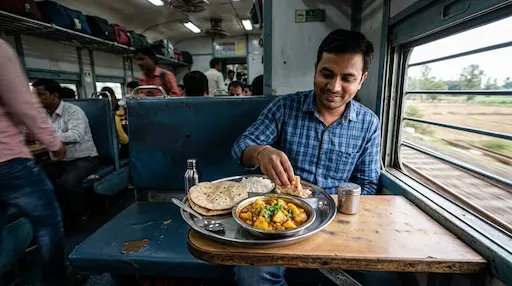
In this comprehensive guide, we will break down the history, essential ingredients, and exact culinary techniques required to recreate this legendary station-style dish in your own kitchen. Whether you are hosting a weekend brunch or seeking ultimate comfort food, mastering this recipe transforms simple pantry staples into an extraordinary dining experience.
Unlike rich cream-laden curries, railway-style dishes were designed for function, consistency, and widespread appeal. The use of crushed fennel seeds, black cardamom, and tangy amchur (dry mango powder) created a distinct flavor profile that felt comforting yet complex. Furthermore, platform vendors served these piping-hot potato curries in eco-friendly leaf bowls, elevating a humble meal into a cherished cultural ritual.
“Railway cuisine represents one of the most influential chapters of Indian food history, engineered for portability, deep flavor, and universal appeal across diverse regions.” — Culinary Historians Review
As a result, home cooks today can tap into this rich heritage by using traditional tempering methods and rustic potato-smashing techniques that define authentic station food.
Let us examine the core components used by expert cooks:
- The Potato Base: 400 grams of firm boiling potatoes, boiled until fork-tender and coarsely hand-mashed.
- The Tomato Foundation: 3 fresh tomatoes pureed into a smooth, vibrant base that adds natural body.
- The Whole Spice Blend: 1 black cardamom, 2 bay leaves, 4 whole black peppers, and crushed coriander, fennel, and cumin seeds.
- The Tangy Element: 1 teaspoon of dry mango powder (amchur) to provide that signature platform-style sharpness.
- The Aromatic Finish: Finely minced ginger, green chillies, and a generous sprinkle of dried fenugreek leaves (kasuri methi).
Each ingredient contributes a specific chemical reaction when heated, ensuring the final curry achieves the iconic glossy, semi-thick consistency.
| Culinary Attribute | Standard Home-Style Aloo | Railway-Wali-Aloo-Ki-Sabji |
|---|---|---|
| Flavor Profile | Mild turmeric and cumin dominance | Complex layers of fennel, black cardamom, and tangy amchur |
| Texture & Consistency | Clear watery broth with uniform potato cubes | Semi-thick, velvety gravy with hand-crushed rustic potato chunks |
| Cooking Technique | Quick boiling with standard seasoning | Tempering whole crushed seeds and slow-simmering tomato puree |
Consequently, investing twenty-five minutes into this specialized technique transforms an ordinary weekday meal into a nostalgic feast.
Phase 1: Boiling and Crushing the Potatoes
First, boil your potatoes until they are completely cooked through. Peel them while warm, and instead of cutting them into neat cubes, use your hands to roughly break them into uneven chunks. This irregular texture allows the starch to naturally thicken the gravy as it simmers.
Phase 2: Tempering the Whole Spices
Next, heat oil and a touch of ghee in a heavy-bottomed pan over medium heat. Splutter your black cardamom, bay leaves, whole black pepper, and freshly crushed coriander-fennel-cumin seed mix. Let the spices release their essential oils into the fat without burning.
Phase 3: Simmering the Gravy
Add the pureed tomatoes, turmeric powder, and Kashmiri chilli powder, cooking until the oil separates from the edges. Toss in your hand-crushed potatoes, pour in warm water to achieve a fluid consistency, and let the mixture simmer gently for ten to fifteen minutes so the flavors meld deeply.
“The secret to a great station-style potato curry lies in crushing the potatoes unevenly, which releases starch and creates a naturally glossy gravy.” — Expert Cooking Guide
For additional culinary insights and global comfort food inspirations, you can explore expert cooking tutorials on Ranveer Brar Official Recipe Archives for authentic regional cooking techniques.
Conversely, if the curry thickens too much while resting, stir in a couple of tablespoons of warm water and reheat gently. Always finish the dish with a crushing of kasuri methi and fresh coriander leaves right before serving. Pair this piping-hot curry with crispy puffed puris, hot parathas, or traditional bedmi kachoris for an authentic weekend breakfast experience.
Can I make railway-wali-aloo-ki-sabji without onion and garlic?
Yes, traditional temple and many station-style versions are prepared completely without onion and garlic, relying entirely on whole spices, hing, and tomatoes for deep flavor.
What makes railway-style aloo sabji different from regular potato curry?
The primary difference is the use of freshly crushed fennel and coriander seeds combined with amchur, which creates a distinct tangy and aromatic profile characteristic of platform food.
How do I achieve the perfect gravy consistency?
Hand-crushing the boiled potatoes instead of dicing them ensures that the starch releases into the tomato broth, creating a naturally velvety and cohesive texture.