

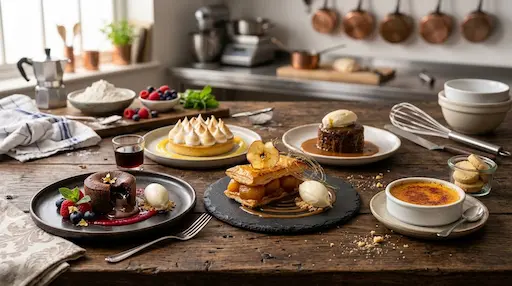
Stepping up your baking game requires more than just following a standard cookbook; it demands an understanding of precision, texture, and flavor balance. When exploring even-more-desserts-with-gordon-ramsay, home bakers unlock professional techniques that transform simple ingredients into Michelin-star-worthy masterpieces. Whether you are aiming for a molten chocolate fondant that oozes perfection or a silky, wobble-tested panna cotta, mastering these methods elevates your culinary confidence immediately.
Professional kitchens operate on strict discipline, but home baking should remain an enjoyable, creative escape. However, bridging the gap between amateur errors and restaurant-quality results requires learning the underlying science of sugar, fat, and heat. Therefore, let us dive deep into the essential tips, structural rules, and secret workflows that define world-class pastry artistry.
Deconstructing the Masterclass Philosophy
Gordon Ramsay’s culinary philosophy emphasizes respect for ingredients and rigorous execution. When tackling advanced sweets, small deviations in measurements can completely alter the structural integrity of your bake. For instance, whipping egg whites for a soufflé requires absolute bowl cleanliness to prevent residual oils from deflating your rise.
In addition, understanding temperature control is what separates an ordinary dessert from an extraordinary one. As a result, professional bakers rely heavily on digital thermometers and precise oven calibration rather than guessing game timings. Implementing these rigorous standards ensures your creations hold their shape and deliver maximum flavor impact.
- Precision Weighing: Use metric measurements for baking to maintain consistent flour-to-liquid ratios.
- Temperature Discipline: Allow dairy and eggs to reach room temperature before mixing emulsions.
- Patience in Cooling: Never rush setting times for custards, gelatin-based mousses, or chocolate tortes.
“Desserts are pure pleasure. Because they can be frivolous, it helps to master a few easy classics like roasted fruits, smooth chocolate ganache, and light crumbles before tackling complex structures.” — Gordon Ramsay Academy Culinary Guide
For additional inspiration on professional baking standards, you can explore the official Gordon Ramsay Restaurants Recipe Archive to review expert-tested home formulations.
Essential Equipment for Elite Home Baking
You cannot build a house without proper tools, and the same rule applies to elite pastry arts. Investing in a few foundational kitchen instruments instantly minimizes common baking mistakes like burnt bottoms, uneven layers, or split custards.
Furthermore, having the right gear allows you to execute delicate techniques such as folding heavy batters without knocking out trapped air pockets. Let us examine a quick breakdown of must-have items compared to optional luxury tools.
| Equipment Type | Standard Kitchen Tool | Pro-Grade Upgrade |
|---|---|---|
| Measurement | Liquid measuring cups | Digital kitchen scale (grams) |
| Mixing | Plastic bowls | Heavy-duty stainless steel bowls |
| Baking Vessels | Thin aluminum sheet pans | Cast-iron or heavy-bottomed Dutch ovens |
| Temperature | Mechanical oven dial | Instant-read digital probe thermometer |
By upgrading these core tools, home cooks experience significantly fewer baking disasters. In fact, many professional pastry chefs note that equipment reliability accounts for half of a dish’s ultimate success.
Mastering Textures: From Soufflés to Panna Cottas
Texture is the ultimate signature of a great dessert. When looking at even-more-desserts-with-gordon-ramsay collections, you will notice a heavy emphasis on textural contrast—pairing silky custards with crisp crumbles or rich molten cores with chilled cream.
For example, a successful panna cotta requires just enough gelatin to hold a gentle, sensual wobble without turning rubbery. Similarly, chocolate fondants depend on exact baking times to cook the outer cake shell while leaving the center completely fluid.
- Calibrate Your Oven: Verify your true oven temperature with an independent hanging thermometer.
- Prep Ramekins Thoroughly: Butter ramekins upward in vertical strokes and coat with sugar for soufflés.
- Control Heat Transitions: Never boil dairy mixtures containing eggs to prevent curdling.
- Chill Patiently: Allow mousses and gelees at least four hours to set undisturbed in the refrigerator.
“Properly reducing ingredients and respecting structural boundaries is the secret to achieving that rich, luxurious mouthfeel without relying on artificial thickeners.” — Masterclass Culinary Insights
To watch step-by-step video demonstrations of these advanced techniques in action, you can view curated tutorials on platforms like the Official Gordon Ramsay YouTube Channel.
Common Baking Pitfalls and How to Avoid Them
Even seasoned home cooks encounter frustrating obstacles when attempting advanced dessert recipes. Recognizing these warning signs early allows you to salvage your prep work before it goes to waste.
- Deflated Soufflé: Usually caused by opening the oven door too early or over-whipping the meringue. Keep the door shut until the final two minutes.
- Split Ganache: Occurs when chocolate meets liquid that is too hot. Fix this by whisking in a single tablespoon of warm milk vigorously.
- Rubbery Panna Cotta: Too much gelatin was added. Reduce your gelling agent slightly and ensure accurate liquid measurement next time.
Frequently Asked Questions
What is the secret to a perfect molten chocolate fondant?
The secret lies in precise baking time and high oven heat. The exterior must cook into a stable cake structure while the center remains raw and fluid.
Can I prepare Gordon Ramsay style desserts ahead of time?
Yes, many desserts like panna cotta, chocolate truffles, and trifles actually benefit from being made in advance and chilled thoroughly.
Why do professional bakers use kitchen scales instead of cups?
Weight measurements are vastly more accurate than volume measurements, ensuring consistent flour and sugar ratios every single time.
How do I prevent my soufflé from collapsing?
Butter your ramekins using upward vertical brush strokes, coat them with sugar, and avoid opening the oven door during the initial baking phase.
Conclusion and Next Steps
Mastering elite dessert preparation elevates your home cooking from routine meal preparation into true culinary artistry. By adopting professional precision, investing in proper tools, and respecting ingredient science, you can recreate world-class sweets with total confidence.
Are you ready to transform your kitchen into a professional pastry workshop? Gather your digital scales, pre-heat your ovens, and start your baking adventure today!