

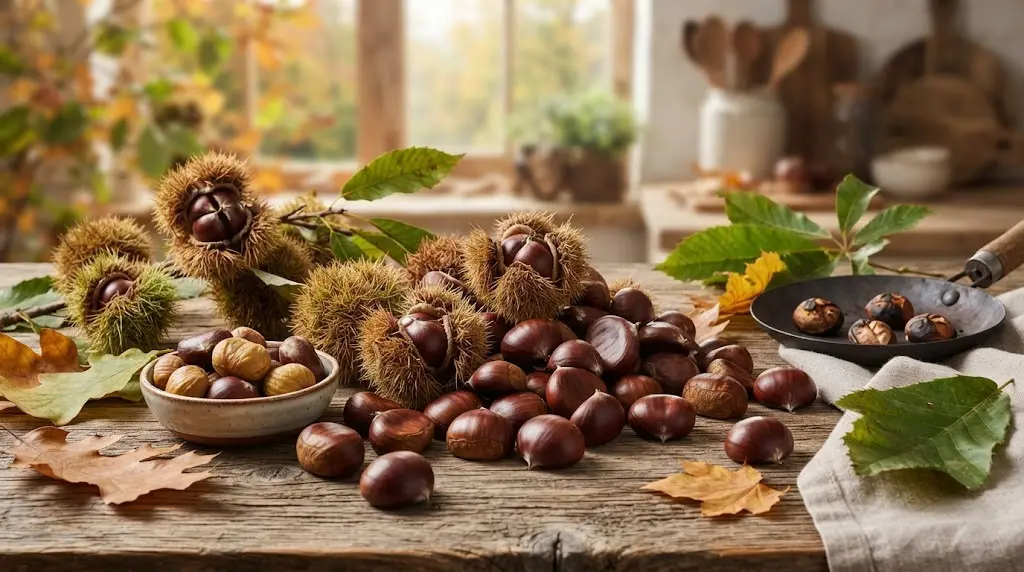
When the temperature drops and the holidays approach, the scent of roasting nuts often fills the air, signaling the arrival of the season’s favorite treat. However, the benefits of chestnut extend far beyond their nostalgic role in holiday traditions. Unlike most nuts, which are typically high in fat, these unique, starch-rich treasures provide a powerhouse of nutrients that can significantly impact your long-term wellness. Whether you are looking to boost your heart health or simply want a more satisfying, fiber-packed snack, chestnuts offer an underrated culinary and medicinal profile that science is only beginning to fully appreciate.
What Makes Chestnuts Nutritionally Unique?
To understand why chestnuts are a nutritional anomaly, we must look at their composition. Most common nuts like walnuts or almonds are prized for their healthy fats. Chestnuts, however, are dominated by complex carbohydrates and dietary fiber. This unique macronutrient profile makes them more comparable to whole grains than to typical tree nuts, yet they remain entirely gluten-free, making them an excellent choice for those with celiac disease or gluten sensitivity.
A standard 84-gram serving of roasted chestnuts is packed with impressive micronutrients. They provide substantial amounts of copper, manganese, and vitamin B6. These aren’t just empty calories; they are functional components that support your body’s internal systems, from energy production to collagen synthesis. Research published by Healthline confirms that these nutrients contribute to everything from improved digestion to enhanced immune function.
“Despite being higher in carbs than most nuts, chestnuts are a good source of fiber that can help prevent blood sugar spikes. In addition, research has shown that chestnut antioxidants, such as gallic and ellagic acid, help manage blood sugar levels and may improve insulin sensitivity.”
Key Nutritional Profile (Per 84g Serving)
| Nutrient | Amount | % Daily Value (Approx) |
|---|---|---|
| Fiber | 4.3g | 15% |
| Copper | 0.4mg | 47% |
| Manganese | 0.9mg | 43% |
| Vitamin B6 | 0.4mg | 25% |
| Vitamin C | 14.4mg | 24% |
The Antioxidant Powerhouse
Inflammation is the root cause of many chronic diseases, and the antioxidants found in chestnuts act as a frontline defense. These nuts are remarkably rich in gallic acid and ellagic acid, two polyphenols known for their ability to neutralize free radicals. By reducing oxidative stress, these compounds help protect your cells from damage that could otherwise lead to cardiovascular disease or neurodegenerative conditions.
Furthermore, the vitamin C content in chestnuts—which is somewhat rare for a nut—plays a crucial role in skin health and collagen production. Regular consumption of foods rich in these antioxidants can support your immune system, helping your body stay resilient throughout the changing seasons. When you choose to snack on chestnuts, you are essentially providing your body with a protective layer against environmental stressors.
Supporting Cardiovascular and Digestive Health
One of the most profound benefits of chestnut consumption is the positive impact on heart health. Because they are low in fat and high in potassium, chestnuts help regulate blood pressure and support proper circulation. Potassium is essential for maintaining a steady heartbeat and lowering the strain on your arterial walls, which is a key factor in stroke prevention.
In addition to cardiovascular support, your digestive system thrives on the high fiber content provided by these nuts. Fiber is often overlooked, yet it is the primary fuel for your gut microbiome. As a prebiotic, the fiber in chestnuts encourages the growth of beneficial gut bacteria. This doesn’t just keep you “regular”; it also helps maintain a balanced internal ecosystem, which is linked to better mood, energy levels, and nutrient absorption.
“Studies have shown that chestnut antioxidants, such as gallic and ellagic acid, may help lower the risk of heart disease, reduce insulin resistance, and suppress the growth and spread of tumors.”
Blood Sugar Management
For individuals concerned about blood sugar, the glycemic index (GI) of a food is a critical factor. Chestnuts have a relatively low glycemic index, meaning they cause a slower, more gradual release of glucose into the bloodstream. Unlike refined snacks that cause rapid spikes and crashes in energy, the complex carbohydrates in chestnuts provide a steady, reliable source of fuel for your daily activities.
The combination of fiber and protein in chestnuts works synergistically to improve insulin sensitivity. This makes them a smart snacking choice for those who are pre-diabetic or simply trying to avoid the lethargy that follows a high-sugar meal. By stabilizing your energy levels, you are also less likely to reach for unhealthy, processed alternatives later in the day.
Potential Anticancer Properties
While more clinical research is needed, early lab-based studies have shown promising results regarding the role of chestnuts in cancer prevention. Extracts from these nuts have been observed suppressing the growth of various cancer cells, including those related to breast, prostate, and colon cancers. The specific phenolic compounds in chestnuts, particularly ellagic acid, appear to target signaling pathways that regulate cell growth and survival.
While this does not mean that chestnuts are a “cure” for disease, it highlights the importance of incorporating these nutrient-dense foods into a varied, plant-forward diet. Protecting your body at the cellular level is a long-term game, and chestnuts are an excellent player to have on your team.
Integrating Chestnuts into Your Daily Diet
Now that you are aware of the many benefits of chestnut, you might be wondering how to include them in your meals. They are incredibly versatile. You can roast them for a classic snack, incorporate them into stuffing, blend them into soups for a creamy texture, or even use chestnut flour in gluten-free baking. Because they have a slightly sweet, earthy flavor, they complement both savory and sweet dishes beautifully.
Always remember that freshness counts. Choose chestnuts that feel heavy for their size and have a shiny, unblemished shell. If you are new to preparing them, a simple score on the shell before roasting is all it takes to enjoy this nutrient-packed superfood. You can find more cooking tips at PMC to get started with your culinary experiments.
Frequently Asked Questions
Are chestnuts high in fat like other nuts?
No, chestnuts are significantly lower in fat than most other tree nuts. They are primarily composed of carbohydrates and fiber, making them more nutritionally similar to a whole grain or a starchy vegetable.
Can people with diabetes eat chestnuts?
Yes, because chestnuts have a low glycemic index and are rich in fiber, they can be a great addition to a diabetes-friendly diet. They provide a steady release of glucose and can help improve insulin sensitivity.
Are chestnuts gluten-free?
Absolutely. Chestnuts are naturally gluten-free, which makes them an excellent ingredient for those with celiac disease or non-celiac gluten sensitivity looking for alternatives in their baking.
How should I store chestnuts?
Fresh chestnuts have a high moisture content and should be stored in the refrigerator in a perforated bag. They are best consumed within a few weeks of purchase to ensure the best flavor and texture.
Conclusion
The benefits of chestnut are truly multifaceted. By offering a unique blend of fiber, essential minerals, and powerful antioxidants, they provide a compelling reason to look beyond the typical snack aisle. Whether you are focusing on heart health, weight management, or simply diversifying your nutrient intake, this ancient food source is a modern-day superfood that is as delicious as it is healthy.
Start incorporating chestnuts into your favorite recipes today and experience the difference for yourself. From adding roasted kernels to your morning salads to baking with chestnut flour, the possibilities are endless. Grab a bag on your next grocery trip and nourish your body with one of nature’s most balanced and versatile snacks.