

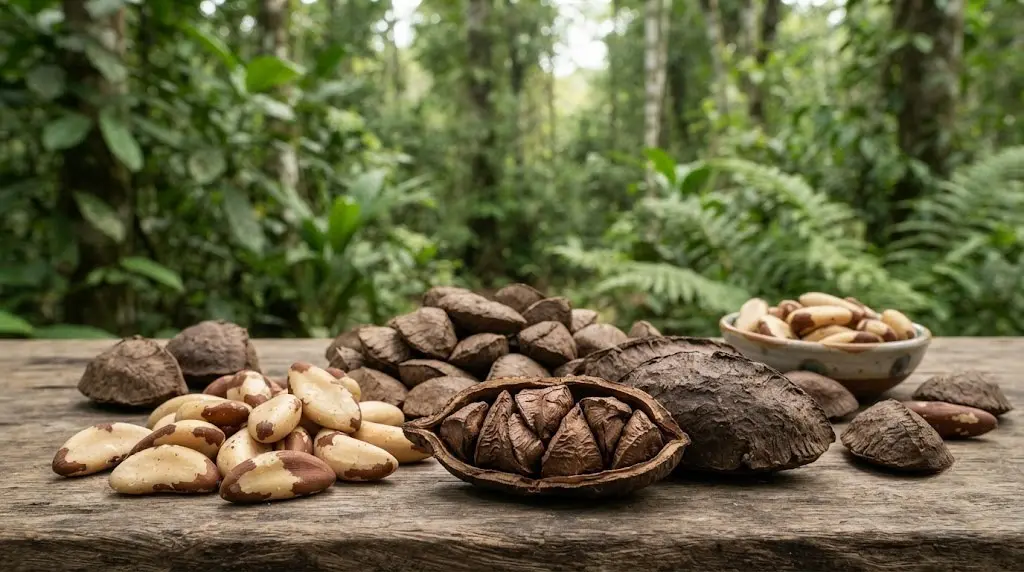
If you are looking for a simple, nutrient-dense addition to your daily routine, look no further than the mighty benefits of Brazil nut intake. These large, creamy seeds—harvested from the towering trees of the Amazon rainforest—are far more than just a snack; they are a nutritional powerhouse. With just one or two nuts providing a massive dose of essential minerals, they have earned their reputation as a must-have superfood for anyone interested in optimizing their health.
While many people overlook them in favor of more common snacks like almonds or walnuts, the Brazil nut offers a unique profile that is difficult to replicate. From supporting your thyroid gland to fighting off oxidative stress, the biological impact of this nut is profound. However, because they are so potent, understanding how to incorporate them safely is key. In this article, we explore the science behind these Amazonian gems and how they can elevate your wellness.
The Selenium Superstar: A Nutritional Breakdown
The primary reason the benefits of Brazil nut consumption are so frequently cited in nutritional science is their unrivaled selenium content. Selenium is a critical trace mineral that the body cannot produce on its own. While you can find selenium in various foods, few sources can compete with the concentration found in a single Brazil nut.
Depending on the soil conditions in the Amazonian regions where they grow, a single nut can contain anywhere from 50 to 100 micrograms of selenium. Given that the recommended daily intake for an average adult is roughly 55 micrograms, eating just one or two nuts often exceeds your entire daily requirement. This makes them a highly efficient, natural alternative to synthetic supplements.
| Nutrient | Amount (per 1-ounce serving) |
|---|---|
| Selenium | ~989% of DV |
| Protein | 4.1 grams |
| Magnesium | 25% of DV |
| Copper | 55% of DV |
| Fiber | 2.1 grams |
Beyond selenium, these nuts are packed with healthy monounsaturated and polyunsaturated fats, which are essential for cardiovascular health. They also provide a solid dose of magnesium, copper, and zinc, making them a well-rounded addition to any balanced diet. For more details on nutritional requirements, you can check out resources from the National Institutes of Health (NIH) regarding trace minerals.
Thyroid Health and Hormone Regulation
Your thyroid gland is essentially the engine of your metabolism, and it contains the highest concentration of selenium of any organ in your body. This mineral is vital for the production of thyroid hormones. Specifically, it assists in the conversion of thyroxine (T4) into its active form, triiodothyronine (T3).
“Selenium is necessary for healthy thyroid function. Getting enough selenium in your diet can help to reduce your risk of Hashimoto’s disease, Graves’ disease, and thyroid cancer.” — WebMD
By maintaining optimal selenium levels through diet, you can support your body’s ability to regulate metabolism, energy production, and temperature. For individuals who struggle with mild thyroid imbalances, regular but controlled intake of Brazil nuts may provide a significant layer of support. However, always consult with your physician before using them as a therapeutic intervention for diagnosed thyroid disorders.
Fighting Inflammation and Oxidative Stress
Oxidative stress occurs when there is an imbalance between free radicals and antioxidants in your body. Left unchecked, this stress leads to chronic inflammation, which is a root cause of many modern health issues, including heart disease and diabetes. The antioxidants found in Brazil nuts, such as vitamin E and phenols, work in tandem with selenium to neutralize these harmful free radicals.
Research published by Medical News Today highlights that selenium-rich foods help boost the production of glutathione peroxidase, an enzyme that protects your cells from damage. By reducing markers of inflammation like C-reactive protein, Brazil nuts act as a natural defense system against the cellular wear and tear that occurs during aging.
Heart Health and Cardiovascular Support
Can a nut really protect your heart? The evidence is compelling. Brazil nuts are rich in unsaturated fats, which are well-documented for their ability to improve blood cholesterol levels. Specifically, the polyunsaturated fats found in these nuts can help raise high-density lipoprotein (HDL), or “good” cholesterol, while potentially lowering the risk of cardiovascular events.
“The findings of a 2025 research review and analysis suggests that higher consumption of nuts decreases the risk of cardiovascular disease and all-cause mortality.” — Medical News Today
Furthermore, the dietary fiber found in the nut helps improve overall lipid profiles. When incorporated into a heart-healthy diet that emphasizes whole foods, Brazil nuts offer a protective boost that goes beyond basic nutrition. They are a classic example of how a “food as medicine” approach can support long-term wellness.
Important Considerations: The Risk of Overconsumption
While the benefits of Brazil nut intake are numerous, there is a clear “too much of a good thing” threshold. Because their selenium content is so high, consuming large amounts can lead to selenosis—a form of selenium toxicity. Symptoms of toxicity include gastrointestinal distress, brittle nails, hair loss, and in extreme cases, nerve pain.
Most nutrition experts recommend a limit of 1 to 3 nuts per day. This amount is sufficient to reap the metabolic and antioxidant rewards without risking toxicity. Because selenium content can vary significantly based on the soil in which the tree grows, staying on the lower end of that range is a safe, responsible choice for most adults.
Frequently Asked Questions
How many Brazil nuts should I eat a day?
To safely gain the health benefits without risking selenium toxicity, experts suggest limiting your intake to one to three nuts per day.
Can eating Brazil nuts help lower my cholesterol?
Yes, the healthy fats and fiber in Brazil nuts may help improve blood lipid profiles, supporting better cardiovascular health when eaten in moderation.
Are there any risks to eating too many Brazil nuts?
Yes, eating an excessive amount can lead to selenosis, which causes symptoms like nausea, hair loss, brittle nails, and joint pain due to high selenium levels.
Can children eat Brazil nuts?
While safe in small amounts, it is best to consult with a pediatrician. Their smaller body mass means they reach the upper intake limits for selenium much faster than adults.
Conclusion
Incorporating the benefits of Brazil nut consumption into your lifestyle is an incredibly simple way to upgrade your nutritional intake. By providing a natural, powerful dose of selenium, these nuts support your thyroid, heart, and brain, while fighting the systemic inflammation that impacts so many aspects of our health.
Remember, consistency is far more important than quantity. You do not need to eat a bowlful to see results; one or two a day is the “sweet spot” for most people. If you are ready to give your body the selenium boost it deserves, pick up a bag of raw, unsalted Brazil nuts during your next grocery trip. Your metabolism and immune system will thank you.