

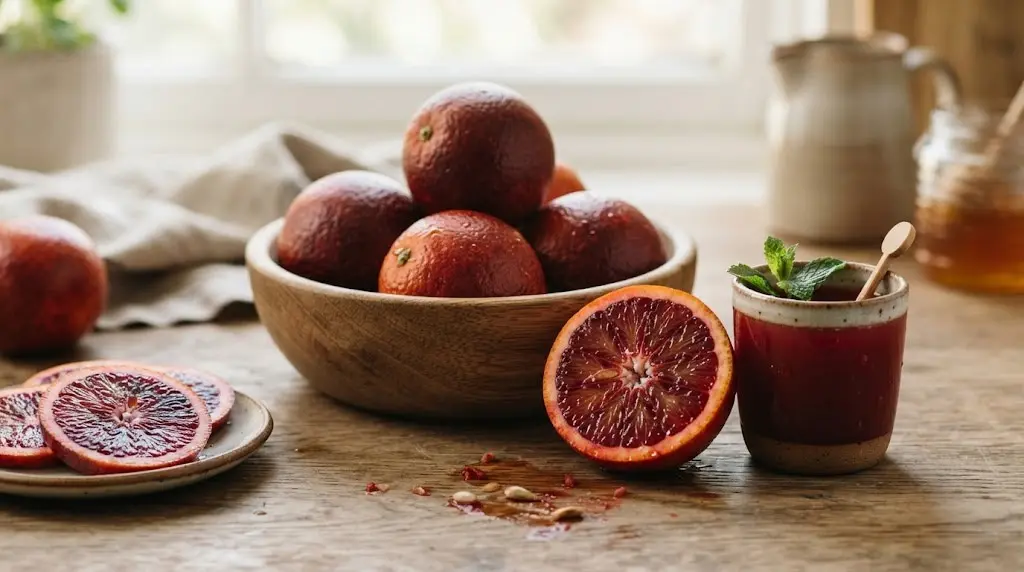
When you slice open a blood orange, the vibrant, deep crimson flesh is an immediate visual stunner. Beyond their dramatic appearance and sweet-tart flavor profile, blood orange benefits extend far deeper into your physiological health. These citrus powerhouses are not just a seasonal treat; they are a concentrated source of specialized antioxidants and essential micronutrients that can elevate your daily wellness routine.
While many people reach for standard navel or Valencia oranges for their Vitamin C, those who choose blood oranges are tapping into a unique nutritional goldmine. Whether you are looking to support your cardiovascular system, improve your skin’s resilience, or simply find a fiber-rich snack, this fruit offers a compelling argument for its place in your grocery cart.
What Sets Blood Oranges Apart?
The defining characteristic of the blood orange is its internal color. Unlike standard oranges, blood oranges contain high levels of anthocyanins—the same class of pigments responsible for the deep hues in blueberries, blackberries, and pomegranates. These compounds are a type of flavonoid that provides significant antioxidant protection.
It is important to understand that these fruits develop their signature color based on their environment. They typically require a distinct temperature fluctuation—warm days followed by cool nights—to trigger the production of these anthocyanins. This process gives them a nutritional profile that is arguably superior to their lighter-fleshed counterparts.
“It is the anthocyanins that differentiate blood oranges from regular oranges. These specific antioxidants give blood oranges their reddish color and protect against free radicals in the body.” — Blood Orange Wellness Guide
The Nutritional Powerhouse: Why Your Body Needs Them
To truly appreciate the health advantages, we must look at the data. A medium-sized blood orange is remarkably efficient, providing a significant nutrient load for relatively few calories. It serves as an excellent source of essential vitamins and minerals that keep your body functioning at its peak.
Key Nutritional Profile
- Vitamin C: Crucial for immune defense and collagen synthesis.
- Fiber: Essential for digestive regularity and satiety.
- Anthocyanins: Powerful antioxidants that fight cellular oxidation.
- Potassium: Supports heart health and fluid balance.
- Folate (Vitamin B9): Important for DNA synthesis and cell division.
When you consume a blood orange, you are doing more than just satisfying a sugar craving. You are feeding your body compounds that have been linked to reduced oxidative stress and lower risks of chronic disease.
Anthocyanins and Cardiovascular Health
Perhaps the most compelling area of research involves how anthocyanins interact with your cardiovascular system. Studies have suggested that the regular intake of anthocyanin-rich foods can contribute to improved blood flow and reduced arterial inflammation.
For individuals concerned about heart health, blood oranges offer a natural, delicious way to increase flavonoid intake. Research published in clinical nutrition journals has indicated that these bioactive compounds may help neutralize harmful LDL cholesterol accumulation. By protecting blood vessels from oxidative damage, they support a healthier, more resilient circulatory system.
“The bioactive compounds present in citrus and red or blue fruits, such as blood oranges, have the potential to reduce vascular inflammation, thereby promoting smooth blood flow to the heart.” — Redbelly Citrus Heart Health Report
Nutritional Comparison: Blood Orange vs. Regular Orange
Many consumers wonder if the effort to find blood oranges is truly worth the potential price premium. The table below highlights how they stack up against the conventional orange varieties found in most supermarkets.
| Nutrient/Feature | Regular Orange | Blood Orange |
|---|---|---|
| Primary Antioxidants | Flavonoids (Hesperidin) | Anthocyanins + Hesperidin |
| Vitamin C Content | High | Very High (Concentrated) |
| Flesh Color | Bright Orange | Deep Crimson/Maroon |
| Flavor Profile | Sweet/Citrus | Sweet-Tart/Berry Undertones |
Boosting Your Immune Function
We often associate citrus fruits with immune support, and blood oranges are no exception. They contain high concentrations of Vitamin C, a vital micronutrient that the body cannot produce on its own. Because of this, regular dietary intake is essential.
Vitamin C acts as a catalyst for immune defense. It stimulates the production of white blood cells, which are your body’s primary defense line against infection. Furthermore, because blood oranges are rich in both Vitamin C and secondary antioxidants, they provide a multi-layered approach to fighting off seasonal colds and respiratory infections.
Skin Health and Anti-Aging Benefits
Do you want a natural way to support your skin’s glow? The antioxidants found in blood oranges, specifically those tasked with fighting free radicals, are excellent for dermatological health. Free radicals—often caused by UV radiation, pollution, and even stress—are a leading cause of premature skin aging and loss of elasticity.
By consuming anthocyanin-rich fruits, you provide your skin cells with the tools to defend against these oxidative stressors. Additionally, the high Vitamin C content is non-negotiable for collagen production. Collagen is the structural protein that keeps skin firm and youthful, and without sufficient Vitamin C, your body’s ability to synthesize it effectively is severely compromised.
Supporting Weight Management and Digestion
If you are looking for a snack that keeps you full without a calorie spike, the blood orange is a top-tier choice. With roughly 70 calories per medium fruit and nearly 3 grams of dietary fiber, it helps regulate your digestive system effectively.
Fiber is essential for slowing down digestion. When you eat a whole blood orange, the fiber helps stabilize your blood sugar levels, preventing the rapid insulin spikes associated with processed snacks. Furthermore, some studies indicate that citrus extracts containing these specific antioxidants may assist in metabolic health, making them a great addition to a balanced weight loss strategy.
How to Incorporate Blood Oranges Into Your Diet
The beauty of the blood orange lies in its culinary versatility. While it is perfect as a simple, peeled snack, its unique flavor profile—which often hints at raspberry or grapefruit—makes it a sophisticated ingredient for diverse recipes.
- Morning Smoothies: Blend them with kale or spinach to mask the bitterness of greens with a sweet-tart punch.
- Salad Toppings: Slice them thinly into citrus salads with fennel and feta for a professional-grade appetizer.
- Fresh Juicing: A glass of fresh blood orange juice is a vibrant alternative to standard orange juice and offers an aesthetic boost to your breakfast.
- Dessert Infusions: Use the juice to create glazes for cakes or as a refreshing base for sorbets.
Because they are seasonal, many people choose to stock up when they are at their peak. You can store them in the refrigerator crisper drawer for several weeks to maintain their freshness.
Frequently Asked Questions
Are blood oranges healthier than regular oranges?
While both are excellent sources of Vitamin C and fiber, blood oranges contain higher concentrations of anthocyanins. These antioxidants provide anti-inflammatory and cardiovascular benefits that are less prominent in regular navel or Valencia oranges.
Do blood oranges cause acid reflux?
Like all citrus fruits, blood oranges are acidic. If you suffer from severe GERD or chronic heartburn, you should consume them in moderation or monitor your reaction, as the acidity may trigger symptoms in sensitive individuals.
Why are blood oranges red?
They are red due to the presence of anthocyanins. These pigments are triggered by the specific climate conditions—specifically the contrast between cold nights and warm days—during the growing season.
Can I eat the peel of a blood orange?
You can use the zest for culinary purposes, but the peel itself is bitter and tough. Always wash the fruit thoroughly before zesting to ensure you are not consuming surface pesticides or waxes.
Conclusion
The blood orange is more than just a seasonal aesthetic; it is a nutritional powerhouse that deserves a place in your diet. By offering a potent mix of Vitamin C, fiber, and the unique, health-promoting anthocyanins, this citrus fruit supports everything from heart health and immune function to skin vitality.
If you have been looking for a simple, delicious, and science-backed way to improve your overall wellness, look for these crimson gems during their peak season. Ready to revitalize your daily nutrition? Visit our produce aisle or local organic market this week to experience the incredible blood orange benefits for yourself.