

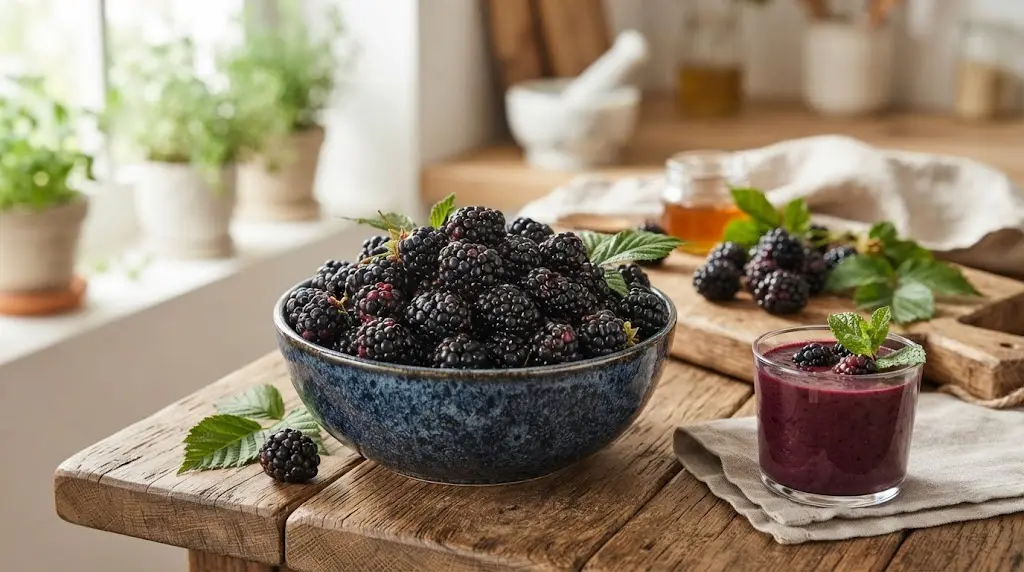
Have you ever wondered why these tiny, dark berries are heralded by nutritionists as a true superfood? The health benefits of blackberries go far beyond their sweet, tart flavor. Packed with essential vitamins, minerals, and potent antioxidants, these berries are one of the most accessible ways to upgrade your daily nutrition. Whether you enjoy them in a morning smoothie or as a fresh snack, integrating blackberries into your diet can have a profound impact on your overall well-being.
In this comprehensive guide, we explore the science-backed advantages of this dark, flavorful fruit. We will break down the nutritional profile, examine how they support specific body systems, and provide actionable tips for making them a staple in your kitchen.
Understanding the Nutritional Profile of Blackberries
Before diving into the specific health advantages, it is important to look at what is actually inside a serving of blackberries. According to data from the United States Department of Agriculture (USDA), a single cup of raw blackberries (approximately 144 grams) offers a significant nutrient density for relatively few calories.
Blackberries are an excellent source of dietary fiber, which is often lacking in the modern Western diet. Furthermore, they provide a generous amount of Vitamin C, Vitamin K, and Manganese. This combination of nutrients makes them a versatile addition to any dietary plan, whether you are managing blood sugar or simply looking for a vitamin boost.
| Nutrient | Amount | Daily Value (approx.) |
|---|---|---|
| Calories | 62 | – |
| Fiber | 7.6g | 31% |
| Vitamin C | 30.2mg | 34% |
| Vitamin K | 28.5mcg | 24% |
| Manganese | 0.9mg | 40% |
1. A Rich Source of Powerful Antioxidants
The deep, dark color of a blackberry is not just aesthetically pleasing—it is an indicator of its nutritional potency. This pigment comes from compounds called anthocyanins. These are a type of flavonoid that acts as a powerful antioxidant.
Antioxidants are critical for our health because they neutralize free radicals. Free radicals are unstable molecules that cause oxidative stress, which can lead to cellular damage and inflammation. By consuming foods high in anthocyanins, you provide your body with the tools it needs to fight this oxidative stress. Consequently, this helps lower the risk of chronic conditions such as cardiovascular disease and certain types of cancer.
“Blackberries are packed with powerful antioxidants such as anthocyanins, flavonoids, and vitamin C. These compounds help neutralize harmful free radicals in the body, reducing oxidative stress and lowering the risk of chronic diseases.”
2. Supporting Cognitive Function and Brain Health
One of the most exciting areas of research regarding berries involves their impact on the brain. As we age, our cognitive functions can naturally decline, often exacerbated by inflammation and oxidative damage in the brain. However, the polyphenols found in blackberries have been shown to potentially alter the way brain neurons communicate.
Studies suggest that consistent consumption of berry fruits can help reduce brain inflammation, which is directly linked to better memory and concentration. For those looking to maintain long-term mental clarity, incorporating blackberries into a regular diet may provide a protective buffer against age-related cognitive decline.
3. Promoting Heart Health and Blood Pressure Regulation
Heart disease remains a leading health concern globally, and dietary choices play a pivotal role in prevention. Blackberries contribute to heart health through a trifecta of benefits: fiber, potassium, and antioxidants. Fiber is particularly effective at managing cholesterol levels, specifically by reducing low-density lipoprotein (LDL), often referred to as “bad” cholesterol.
Moreover, the potassium content helps regulate blood pressure, while the anthocyanins improve blood vessel function. When blood vessels function efficiently and inflammation is kept in check, the overall strain on the cardiovascular system is significantly reduced. This makes blackberries an excellent snack for those proactively managing their heart health.
4. Enhancing Digestive Health and Regularity
If you struggle with digestive issues, the high fiber content of blackberries might be the solution you are looking for. A single cup provides nearly one-third of the recommended daily fiber intake. Fiber is essential for regularity, as it adds bulk to stool and helps food move through the digestive tract efficiently.
In addition to promoting regularity, fiber acts as a prebiotic. This means it feeds the “good” bacteria in your gut microbiome. A thriving gut microbiome is linked to improved immunity, better nutrient absorption, and even improved mood regulation. Therefore, eating blackberries is not just about physical digestion; it is about supporting your internal ecosystem.
5. Boosting Immune System Function
Vitamin C is perhaps the most well-known nutrient for immune support, and blackberries are a fantastic source. With approximately 34% of the daily value in just one cup, they provide a strong boost to the body’s natural defenses. Vitamin C is essential for the production of white blood cells, which are the frontline soldiers of our immune system.
Beyond just fighting infections, Vitamin C is integral to collagen formation. This means that besides keeping your immune system robust, blackberries contribute to healthy skin and faster wound healing. It is a dual-action benefit that helps you feel better and look better simultaneously.
Frequently Asked Questions
Are blackberries low in sugar for diabetics?
Yes, blackberries have a low glycemic index (GI) of approximately 25 and a very low glycemic load. Because they are rich in fiber, the sugar absorption is slowed, making them a safer fruit choice for individuals monitoring blood sugar levels compared to many other fruits.
Can eating too many blackberries have side effects?
While blackberries are highly nutritious, consuming them in excessive amounts could lead to digestive discomfort due to their high fiber content. For most people, a cup a day is perfectly healthy, but always listen to your body and maintain a balanced diet.
How can I best preserve the nutrients in blackberries?
To maximize nutrient retention, it is best to eat blackberries fresh. If you cannot eat them immediately, storing them in the refrigerator is fine. Freezing them also preserves their antioxidant properties, making them a great option for smoothies year-round.
Do blackberries help with weight management?
Because they are high in fiber and water content while being relatively low in calories, blackberries can help you feel fuller for longer. This satiety factor is extremely helpful for those aiming to manage or lose weight through dietary adjustments.
Conclusion: Start Adding Blackberries to Your Routine
In summary, the health benefits of blackberries are vast and well-supported by nutritional science. From their high fiber content that aids digestion to the powerful anthocyanins that support brain and heart health, these berries are an essential addition to any health-conscious diet. They are versatile, low-glycemic, and incredibly delicious.
If you are ready to start prioritizing your health, why not begin today? Try adding a handful of fresh blackberries to your breakfast yogurt, tossing them into a lunchtime salad, or simply enjoying them as a refreshing afternoon snack. Your body will thank you for the boost of antioxidants and essential vitamins. Start small, stay consistent, and reap the long-term benefits of this dark, flavorful superfood!