

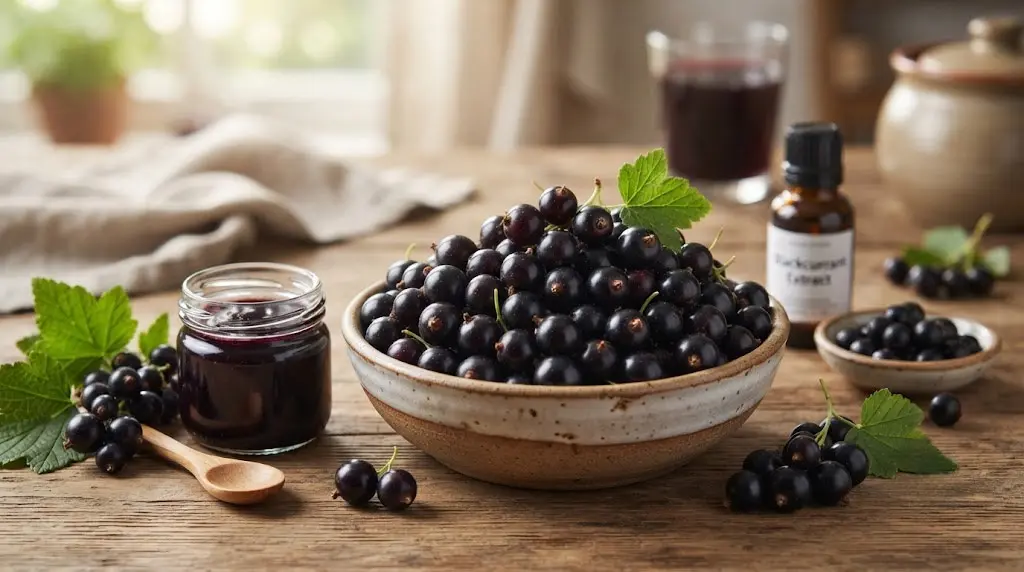
When searching for the ultimate superfood, many people overlook one of nature’s most potent berries. The benefits of blackcurrant fruit extend far beyond their tart, distinct flavor. Often eclipsed by trendier berries like blueberries or acai, blackcurrants (Ribes nigrum) pack a nutritional punch that is scientifically backed and incredibly versatile.
Whether you are looking to strengthen your immune system, improve your athletic recovery, or support your long-term cardiovascular health, this dark, glossy berry deserves a spot in your daily diet. In this article, we will explore the science-backed advantages of incorporating these nutrient-dense gems into your life.
What Makes Blackcurrant Fruit a Nutritional Powerhouse?
At the heart of the health benefits of blackcurrant fruit lies a unique profile of bioactive compounds. These berries are not just delicious; they are dense with vitamins, minerals, and polyphenols. One of their most impressive qualities is their incredibly high concentration of Vitamin C—often containing nearly three times the amount found in oranges.
Beyond Vitamin C, these berries provide a rich supply of anthocyanins. These are the pigments responsible for their deep purple, almost black hue. Research suggests that anthocyanins act as powerful antioxidants, protecting the body’s cells from oxidative stress. Additionally, blackcurrants contain gamma-linolenic acid (GLA), a rare and beneficial type of omega-6 fatty acid rarely found in other berries.
“Black currants are rich in antioxidants and contain several nutrients, such as polyphenolic substances, anthocyanin, and gamma-linolenic acid (GLA), which contribute to their unique health-promoting profile.”
1. Superior Immune System Support
Maintaining a resilient immune system is a priority for everyone, especially during colder months. The high Vitamin C content in blackcurrants provides essential support for your body’s natural defense mechanisms. Vitamin C promotes white blood cell production, which is crucial for fighting off pathogens.
However, the immune-boosting properties go deeper than just vitamins. The anthocyanins found in blackcurrants have been shown to help soothe inflammation and support respiratory health. By reducing systemic inflammation, your body can focus its energy on maintaining peak performance rather than managing chronic stress.
2. Enhancing Eye Health and Vision
In our digital age, eye strain is a common complaint. Many people spend hours staring at screens, which can lead to fatigue and long-term ocular stress. Scientific research indicates that the benefits of blackcurrant fruit may specifically address this issue. Studies have shown that anthocyanins can increase blood flow to the optic nerve and the retina.
For instance, researchers at Sapporo Medical University conducted a notable study on patients with open-angle glaucoma. The study found that those who supplemented with blackcurrant anthocyanins experienced less deterioration in their visual field over 24 months compared to the placebo group. While this is not a cure for eye disease, it highlights the potential for these berries to support healthy ocular circulation.
3. Boosting Exercise Performance and Recovery
If you are an athlete or simply enjoy high-intensity training, you know that recovery is just as important as the workout itself. Oxidative stress from intense exercise causes muscle fatigue and soreness. The potent antioxidant properties of blackcurrants help mitigate this damage.
Recent exploratory studies suggest that blackcurrant extract may improve high-intensity intermittent running performance. By helping the body manage blood lactate levels more efficiently, these berries allow for better endurance. Many athletes now use blackcurrant concentrates to reduce the post-workout inflammation that typically leads to delayed onset muscle soreness (DOMS).
Nutritional Comparison: Blackcurrants vs. Other Berries
| Nutrient | Blackcurrants (per 100g) | Blueberries (per 100g) |
|---|---|---|
| Vitamin C | ~181 mg | ~9.7 mg |
| Anthocyanins | Very High | Moderate |
| Potassium | 322 mg | 77 mg |
| Glycemic Index | Low (22) | Low (53) |
*Note: Nutrient values can vary based on growing conditions and specific cultivars.
4. Supporting Heart Health and Circulation
Cardiovascular health relies on a delicate balance of blood pressure, cholesterol management, and arterial elasticity. Blackcurrants are naturally high in potassium, a mineral that acts as a vasodilator, helping to relax the blood vessels and reduce blood pressure. This allows blood to circulate more efficiently throughout the body.
Furthermore, the polyphenols found in these berries have been linked to improved lipid profiles. By assisting in the regulation of cholesterol levels, blackcurrants contribute to a holistic strategy for heart disease prevention. Clinical research confirms that consistent intake of these nutrient-dense fruits supports healthy blood pressure levels in both normotensive and hypertensive individuals.
“Black currants are rich in potassium and anthocyanins, both of which play an important role in supporting healthy blood pressure and vessel elasticity. This encourages more efficient circulation throughout your body.”
5. Anti-Aging and Skin Health Benefits
The quest for healthy skin often leads to expensive serums and treatments, but nutrition is the foundation of skin health. The antioxidants in blackcurrants combat free radicals that cause premature aging. These free radicals damage collagen—the protein responsible for skin elasticity and firmness.
The presence of GLA in blackcurrant seed oil is another significant advantage. GLA is renowned for its ability to reduce skin redness, irritation, and inflammation. When consumed regularly, the combined effects of Vitamin C and GLA can help maintain a radiant, youthful complexion from the inside out.
6. Blood Sugar Management
For those managing insulin sensitivity or trying to maintain stable energy levels throughout the day, blackcurrants are an excellent choice. They possess a low glycemic index, meaning they do not cause the rapid spikes in blood sugar associated with high-sugar fruits or processed snacks.
Additionally, the fiber content in blackcurrants slows down digestion and sugar absorption. This consistent, slow release of energy helps prevent the “afternoon crash.” By stabilizing blood glucose, you are less likely to experience intense cravings for sugary, processed foods, making it easier to stick to your health goals.
7. Digestive Health and Microbiome Support
A healthy gut is essential for overall well-being, and blackcurrants contribute to this by providing both soluble and insoluble fiber. These fibers act as prebiotics—fuel for the beneficial bacteria living in your gut. A diverse and thriving microbiome is linked to improved digestion, enhanced immunity, and even better mental health.
Furthermore, the polyphenols in these berries can help balance the gut environment. When you regularly include high-fiber, polyphenol-rich fruits like blackcurrants in your diet, you support a digestive system that operates smoothly and efficiently.
“Digestive health is about supporting your microbiome, not just increasing fiber. Black currants offer both soluble and insoluble fiber, plus an impressive array of polyphenols that feed beneficial gut bacteria.”
How to Incorporate Blackcurrants into Your Daily Routine
You might be wondering how to start enjoying the benefits of blackcurrant fruit, especially if they aren’t common in your local grocery produce aisle. Fortunately, these berries are versatile and available in many forms. You can find them frozen, dried, or as high-quality juice concentrates.
Try adding a handful of dried blackcurrants to your morning oatmeal or yogurt. If you prefer a drinkable option, consider a natural blackcurrant concentrate diluted in water for a refreshing, antioxidant-rich beverage. Because of their tart profile, they also make a fantastic addition to savory sauces for roasted meats or as a tangy topping for salads.
Frequently Asked Questions
Are there any side effects to eating blackcurrants?
For most people, blackcurrants are completely safe. However, excessive consumption of supplements or extracts may cause mild digestive issues like soft stools or gas. If you have bleeding disorders or are preparing for surgery, consult your doctor, as blackcurrant supplements may affect blood clotting.
Can blackcurrants help with weight loss?
While no fruit is a “magic pill” for weight loss, blackcurrants are an excellent tool. They are low in calories, high in fiber, and help stabilize blood sugar levels, which can reduce cravings and keep you full longer.
How much should I eat daily to see benefits?
While there is no strict medical requirement, studies often use amounts equivalent to 80g of fresh berries or a small glass of concentrated juice daily. Moderation is key to enjoying their nutritional advantages without overdoing sugar intake.
Are frozen blackcurrants as healthy as fresh ones?
Yes. Blackcurrants are typically flash-frozen shortly after harvest, which preserves their nutrient profile and antioxidant levels effectively. They are often just as healthy—if not more so—than “fresh” fruit that has traveled long distances.
Conclusion: A Small Berry with a Big Impact
The benefits of blackcurrant fruit are clear. From their unrivaled Vitamin C content to their ability to support eye health, heart function, and athletic recovery, these small berries are true nutritional powerhouses. By integrating them into your daily diet, you are choosing to fuel your body with some of nature’s most effective defense compounds.
Don’t wait for your next doctor’s visit to start prioritizing your health. Begin by making small, consistent changes today. Whether you choose fresh, frozen, or concentrated forms, start reaping the rewards of this extraordinary superfood. Grab a bag of blackcurrants on your next grocery run and experience the difference for yourself!