

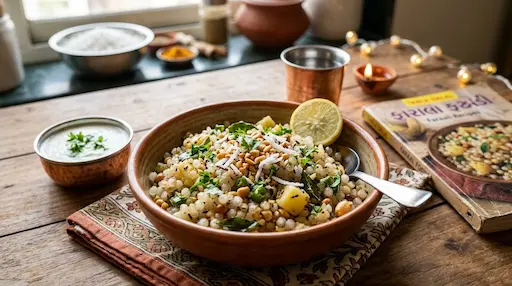
Fasting seasons across India bring families together through deeply comforting, traditional recipes designed to provide sustained energy. Among these, the classic sabudana khichdi recipe tarla dalal approach stands out as a golden standard for home cooks seeking perfection. If you have ever struggled with sticky, clumped-together pearls or unevenly cooked starch, mastering this foolproof technique will change your kitchen routine forever. Whether you are observing Navratri, Ekadashi, or Mahashivratri, this guide breaks down the science of achieving fluffy, non-sticky sago pearls every single time.
Traditional Indian fasting (vrat or faraal) cuisine requires careful ingredient selection since standard grains and table salt are often restricted. Instead, dishes rely on rock salt (sendha namak), cumin, peanuts, and nutrient-dense tubers. Following expert culinary guidelines inspired by master creators like Renu Dalal and Renu Dalal Official Recipes ensures your festive meal remains authentic, wholesome, and delightfully flavorful.
Understanding the Core Components of Faraal Cuisine
Simplicity defines the heart of traditional fasting food. Because heavy spices and certain grains are avoided, every single ingredient must pull its weight to deliver a harmonious balance of texture and taste. Sago pearls, or tapioca, provide a dense source of easily digestible carbohydrates, making them ideal for long hours of fasting.
To recreate the iconic flavors found in classic home-cooking archives, you only need a handful of pantry staples. Let us examine what goes into an authentic batch:
- Sabudana (Tapioca Pearls): The star of the dish. Selecting medium-sized pearls yields the best fluffy texture after soaking.
- Peanuts (Singdana): Coarsely ground roasted peanuts add a nutty crunch and help absorb excess moisture.
- Potatoes (Aloo): Boiled or pan-sautéed cubed potatoes provide substance and earthy undertones.
- Tempering Essentials: Cumin seeds, green chilies, curry leaves, and occasionally a hint of lemon juice or sugar for brightness.
The Golden Rules of Sago Soaking
The secret weapon behind any successful sabudana khichdi recipe tarla dalal enthusiasts swear by is proper hydration. Many beginners either drown the pearls in too much water, turning them into a paste, or under-soak them, leaving hard, chalky centers.
Achieving optimal hydration requires a precise water-to-sago ratio. Rinse the pearls thoroughly under running water until the starch clears. Drain all excess liquid completely. Next, soak them with just enough water—usually keeping the water level barely a millimeter above the surface—for two to four hours. As food culture observers at platforms like HerZindagi Fasting Guides note, well-soaked pearls should easily mash between your fingers without leaving a wet residue.
“Properly soaking the sabudana and fluffing it gently while cooking is the ultimate secret to keeping individual pearls separate and non-sticky.” — Renu Dalal Culinary Insights
Step-by-Step Cooking Technique for Fluffy Results
Once your pearls are perfectly fluffed and infused with moisture, cooking requires speed and gentle handling. Over-stirring breaks down the soft starch granules, leading to a heavy, gummy texture.
Heat a tablespoon of oil or ghee in a heavy-bottomed pan over a medium flame. Add cumin seeds and let them crackle, followed by fresh curry leaves and chopped green chilies for heat. Next, toss in the boiled potato cubes and roasted peanut powder, stirring gently for about thirty seconds.
Finally, introduce the soaked sabudana pearls along with rock salt, a pinch of sugar, and lemon juice. Toss everything together and cook on a medium flame for just two to three minutes until the pearls turn translucent. Remove from heat immediately.
Comparison of Common Sabudana Textures
To help you diagnose any issues in your kitchen, consider this quick reference table outlining various cooking outcomes and what they indicate about your technique.
| Texture State | Primary Cause | How to Fix It |
|---|---|---|
| Pastey & Clumped | Too much water during soaking or over-stirring on high heat. | Use less water next time; toss gently with roasted peanut powder to absorb excess surface moisture. |
| Hard & Chalky Center | Under-soaked pearls or insufficient cooking time. | Sprinkle a few drops of water, cover with a lid, and steam on low heat for two minutes. |
| Fluffy & Separate | Exact water ratio, adequate resting time, and gentle folding. | You have achieved perfection! Serve hot immediately with fresh coriander leaves. |
As noted in traditional culinary standards, keeping the cooking time short prevents the starch from breaking down completely, ensuring every single pearl retains its distinct identity.
Pro Tips for Troubleshooting and Flavor Enhancement
Even experienced cooks occasionally run into minor roadblocks when preparing festive meals. Here are a few professional tricks to elevate your dish:
- Control the Moisture: If your soaked pearls feel overly wet, spread them out on a clean cotton cloth or tray for 15 minutes before cooking.
- Enhance the Crunch: Double the amount of coarsely crushed roasted peanuts if you prefer a richer, crunchier texture that counters the soft starch.
- Balance the Flavors: A light squeeze of fresh lemon juice right at the end cuts through the richness of the oil and brightens the entire flavor profile.
“Fasting meals do not have to compromise on taste. Balancing earthy potatoes with nutty peanuts and sharp green chilies creates a deeply satisfying culinary experience.” — Traditional Vrat Advisory
Frequently Asked Questions
Why does my sabudana khichdi turn sticky and mushy?
Stickiness usually happens when too much water is used during the soaking process or if the pearls are over-stirred while cooking over high heat. Always ensure you wash away excess surface starch and soak with minimal water.
Can I make this dish using ghee instead of oil?
Yes, traditional faraal recipes frequently use pure cow ghee. Ghee adds a rich, aromatic flavor that elevates the dish, making it even more satisfying during long fasting hours.
How long should I soak the sago pearls before cooking?
For best results, soak medium-sized sabudana pearls in just enough water for two to four hours, or until they swell up and mash easily between your fingers without a wet core.
Is this recipe suitable for all types of Indian fasts?
Yes, this recipe uses standard fasting-approved ingredients like rock salt (sendha namak), cumin, potatoes, and peanuts, making it completely compliant with Navratri, Ekadashi, and other vrat rules.
Conclusion and Next Steps
Mastering traditional fasting dishes brings both comfort and confidence to your home kitchen. By following the meticulous steps of the classic sabudana khichdi recipe tarla dalal methodology, you ensure that every festive meal is light, flavorful, and wonderfully non-sticky.
Are you ready to elevate your festive cooking repertoire further? Gather your ingredients, soak your sago pearls today, and share your delicious homemade creations with your family and friends!