

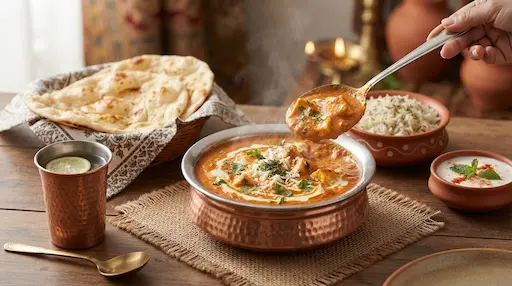
For many vegetarian food lovers, this specific dish represents the pinnacle of North Indian cuisine. Consequently, learning how to make it from scratch empowers you to skip expensive takeout and impress your family. In this comprehensive guide, we will break down every single step, ingredient, and pro tip you need.
Therefore, grab your apron and get your spices ready. By the end of this article, you will confidently cook a flawless bowl of this iconic curry. Let us dive deep into the fascinating history, nutritional benefits, and cooking secrets behind this culinary masterpiece.
The History and Meaning of “Lababdar”
Before we start chopping vegetables, we must understand the cultural roots of this famous dish. The word “Lababdar” has strong origins within the historical Mughal empire. Indian cuisine evolved significantly during this era, introducing rich nuts, creams, and aromatic spices to everyday cooking.
Interestingly, there is no direct English translation for the word. However, culinary historians describe it as a term for something deeply rich, irresistible, and profoundly desirable. When you eat a “lababdar” dish, you essentially surrender to its overwhelming flavor.
“The word Lababdar denotes a delectable, rich dish that is extremely desirable—a flavor profile so compelling that your tastebuds simply surrender to it.”
As a result, creating the Paneer Lababdar Sanjeev Kapoor Khazana recipe requires a delicate balance of sweetness, tanginess, and spice. You cannot rush this process. You must carefully coax the flavors out of the raw ingredients through slow, deliberate cooking techniques.
To learn more about how Mughal traditions shaped modern Indian food, you can explore the fascinating history of Mughlai cuisine. This background knowledge will undoubtedly change how you view your spice cabinet.
Paneer Lababdar vs. Paneer Butter Masala: What is the Difference?
Many home cooks frequently confuse this dish with other popular vegetarian curries. Specifically, people often ask how this recipe differs from the famous Paneer Butter Masala. While they share similar color profiles, their ingredient lists and textures vary significantly.
First, Paneer Butter Masala relies heavily on a smooth, sweet, and tangy tomato base. It uses abundant butter and lacks chopped onions in the final textured sauce. In contrast, the Lababdar version utilizes a robust mix of both chopped onions and pureed tomatoes.
Furthermore, the most defining characteristic of the Lababdar gravy is the addition of grated paneer. This clever technique thickens the sauce naturally. Consequently, you get small, creamy bites of cheese in every single spoonful of the gravy.
In addition, this recipe utilizes melon seeds (magaz) alongside cashew nuts. This combination yields an earthy, nutty undertone that perfectly balances the bright acidity of the tomatoes. Therefore, if you prefer a highly textured, complex curry, this is the superior choice.
Essential Ingredients for the Perfect Gravy
To replicate the exact Paneer Lababdar Sanjeev Kapoor Khazana flavor, you need high-quality ingredients. Do not substitute the whole spices, as they form the foundational flavor profile of the entire dish.
The Star Ingredients
- Cottage Cheese (Paneer): You need 200 grams cut into bite-sized cubes, plus 50 grams finely grated.
- Tomatoes: 3 medium-sized, ripe, and juicy red tomatoes (chopped).
- Onions: 3 medium onions (finely chopped).
The Flavor Base (Nuts and Seeds)
- Melon Seeds (Magaz): 1½ tablespoons. This provides a creamy, dairy-free thickness.
- Cashew Nuts: 8 to 10 whole cashews. These add a luxurious richness to the base paste.
The Whole Spices and Powders
- Cumin Seeds (Jeera): 1 teaspoon for the initial tempering.
- Green Cardamom and Cloves: 2 of each to infuse the cooking oil.
- Kashmiri Red Chilli Powder: 1 tablespoon for that iconic, vibrant red color without excessive heat.
- Garam Masala: ½ teaspoon to finish the dish.
- Kasuri Methi (Dry Fenugreek Leaves): 1 teaspoon, gently crushed.
Finally, gather your pantry staples. You will need oil, butter, fresh cream, ginger-garlic paste, salt, and a dash of honey. For further recipe inspiration, you can always visit the official Sanjeev Kapoor website.
Step-by-Step Cooking Instructions
Now that your ingredients stand ready, we can begin the cooking process. Follow these instructions precisely to achieve that coveted, velvety restaurant texture.
Step 1: Prepare the Rich Nut Paste
First, heat a tablespoon of oil in a non-stick pan. Add a portion of your chopped onions and sauté them until they turn translucent. Next, add the chopped tomatoes, cashew nuts, and melon seeds.
Cook this mixture for about five minutes until the tomatoes turn soft and pulpy. Remove the pan from the heat and let it cool completely. Once cooled, transfer the mixture to a blender. Add half a cup of water and blend it into a perfectly smooth paste.
Step 2: Build the Spiced Gravy Base
Wipe your pan clean and heat two tablespoons of oil along with a small knob of butter. Carefully add the cumin seeds, green cardamoms, and cloves. Let them crackle and release their fragrant oils into the fat.
Subsequently, add the remaining finely chopped onions. Sauté them patiently over medium heat until they achieve a deep golden-brown color. Add the ginger-garlic paste and chopped green chilies, stirring continuously for one minute.
Step 3: Combine and Simmer
Lower the heat to prevent burning the spices. Stir in the Kashmiri red chili powder for a vibrant color. Immediately pour in the smooth tomato-cashew paste that you prepared earlier. Mix everything vigorously.
Allow this vibrant gravy to cook for a few minutes until oil begins separating at the edges. Next, add one and a half cups of hot water, adjust the salt, and bring the entire mixture to a gentle boil.
Step 4: The Final Flourish
This is where the magic happens. Crush the dry fenugreek leaves (kasuri methi) between your palms and sprinkle them into the gravy. Add a small drizzle of honey to balance the tartness.
“The secret to an authentic Lababdar gravy lies in adding freshly grated paneer directly into the simmering sauce. It creates a rustic, thick texture that coats the larger cheese cubes perfectly.”
Stir in the grated paneer and mix well. Finally, gently fold in the paneer cubes. Simmer for two minutes, but do not overcook, or the cheese will become rubbery. Turn off the heat, stir in the fresh cream, and sprinkle garam masala on top.
Pro Tips from Master Chefs for the Best Texture
Perfecting the Paneer Lababdar Sanjeev Kapoor Khazana recipe requires a few insider secrets. Even slight adjustments to your technique can drastically improve the final result.
First, always soak store-bought paneer in warm water for twenty minutes before using it. This simple trick softens the cheese and removes any dense, rubbery texture. As a result, the cubes will melt in your mouth.
Secondly, never skip straining your tomato and cashew puree if you want an ultra-luxurious feel. While the traditional recipe has texture from the chopped onions, the underlying tomato base should remain silky smooth.
Lastly, be incredibly careful with the Kashmiri chili powder. Always add it to low-heat oil. If the oil runs too hot, the chili powder will burn instantly, turning your beautiful red curry into a bitter, brown mess.
Nutritional Profile and Calories
Many people wonder about the health aspects of rich Indian curries. While this dish acts as an indulgent treat, it also provides substantial nutritional value, particularly high-quality vegetarian protein.
The combination of dairy and nuts delivers a powerful dose of calcium and healthy fats. However, portion control remains crucial due to the heavy cream and butter usage. Below is a breakdown of the nutritional content for a standard one-cup serving.
| Nutrient | Amount Per Serving (1 Cup) | % Daily Value |
|---|---|---|
| Calories | 389 kcal | – |
| Total Fat | 26 g | 40% |
| Protein | 11 g | 22% |
| Carbohydrates | 29 g | 10% |
| Calcium | 690 mg | 69% |
“With nearly 11 grams of protein and a massive 69% of your daily calcium intake per serving, this dish provides substantial energy and bone-supporting nutrients.”
If you want to reduce the overall calorie count, you can make simple substitutions. For instance, swap the heavy cream for whisked yogurt, or use a lighter cooking oil instead of butter for the tempering process.
What to Serve with this Rich Paneer Dish
A spectacular curry demands an equally spectacular accompaniment. Because the gravy is thick, creamy, and heavily spiced, it pairs best with traditional Indian flatbreads.
Fresh, garlic butter naan is undeniably the top choice. The soft bread acts as a sponge, soaking up every drop of the luscious sauce. Alternatively, flaky laccha parathas offer a wonderful textural contrast to the soft cheese.
If you prefer rice, serve this dish alongside aromatic jeera (cumin) rice or lightly spiced peas pulao. Furthermore, adding a side of crisp, fresh onion rings soaked in vinegar will brilliantly cut through the richness of the cream.
Conclusion
Cooking at home does not mean you have to sacrifice premium flavor. By following this Paneer Lababdar Sanjeev Kapoor Khazana recipe, you bring the magic of top-tier Indian restaurants straight to your dining table.
From the historically rich Mughal roots to the brilliant technique of incorporating grated cheese into the sauce, this dish is a true culinary marvel. It balances spice, sweetness, and creaminess with absolute perfection.
Now it is your turn to create magic in the kitchen. Gather your ingredients, follow the steps patiently, and watch your family ask for second helpings. If you try this recipe, please leave a comment below and share your delicious results with our community!
Frequently Asked Questions (FAQ)
What is the meaning of Lababdar?
Lababdar is a term of Mughal origin that roughly translates to a strong desire to surrender to something. In culinary terms, it refers to a remarkably rich, creamy, and irresistible dish.
Can I skip melon seeds in this recipe?
While melon seeds (magaz) provide authentic creaminess, you can skip them if unavailable. Simply substitute them by adding 5 to 6 extra cashew nuts to your base paste.
How is this different from Kadai Paneer?
Kadai Paneer features a spicy, dry gravy made with freshly ground coriander and red chilies, heavily loaded with bell peppers. Conversely, Lababdar has a sweeter, creamier, and wetter gravy without prominent bell peppers.
Is the Paneer Lababdar Sanjeev Kapoor Khazana recipe spicy?
No, this dish is typically mild to moderately spiced. It utilizes Kashmiri red chili powder primarily for its vibrant color rather than severe heat, making it highly suitable for children and sensitive palates.