

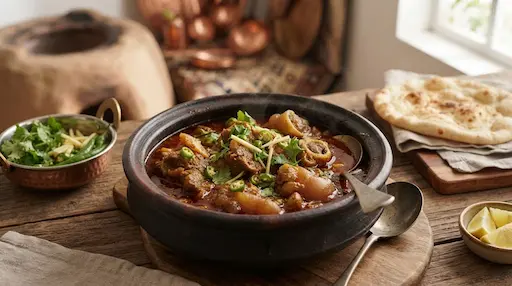
For many food lovers, making paya from scratch feels incredibly intimidating. Historically, the complex spice measurements deterred home cooks from attempting this iconic dish. However, using a premium pre-mixed spice blend completely removes the guesswork. Therefore, you can confidently enjoy a legendary restaurant-style breakfast without leaving your kitchen.
In this comprehensive guide, we will explore the fascinating history of this cherished delicacy. Furthermore, we will break down the exact cooking steps, nutritional benefits, and expert tips. Ultimately, you will learn how to cook an unforgettable meal that rivals the best street food vendors in Lahore.
What is Siri Paye? Exploring the Cultural History
Before you start cooking, you must understand the rich origins of this extraordinary dish. The name translates simply from Urdu and Hindi. Specifically, “Siri” means the head of the animal, while “Paya” refers to the feet or trotters. Together, they create a nose-to-tail cooking experience that celebrates zero-waste culinary traditions.
Historically, Siri Paye originated from a beautiful amalgamation of Central Asian and South Asian cuisines. Royal cooks in regions like Delhi, Lucknow, and Hyderabad slowly adapted the recipe. Consequently, they transformed a humble peasant meal into a sophisticated delicacy meant for kings and special guests.
Today, the dish remains a vibrant part of cultural celebrations and festive mornings. In fact, people often gather at historic food streets before sunrise just to secure a fresh bowl. According to historical archives on Wikipedia, traditional cooks utilized wood or coal fires, simmering the broth overnight to achieve perfection.
The Global Recognition of Siri Paye
This localized breakfast favorite recently stepped onto the global culinary stage. Consequently, international food critics have started recognizing the sheer depth of flavor hidden within this humble stew. TasteAtlas, a prestigious global food guide, recently highlighted the dish in an impressive ranking.
“In a culinary triumph, Siri Paya, the aromatic and hearty Pakistani delicacy, clinched the 47th spot in TasteAtlas’ esteemed 2024 ranking of the world’s best stews.”
Therefore, when you prepare the National Siri Paye recipe, you are cooking an internationally acclaimed masterpiece. Furthermore, you join a global community of food enthusiasts who appreciate slow-cooked, deeply seasoned comfort food. As a result, this dish serves as a perfect conversation starter during family dinners.
Why Choose the National Siri Paye Recipe Mix?
Achieving the perfect balance of spices requires years of specialized practice. However, National Foods Limited changed the culinary landscape when it launched in 1970. Founders Abdul Majeed and Waqar Hasan aimed to provide hygienic, packaged spices to everyday consumers. Consequently, they revolutionized how families cook complex traditional meals.
The company currently exports to over forty countries across five different continents. Therefore, the diaspora can easily access authentic flavors anywhere in the world. Their proprietary spice blend captures the precise ratio of cardamom, cloves, turmeric, and red chili needed for a flawless stew.
Additionally, utilizing this recipe mix significantly cuts down your preparation time. You no longer need to toast, grind, and measure a dozen different spices. Ultimately, you get a consistent, mouth-watering flavor profile every single time you turn on the stove.
Nutritional Value and Health Benefits of Paya
Many dietitians praise bone broths and slow-cooked meat stews for their immense health benefits. Specifically, Siri Paye offers a massive dose of natural collagen and essential minerals. As the bones simmer, they release calcium, phosphorus, and magnesium directly into the rich broth.
Furthermore, this meal fits surprisingly well into specific dietary lifestyles. Because the carbohydrate count remains remarkably low, the dish serves as an excellent keto-friendly option. However, portion control remains essential due to the naturally high fat content found in the marrow.
“Siri Paye is rich in collagen, protein, and essential minerals, supporting joint health, skin elasticity, and overall nourishment, especially during the colder winter months.”
Below is a quick breakdown of the nutritional content you can expect from a standard serving of cooked mutton Siri Paye. Consequently, you can track your macros while enjoying a lavish traditional feast.
| Nutrient | Amount per Serving (250g) |
|---|---|
| Calories | 283 kcal |
| Protein | 23.6 g |
| Total Fat | 18.9 g |
| Total Carbohydrates | 4.7 g |
| Sodium | 755 mg |
Essential Ingredients for the National Siri Paye Recipe
Preparation represents the most crucial stage of any successful cooking endeavor. Therefore, you must gather all your fresh ingredients before igniting your stove. High-quality meat ensures the broth develops a thick, sticky, and satisfying texture.
For the most authentic experience, visit your local butcher and request freshly cleaned trotters. Furthermore, ensure your pantry holds fresh aromatics to complement the packaged spices. Here is exactly what you need to create the perfect National Siri Paye recipe at home:
- Meat: 1 whole goat or beef head (Siri) and 4-6 trotters (Paye), washed thoroughly.
- Spice Blend: 1 packet of National Paya Recipe Mix.
- Aromatics: 2 tablespoons of fresh ginger-garlic paste.
- Vegetables: 1 large onion, blended into a fine paste.
- Dairy: 1 cup of plain, unsweetened yogurt (whisked).
- Cooking Fat: 1 cup of cooking oil or pure ghee.
- Garnish: Fresh coriander, julienned ginger, and sliced green chilies.
Step-by-Step Cooking Instructions
Step 1: Meticulously Clean the Trotters
First, you must clean the trotters to remove any lingering odors. Many expert chefs recommend rubbing the meat with dry wheat flour or a splash of white vinegar. Consequently, this simple technique guarantees a fresh, clean-tasting broth.
After applying the flour, let the meat sit for fifteen minutes. Next, rinse the pieces extensively under cold running water. Finally, drain all excess moisture before proceeding to the cooking phase.
Step 2: Prepare the Flavorful Base
Heat your oil or ghee in a large, heavy-bottomed pot or a pressure cooker. Once the oil shimmers, add the blended onion paste. You must fry the onions patiently over medium heat until they turn a beautiful golden brown color.
Subsequently, add the fresh ginger-garlic paste to the pot. Sauté this aromatic mixture for another two minutes until the raw garlic smell completely dissipates. As a result, you build a robust flavor foundation for your stew.
Step 3: Introduce the National Spices
Now, add the cleaned trotters and head pieces into the pot. You must roast the meat (a process called “bhunai”) with the onion base for at least ten minutes. This crucial step seals the meat and enhances the final texture.
Once the meat browns slightly, whisk the yogurt and the entire packet of the National Siri Paye recipe mix together in a separate bowl. Pour this spiced yogurt mixture directly over the meat. Keep stirring continuously until the oil separates from the masala.
Step 4: Slow Cook to Perfection
If you prefer the traditional method, add eight to ten glasses of water to the pot. Bring the liquid to a rolling boil, then reduce the heat to the lowest possible setting. Cover the pot tightly and let it simmer gently for four to six hours until the meat falls off the bone.
However, if you want to save time, use a pressure cooker. Add the water, secure the lid, and pressure cook for about 45 to 60 minutes. Once the pressure releases naturally, check the meat. It should feel incredibly tender and gelatinous.
Step 5: Garnish and Serve
After the meat reaches the desired tenderness, uncover the pot. If the gravy looks too thin, cook it on high heat for a few minutes to achieve a sticky, thick consistency. Conversely, if it looks too thick, add half a cup of boiling water.
Finally, turn off the stove and let the dish rest for ten minutes. This resting period allows the seasoned oil to float to the surface, creating an appetizing presentation. Garnish the stew generously with fresh coriander, ginger matchsticks, and green chilies.
Pro Tips for Elevating Your Paya Curry
Even with a perfect spice mix, small technical adjustments can dramatically elevate your final dish. For instance, the temperature of the water you add matters significantly. Therefore, always add boiling water to your stew rather than cold water. Cold water shocks the meat and immediately halts the cooking process, resulting in tough bites.
Additionally, do not skip the initial roasting (bhunai) phase. This technique caramelizes the natural sugars in the meat and onions. Consequently, it imparts a deep, earthy flavor that boiling alone simply cannot achieve.
“The secret to a legendary bowl of Paya lies in patience. The slow, gentle simmering process extracts maximum gelatin from the bones, creating that signature sticky texture that coats your spoon.”
Furthermore, if you want a vibrant red color without adding extra heat, consider adding a pinch of Kashmiri red chili powder during the roasting phase. Ultimately, this creates a visually stunning dish that looks exactly like the famous street food found in internationally ranked restaurants.
What to Serve with Your Authentic Siri Paye
A dish this spectacular demands the perfect accompaniments. Traditionally, you never eat this rich stew with plain rice. Instead, the thick, gelatinous gravy pairs flawlessly with freshly baked breads that act as a sponge.
Therefore, you should serve this meal with piping hot, crispy Roghani Naan or fluffy Kulchas straight from a tandoor oven. The soft bread easily soaks up the spiced broth, ensuring you enjoy every last drop. Additionally, Khamiri Roti serves as a wonderful, slightly tangy alternative.
Finally, always provide extra garnishes on the dining table. A side plate of sliced lemons, diced raw onions, and extra green chilies allows your guests to customize their bowls. The acidity from the lemon juice perfectly cuts through the rich fat of the trotters.
Conclusion
Creating a masterful, traditional breakfast no longer requires you to wake up before dawn to grind whole spices. By following the National Siri Paye recipe, you bring the authentic, soul-warming flavors of historical South Asia directly to your family’s dining table.
Now it is your turn to experience this culinary magic. Gather your ingredients, embrace the slow-cooking process, and prepare for a truly unforgettable meal. Try cooking this spectacular stew this weekend, and do not forget to share your delicious results in the comments section below!
Frequently Asked Questions (FAQ)
What does Siri Paye mean?
In Urdu and Hindi, “Siri” refers to the head of a cow or goat, while “Paya” refers to the trotters or feet. Together, the term describes a traditional, slow-cooked meat stew made from these specific parts.
How long does the National Siri Paye recipe take to cook?
If you use a traditional heavy-bottomed pot on low heat, it takes about 4 to 6 hours for the meat to become tender. However, using a modern pressure cooker reduces the cooking time to just 45 to 60 minutes.
Is Siri Paye healthy?
Yes, it is highly nutritious. The slow-cooked bone broth contains massive amounts of natural collagen, calcium, and phosphorus, which heavily support joint health, skin elasticity, and bone strength.
Can I cook this recipe in a pressure cooker?
Absolutely. A pressure cooker is highly recommended for modern home cooks. It drastically reduces the cooking time while effectively breaking down the tough connective tissues in the trotters to release the essential gelatin.
What should I serve with Siri Paye?
This rich stew is traditionally served with hot, fresh flatbreads. The best pairings include Roghani Naan, Kulcha, or Khamiri Roti, along with a side of fresh lemon wedges, ginger, and green chilies.