

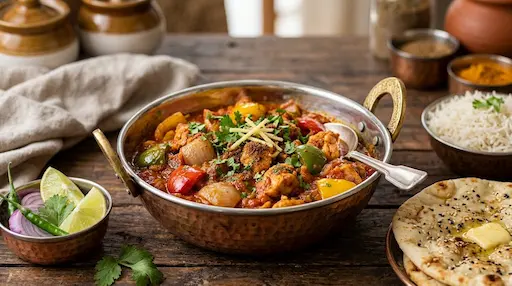
If you want to prepare restaurant-grade North Indian curry at home, mastering kadai chicken कड़ाई चिकन sanjeev kapoor khazana techniques will completely transform your cooking. The iconic dish is famous for its bold, smoky aroma, freshly ground spices, and thick onion-tomato gravy cooked in a heavy iron wok. Chef Sanjeev Kapoor has perfected this recipe over decades, striking a flawless balance between fiery spices and rich savory depth.
In this guide, you will learn the exact spice formulations, step-by-step techniques, and secret cooking tips directly inspired by Chef Sanjeev Kapoor’s signature style. However, achieving that distinct dhaba-style taste requires understanding how individual spices react to high heat in an iron vessel. Therefore, let us explore the foundational elements that make this dish a worldwide favorite.
What Makes the Sanjeev Kapoor Khazana Recipe Unique?
Unlike standard chicken curries that rely heavily on pre-ground commercial spice packets, Chef Sanjeev Kapoor emphasizes using fresh whole spices. Furthermore, cooking in a heavy-bottomed iron kadai transfers intense, smoky flavors directly into the meat and onion-tomato gravy base.
According to culinary technique breakdowns featured on SanjeevKapoor.com, roasting coriander seeds, cumin, dried red chillies, and black peppercorns right before grinding releases essential aromatic oils that elevated restaurant-style gravies depend on.
“The true soul of an authentic Kadai Chicken lies in the freshly roasted kadai masala, paired with high-heat searing in an iron wok.” — Sanjeev Kapoor Khazana Technique
In addition, the recipe incorporates fresh bell peppers, diced onions, and dried fenugreek leaves (kasuri methi) at specific stages. As a result, the finished curry maintains a vibrant texture alongside its deep flavor profile.
Essential Ingredients Breakdown
To recreate this masterpiece at home, gather fresh, high-quality ingredients. Below is the complete ingredient profile for serving four adults comfortably.
1. Whole Spices for Fresh Kadai Masala
- Coriander seeds: 2 tablespoons
- Cumin seeds: 1 tablespoon
- Black peppercorns: 1 teaspoon
- Dried whole red chillies: 4 to 5 pieces
- Green cardamom pods: 3 pieces
2. Main Curry Ingredients
- Chicken: 750g to 1kg (bone-in pieces for max flavor)
- Onions: 3 medium (2 finely chopped, 1 cubed into petals)
- Tomatoes: 4 large (finely chopped or pureed)
- Ginger-garlic paste: 2 tablespoons
- Green capsicum (Bell Pepper): 1 large (diced into squares)
- Cooking oil or Ghee: 3 tablespoons
- Kasuri Methi (Dried Fenugreek Leaves): 1 tablespoon
- Fresh coriander leaves & ginger juliennes: For garnish
- Turmeric & Red Chilli Powder: 1/2 tsp turmeric, 1 tsp Kashmiri red chilli powder
- Salt: To taste
Comparing Cooking Methods: Traditional Iron Kadai vs. Standard Pan
Many home cooks wonder whether the utensil choice genuinely affects the final dish. The table below outlines how vessel choice influences key characteristics of the curry.
| Feature | Heavy Iron Kadai (Recommended) | Non-Stick Pan / Stainless Steel |
|---|---|---|
| Heat Distribution | High heat retention, ideal for searing meat quickly | Moderate heat distribution, slower moisture evaporation |
| Flavor Profile | Imparts a smoky, authentic dhaba-style character | Cleaner, lighter flavor with less caramelization |
| Gravy Texture | Thick, rustic, clings tightly to chicken pieces | Slightly looser gravy unless reduced longer |
| Cooking Time | Faster due to sustained intense heat | Requires slightly longer simmering time |
Step-by-Step Instructions: Sanjeev Kapoor Khazana Method
Follow these structured steps carefully to ensure every element of the curry reaches its maximum flavor potential.
Step 1: Prepare the Fresh Kadai Masala
First, place a dry frying pan over medium heat. Add the coriander seeds, cumin seeds, black peppercorns, green cardamom, and dried whole red chillies. Roast them gently for 2 to 3 minutes until fragrant. Next, let the spices cool completely. Finally, pulse them in a spice grinder to create a coarse powder, avoiding fine dust.
Step 2: Sear the Chicken
Heat two tablespoons of oil or ghee in your iron kadai over high heat. Add the cleaned chicken pieces along with a pinch of salt. Sear the meat for 5 to 6 minutes until the edges turn golden brown. As a result, the juices seal inside the chicken. Transfer the seared chicken to a plate and set it aside.
Step 3: Build the Onion-Tomato Base
In the same kadai, add another tablespoon of oil. Add the finely chopped onions and cook until light golden brown. Next, stir in the ginger-garlic paste and saute for 60 seconds until the raw aroma disappears. Add the chopped or pureed tomatoes, turmeric powder, Kashmiri red chilli powder, and salt. Cook down the mixture until oil begins to separate from the masala.
“Allowing the tomato base to release oil naturally is the crucial benchmark that guarantees balanced acidity and deep savory body.” — Chef Culinary Guidelines
Step 4: Combine, Simmer, and Finish
Return the seared chicken to the kadai and stir well to coat every piece with the tomato masala. Add half of your freshly ground kadai masala and 1/2 cup of hot water. Cover with a lid and cook on medium-low heat for 12 to 15 minutes until the chicken becomes tender. Meanwhile, stir in the diced green capsicum, onion petals, remaining kadai masala, and crushed kasuri methi during the final 4 minutes of cooking. Consequently, the vegetables stay crisp and colorful.
Pro Tips for Restaurant Quality at Home
Achieving standard home curry is simple, but producing true restaurant quality requires extra attention to detail. For authoritative nutrition context and food chemistry guidelines on cooking protein, refer to established resources on culinary safety at the USDA Food Safety Portal.
Here are key expert tips to elevate your dish instantly:
- Avoid Overcooking Bell Peppers: Always add diced capsicum towards the end so it maintains bite and bright green color.
- Adjust Chilli Levels: Use Kashmiri red chilli powder to get a deep red color without making the curry overly spicy.
- Use Bone-In Meat: Bone-in chicken yields richer juices that significantly enhance the gravy’s thickness and flavor.
- Finish with Fresh Herbs: Freshly cut ginger juliennes and cilantro leaves added right before serving provide a refreshing contrast to warm spices.
“A short 5-minute resting period after cooking allows gravy juices to redistribute evenly throughout the tender meat fibers.” — Culinary Expert Insight
Nutritional Overview
When prepared with balanced oil quantities, this chicken curry offers a highly nutritious meal rich in lean protein, niacin, phosphorus, and antioxidant-rich spices like turmeric and coriander.
| Nutrient | Approximate Value per Serving |
|---|---|
| Calories | 340 kcal |
| Protein | 38 g |
| Carbohydrates | 12 g |
| Fat | 16 g |
| Dietary Fiber | 3.5 g |
Conclusion
Preparing kadai chicken कड़ाई चिकन sanjeev kapoor khazana style brings authentic North Indian flavors directly into your kitchen. By roasting whole spices fresh, searing chicken in an iron kadai, and balancing cooked tomatoes with crisp capsicum, you create a memorable meal that rivals any top-tier restaurant. Serve it steaming hot alongside butter naan, garlic parathas, or fragrant basmati rice.
Ready to level up your home culinary skills? Try this recipe today, share your feedback with friends and family, and explore our full series of authentic North Indian recipe guides!
Frequently Asked Questions (FAQ)
1. Can I prepare the Kadai Masala powder in advance?
Yes, you can dry roast and grind the kadai masala powder in advance. Store it in an airtight glass container for up to 1 month to preserve its rich aroma.
2. What if I do not have an iron kadai at home?
While an iron kadai provides maximum smoky flavor, a heavy-bottomed stainless steel pan or dutch oven works well as a practical substitute.
3. How do I make the gravy thicker?
To thicken the gravy, sauté the onion-tomato base thoroughly until oil separates. You can also add 1 to 2 tablespoons of cashew nut paste or fresh cream near the end.
4. Is boneless chicken suitable for this Kadai Chicken recipe?
Yes, boneless chicken thighs or breast cubes work well. However, reduce the simmering time slightly to prevent boneless pieces from becoming dry.