

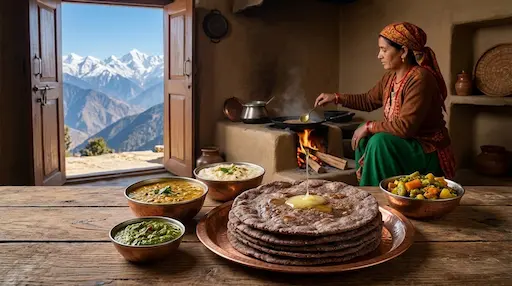
High in the serene Himalayan hills of Northern India, madua roti uttarakhand stands as a time-honored staple of traditional mountain nutrition. Prepared from finely ground finger millet—locally known as mandua or madua across Garhwal and Kumaon—this hearty flatbread nourished hill communities for generations long before modern superfood trends emerged. Modern nutritional science reveals that this dark, earthy grain offers remarkable dietary benefits. It packs elevated levels of essential minerals, dietary fiber, and complex carbohydrates into every serving.
Transitioning from humble rural hearths to mainstream urban wellness menus, finger millet (known regionally as ragi in South India or nachni in Maharashtra) has earned global recognition as a nutrient-dense cereal. Incorporating authentic traditional grains into daily diets helps address prevalent modern health challenges, including bone density loss, metabolic disorders, and gluten sensitivity. Consequently, understanding the cultural heritage and scientific profile of this Himalayan flatbread reveals why it remains an essential pillar of sustainable, health-conscious living.
“Finger millet (madua) contains 344mg of calcium per 100g—roughly eight times more than whole wheat and nearly three times more than whole milk.” — Nutritional Data on Himalayan Grains
What is Madua Roti? Understanding Finger Millet (Ragi/Nachni)
Madua roti refers specifically to the unleavened flatbread crafted from the flour of finger millet (Eleusine coracana). In Uttarakhand, the grain is affectionately called madua or mandua. Depending on the geographic region, this resilient millet goes by several traditional names:
- Madua / Mandua: Uttarakhand (Garhwal and Kumaon regions)
- Ragi: Karnataka, Tamil Nadu, and Andhra Pradesh
- Nachni: Maharashtra and Gujarat
- Kodra / Marwa: Parts of Eastern India and Nepal
The finger millet plant thrives in the steep, rainfed terrace farms of the Himalayas. Farmers cultivate it without synthetic fertilizers or chemical pesticides because the crop resists pests naturally and withstands harsh weather conditions. The harvested seed heads feature tiny, rust-red to dark brown grains. Ground whole with the bran intact, the resulting dark flour gives the flatbread its distinct chocolate-brown tone and rich, nutty flavor.
Furthermore, because finger millet retains its outer bran during milling, the flour preserves its complete natural nutrient spectrum. This unrefined processing ensures that consumers receive intact dietary fiber, essential amino acids, and micro-minerals that commercial wheat refining typically strips away.
Nutritional Breakdown: Why Madua Outshines Rice and Wheat
Evaluating the nutritional composition of finger millet demonstrates why health experts praise it over polished grains like white rice and refined wheat flour (maida). Research published in food science journals shows that finger millet provides exceptional micronutrient density per serving.
| Nutritional Component (per 100g) | Madua / Finger Millet | Whole Wheat | White Rice |
|---|---|---|---|
| Calcium (mg) | 344 mg | 41 mg | 10 mg |
| Dietary Fiber (g) | 11.5 g | 10.7 g | 1.3 g |
| Iron (mg) | 3.9 mg | 3.5 mg | 0.7 mg |
| Magnesium (mg) | 137 mg | 138 mg | 23 mg |
| Gluten Status | Naturally Gluten-Free | Contains Gluten | Naturally Gluten-Free |
As illustrated above, finger millet delivers unparalleled calcium levels alongside robust dietary fiber. In addition, finger millet contains valuable plant polyphenols and tannins that slow enzymatic carbohydrate breakdown, promoting a balanced metabolic response.
Health Benefits of Consuming Madua Roti
Integrating finger millet flatbread into daily meal plans yields substantial wellness benefits. According to clinical research synthesized by the Frontiers in Nutrition Journal, regular consumption of millets significantly aids in managing lifestyle diseases, including type 2 diabetes and high systemic inflammation.
1. Strengthens Bone Density
Calcium deficiency remains a major dietary issue across diverse age groups, contributing to early-onset osteopenia and osteoporosis. Because finger millet yields approximately 344mg of natural calcium per 100g, eating flatbreads prepared from this grain helps fortify skeletal structures. Growing children, nursing mothers, and post-menopausal women benefit immensely from including this grain in their routine meals.
2. Manages Blood Sugar and Glycemic Response
Managing blood glucose levels requires choosing complex carbohydrates that absorb gradually. Finger millet possesses a moderate glycemic index (GI), typically ranging between 66 and 68. However, its exceptionally high soluble and insoluble fiber content slows the release of glucose into the bloodstream. Therefore, replacing refined wheat or rice with finger millet helps prevent sharp post-meal blood sugar spikes.
3. Promotes Sustainable Weight Loss
The dense fiber network within finger millet creates a lasting sense of fullness or satiety. Additionally, the grain contains essential amino acids like tryptophan, which helps curb excessive appetite. As a result, consuming one or two flatbreads for lunch keeps hunger pangs at bay, assisting in natural calorie control without causing energy slumps.
4. 100% Naturally Gluten-Free
Individuals suffering from celiac disease, non-celiac gluten sensitivity, or general digestive discomfort from modern hybrid wheat strains require safe grain substitutes. Finger millet is completely gluten-free. Unlike commercial processed gluten-free mixtures, pure finger millet flour supplies rich nutritional value without artificial gums, additives, or synthetic binders.
“Replacing refined cereal staples with whole millets like finger millet can improve overall glycemic control and reduce long-term cardiovascular risk factors.” — Clinical Dietary Review
Traditional Uttarakhand Madua Roti Recipe
Preparing authentic mountain-style flatbreads requires minimal equipment but relies on specific handling techniques because gluten-free dough lacks natural elasticity. Follow this simple recipe to recreate genuine Himalayan comfort food at home.
Ingredients Required:
- 1 cup Organic Madua (Finger Millet) Flour
- 1/2 cup Warm Water (adjust as needed for binding)
- 1/4 teaspoon Rock Salt or Himalayan Pink Salt
- 1 teaspoon Pure Desi Ghee (optional, for brushing)
- 1/4 cup Whole Wheat Flour (optional, for beginners needing extra binding)
Step-by-Step Cooking Instructions:
- Prepare the Dough: Combine the finger millet flour and salt in a wide mixing bowl. Slowly pour in warm water while kneading gently. Warm water gelatinizes the natural starches, making the gluten-free dough pliable.
- Rest the Dough: Knead until a smooth, soft dough forms. Cover the dough with a damp cloth and allow it to rest for 10 minutes.
- Shape the Portions: Divide the dough into equal-sized ball portions. Dust your hands lightly with dry flour to prevent sticking.
- Flatten the Roti: Gently flatten each dough ball using your palms or pat it out on a parchment paper sheet. If using a rolling pin, roll gently with minimal pressure from the center outward.
- Cook on Tawa: Pre-heat an iron griddle (tawa) over medium flame. Transfer the flattened dough onto the hot surface. Cook until small bubbles surface, flip, and heat the opposite side.
- Puff Over Flame: Move the flatbread directly over an open flame using tongs for a few seconds until it puffs up.
- Serve Warm: Brush lightly with fresh desi ghee and serve hot immediately.
How to Pair Madua Roti for Maximum Taste and Nutrition
In Uttarakhand homes, flatbreads are rarely eaten plain. Regional cooks combine them with local preparations that complement the rustic flavor while optimizing nutrient absorption. Combining plant-based iron from finger millet with healthy fats or vitamin C sources enhances nutrient bioavailability.
Popular pairings include:
- Bhatt Ki Churkani / Dubke: A rich, flavorful curry made from black soybeans indigenous to the Kumaon region.
- Gahat Ki Dal: A warming horse gram lentil soup traditionally consumed during cold winter months.
- Fresh Pahadi White Butter (Loni): Unsalted homemade butter that softens the rustic texture of the flatbread.
- Green Leafy Vegetables: Sauteed mustard greens (sarson saag) or wild spinach tossed with local garlic and mustard oil.
Furthermore, pairing finger millet with protein-dense legumes or dairy balances the amino acid profile, creating a completely balanced vegetarian meal.
Key Takeaways for Daily Lifestyle Integration
Reclaiming traditional food traditions offers a practical approach to modern wellness. Here are essential tips for incorporating finger millet into your household diet:
- Start Gradually: Transitioning abruptly to high-fiber millets may cause temporary digestive adjustments. Begin by replacing wheat once or twice a week.
- Blend for Easy Kneading: If handling pure gluten-free dough proves challenging initially, mix 70% finger millet flour with 30% whole wheat flour.
- Store Properly: Keep whole finger millet flour in an airtight container placed in a cool, dark kitchen pantry to prevent moisture degradation.
- Embrace Seasonal Eating: Enjoy finger millet flatbreads throughout the year, especially during cooler seasons when its warming properties provide sustained bodily comfort.
Frequently Asked Questions
Is madua roti the same as ragi roti?
Yes, madua roti and ragi roti are made from the exact same botanical grain, finger millet (Eleusine coracana). The term ‘madua’ or ‘mandua’ is used in Uttarakhand and Northern India, whereas ‘ragi’ is the common name used in Southern India.
Can diabetics eat madua roti every day?
Yes, individuals with diabetes can safely eat madua roti as part of a balanced meal plan. Its high dietary fiber content slows carbohydrate breakdown, helping manage post-meal blood sugar levels effectively.
Is madua flour naturally gluten-free?
Yes, madua flour is 100% naturally gluten-free. It serves as an excellent, nutrient-dense alternative for individuals with celiac disease, wheat allergies, or general gluten sensitivities.
Why is warm water recommended when kneading madua dough?
Because madua flour lacks gluten, cold water makes the dough crumbly and difficult to roll out. Warm water helps gelatinize the natural starches in the grain, making the dough softer and far easier to shape.
How does madua compare to whole wheat flour in terms of calcium?
Madua flour contains approximately 344mg of calcium per 100g, which is roughly eight times higher than the calcium content found in standard whole wheat flour.
Conclusion
The enduring popularity of madua roti uttarakhand highlights the timeless power of ancient Himalayan superfoods. By delivering exceptional calcium content, fiber-driven digestion, and steady blood sugar support, this dark millet flatbread bridges age-old mountain wisdom with contemporary health goals. Adopting nutrient-dense traditional grains like finger millet enriches daily nutrition while celebrating sustainable agricultural heritage.
Ready to transform your family’s daily nutritional intake with authentic ancient grains? Explore our full collection of organic, ethically sourced Himalayan whole flours and health guides today to bring the wholesome goodness of mountain superfoods straight to your kitchen table!