

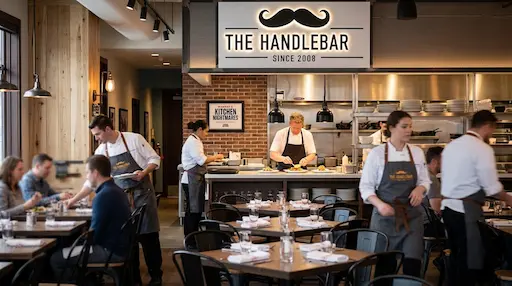
When Gordon Ramsay rolled into Mount Sinai, New York, to save the struggling Handlebar Restaurant and Lounge, reality TV fans expected fireworks. The handlebar restaurant kitchen nightmares episode remains one of the most talked-about installments from the show’s early American run. Owners Billy and Carolyn LeRoy were drowning in debt, operating with an outdated menu, and managing a deeply dysfunctional kitchen. However, despite an emotional emotional overhaul and a promising television revisit, the business faced a tragic end. In this deep dive, we explore what went wrong behind the scenes and why long-term survival proved impossible.
The State of The Handlebar Before Gordon Ramsay’s Arrival
Before the cameras started rolling, Handlebar was a local hangout that had completely lost its identity. Located in Mount Sinai, the establishment suffered from severe neglect. The kitchen conditions were abysmal, featuring cross-contamination risks and spoiled inventory that horrified the Michelin-starred chef. Furthermore, owner Billy LeRoy was combative, fiercely defensive, and entirely out of touch with modern dining trends. Customers complained about excessively slow service, and dishes lacked consistency.
Staff morale hit rock bottom due to poor leadership and an inexperienced cooking staff. In many ways, the restaurant mirrored a common trend across the hospitality industry. According to industry analyses, a staggering number of struggling eateries fail within a year of opening if foundational management issues remain unaddressed. Billy’s resistance to change created a toxic environment where failure felt inevitable unless a drastic intervention occurred.
The Makeover: Transforming Handlebar Into a Gastropub
Gordon Ramsay quickly diagnosed the root causes of the restaurant’s decline. He realized that a simple cosmetic fix would not suffice. As a result, Ramsay stripped away the confused menu and rebranded Handlebar as a modern American gastropub. This new concept focused on fresh ingredients, elevated comfort food, and a vibrant community atmosphere.
During the dramatic relaunch, local support surged. Even celebrity figures like Twisted Sister frontman Dee Snider made an appearance to support the revamped local spot. For a brief moment, the strategy worked wonders. Billy LeRoy temporarily put his ego aside, embraced the new operational standards, and welcomed the influx of eager diners. For more background on how reality TV transformations impact small businesses, you can check out The Daily Meal’s Kitchen Nightmares retrospective.
“The contrast of gorgeous juicy food and the outer crust of incredible flavours… can totally shift a failing venue’s trajectory if leadership commits to the change.” — Culinary Industry Insights
The Short-Lived Success and The Revisit
One year after the initial broadcast, Gordon Ramsay returned to Mount Sinai to check on the progress. To the surprise of many viewers, the restaurant was packed. Carolyn LeRoy reported that Billy had improved significantly as a manager, and head chef Melissa expressed renewed passion for her craft. The walk-in freezer was clean, inventory management had improved, and revenue was finally flowing in.
However, reality television editing often paints an overly optimistic picture of long-term recovery. Running a restaurant requires relentless daily discipline, razor-thin profit margins, and consistent quality control. Unfortunately, the positive momentum captured during the Season 3 revisit did not translate into permanent stability. Industry reports indicate that nearly thirty percent of restaurants featured on the show closed within twelve months of filming.
Why Did Handlebar Ultimately Close Down?
Despite the temporary boost from the show, Handlebar closed its doors permanently in 2009. While no single factor explains the closure entirely, several recurring issues contributed to its demise:
- Reversion to Old Habits: Rumors suggested that management slowly drifted back to old, relaxed habits once the cameras stopped rolling.
- Financial Fatigue: The heavy debt accumulated prior to Ramsay’s intervention proved too difficult to overcome completely.
- Ownership Fatigue: Billy LeRoy had openly considered selling the establishment during filming, indicating a deep underlying burnout.
Following Handlebar’s closure, the building changed hands multiple times, housing subsequent concepts like Skybox Restaurant & Sports Lounge before eventually becoming Bench Warmer’s Tavern. To read more about viewer discussions and local memories regarding the venue, visit the Reddit Kitchen Nightmares community.
Comparing Handlebar’s Fate With Other Kitchen Nightmares Businesses
| Restaurant Stage | Handlebar (Mount Sinai, NY) | Average Failed Reality TV Venue |
|---|---|---|
| Initial Management | Combative and defensive leadership | Lack of financial accountability |
| Post-Show Bump | High customer turnout and successful relaunch | Immediate temporary boost in sales |
| Long-Term Survival | Closed permanently within a year | High failure rate within 12 months |
| Legacy | Remembered fondly by dedicated fans | Frequently rebranded by new owners |
As demonstrated in the comparison table above, a successful television makeover cannot permanently fix structural business deficiencies unless the owners maintain daily operational discipline.
Frequently Asked Questions
Is the Handlebar restaurant from Kitchen Nightmares still open today?
No, Handlebar closed permanently in 2009, shortly after Gordon Ramsay’s second visit. The original location in Mount Sinai, New York, has since been occupied by other concepts, most notably Bench Warmer’s Tavern.
What caused the downfall of Handlebar after the show?
While exact reasons vary, the closure was largely attributed to mounting financial pressures, owner burnout, and the difficulty of maintaining strict operational standards over the long term.
What happened to owner Billy LeRoy after the episode?
Billy LeRoy remained a memorable figure for fans of the show. Tragically, he passed away from cancer in 2015, leaving behind a legacy remembered by local residents and television enthusiasts alike.
Conclusion and Key Takeaways
The story of Handlebar serves as a fascinating case study in the harsh realities of the restaurant industry. While Gordon Ramsay provided the tools, recipe updates, and a strategic gastropub rebrand for temporary success, television magic cannot replace daily operational consistency. Ultimately, the venue could not survive long-term industry pressures.
Are you fascinated by the behind-the-scenes realities of turnaround management and restaurant makeovers? Subscribe to our corporate blog for more exclusive deep dives, industry data, and expert analysis on hospitality trends!