

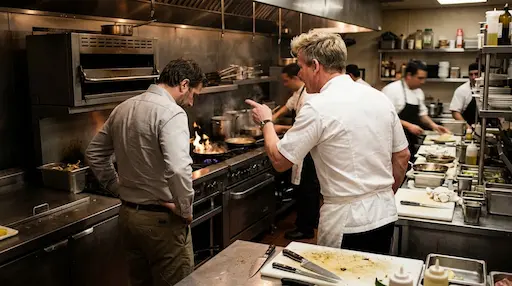
Few television moments capture raw, unadulterated frustration quite like the exact second when gordon-rips-into-spoiled-useless-owner-kitchen-nightmares becomes a full-scale culinary explosion. Across multiple seasons of the hit series, world-renowned chef Gordon Ramsay has crossed paths with countless proprietors who blame everyone except themselves for their failing establishments. However, when an owner exhibits supreme entitlement, deep-seated denial, and complete operational uselessness, Ramsay does not just offer polite advice—he delivers an unforgettable, high-voltage reality check.
Running a successful hospitality business demands relentless hard work, financial discipline, and absolute accountability. Unfortunately, many failing restaurants featured on television are propped up by ego-driven managers who treat their dining rooms like personal vanity projects. Let us explore the psychological triggers, common traits, and shocking operational failures that consistently push Ramsay to his absolute breaking point.
The Anatomy of Entitlement: Why Failing Owners Refuse to Accept Blame
When a restaurant accumulates hundreds of thousands of dollars in debt, logic suggests that leadership should immediately reevaluate its strategy. Yet, in many iconic episodes, spoiled and useless owners double down on defensive excuses. They point fingers at hardworking kitchen staff, uncooperative family members, or demanding customers while ignoring rotting food supplies and toxic work cultures.
Psychologically, this behavior stems from a potent mix of ego protection and financial panic. Admitting failure feels terrifying to individuals whose self-worth is tied entirely to business ownership. As a result, they construct elaborate mental barriers to shield themselves from uncomfortable truths. Consequently, when Ramsay steps through the front doors, these defensive shells shatter under intense scrutiny.
“When an owner sits back, points fingers, and watches their business collapse while refusing to lift a finger, they are not just failing as a boss—they are actively destroying the livelihoods of everyone working for them.”
Common Traits of the Most Notorious Restaurant Owners
Over the years, viewers have witnessed a recurring archetype of restaurant management that defies all professional standards. While every troubled venue has its unique backstory, certain toxic traits surface repeatedly across different episodes:
- Total Operational Blindness: Complete ignorance of basic food safety codes, inventory rotation, and profit margins.
- Unwarranted Arrogance: Dismissing constructive criticism from master chefs while insisting their sub-par cooking is gourmet perfection.
- Passing the Financial Burden: Relying on elderly parents, inherited wealth, or investors while contributing zero personal labor.
- Toxic Defensiveness: Screaming at customers, humiliating waitstaff, and throwing temper tantrums when confronted with errors.
To understand the stark contrast between functional management and catastrophic leadership, let us examine how professional standards compare against toxic ownership behaviors:
| Management Metric | Professional Leadership | Toxic Owner Behavior |
|---|---|---|
| Accountability | Takes full responsibility for kitchen mistakes and financial losses. | Blames line cooks, suppliers, and economy-driven customer drops. |
| Food Safety | Strict temperature checks and rigorous daily FIFO rotation. | Storing rotting meat, expired seafood, and hazardous cross-contamination. |
| Staff Relations | Fosters mutual respect, clear communication, and fair wages. | Relying on verbal abuse, intimidation, and unreasonable micromanagement. |
Because these contrasting styles yield vastly different results, venues plagued by toxic owners inevitably drift toward bankruptcy unless an outside force intervenes.
The Breaking Point: Why Gordon Ramsay Cannot Hide His Disgust
Audiences often wonder why Ramsay loses his temper so quickly in certain episodes. The answer lies in the sheer disrespect shown toward the craft of cooking and the vulnerable people depending on the business for survival. When an owner spends thousands on luxury personal items while their staff goes unpaid—or worse, serves spoiled, life-threatening food to unsuspecting families—politeness becomes entirely inappropriate.
For instance, discovering decomposing lobster or slimy chicken in a walk-in cooler triggers immediate fury. Ramsay understands that behind every spoiled ingredient is a lazy manager who chose willful ignorance over basic diligence. Therefore, his explosive verbal confrontations serve a vital psychological purpose: breaking down deep denial so genuine rebuilding can finally begin.
“You cannot fix a broken restaurant until the person at the top admits they are the primary source of the rot. Denial is the silent killer of the hospitality industry.”
Turning Points and Real-World Lessons for Aspiring Entrepreneurs
Fortunately, not every story ends in permanent closure. Some of the most compelling episodes feature dramatic transformations where arrogant owners experience a humbling awakening. By swallowing their pride, embracing operational restructuring, and learning how to lead by example, select proprietors have managed to turn their failing businesses around.
For further analysis on how television captures workplace dynamics, you can review archival entertainment breakdowns on Prime Video or explore industry insights via major hospitality forums.
Ultimately, the chaotic drama serves as a powerful cautionary tale for any entrepreneur entering the brutal restaurant sector. Success requires humility, relentless grit, and an unwavering commitment to quality over ego.
Conclusion and Next Steps
The unforgettable spectacle of a frustrated culinary expert holding incompetent management accountable remains a cornerstone of great reality television. Whether you watch for the high-stakes drama or the valuable business lessons, the underlying message is clear: leadership starts at the top, and excuses will never substitute for hard work.
Are you ready to dive deeper into the world of culinary television and business strategy? Explore our latest behind-the-scenes features, subscribe to our weekly newsletter, and join the conversation in the comments below!
Frequently Asked Questions
Why do restaurant owners get so defensive on Kitchen Nightmares?
Owners often tie their personal self-worth to their business, making constructive criticism feel like a personal attack rather than professional guidance.
What are the biggest warning signs of a failing restaurant?
Key warning signs include dirty kitchens, expired food inventories, toxic communication between staff and management, and a complete lack of financial tracking.
Can restaurants actually survive after Gordon Ramsay leaves?
Yes, many establishments thrive long-term if the owners maintain the new operational systems, hygiene standards, and leadership discipline introduced during the show.