

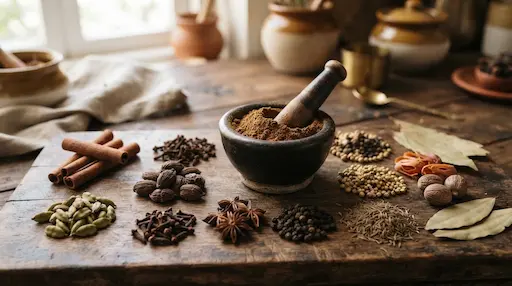
A single pinch of aromatic spice can transform an ordinary dinner into an extraordinary culinary feast. In South Asian cooking, no spice mix holds greater prestige than authentic garam masala. Finding the best garam masala can instantly elevate your home curries, roasted vegetables, and braises from pleasant to unforgettable.
However, navigating the crowded spice aisle presents a real challenge for home cooks. Store shelves contain dozens of commercial brands, each claiming to deliver traditional restaurant quality. Meanwhile, artisan spice purveyors offer small-batch, single-origin blends that promise unprecedented freshness.
In this comprehensive guide, we examine the finest commercial brands, reveal essential whole spice chemistry, and share a foolproof homemade recipe. Consequently, you will gain total confidence in selecting, storing, and cooking with this iconic spice blend.

What Is Garam Masala and Why Quality Matters
The term “garam masala” translates directly from Hindi to mean “warm spice blend.” Historically, this name does not refer to chili heat or tongue-burning spiciness. Instead, it describes the warming thermal effect these aromatic spices exert upon the human body according to ancient Ayurvedic traditions.
Traditional blends combine intensely aromatic botanicals such as cinnamon, cardamom, cloves, cumin, and black pepper. Each individual ingredient contributes delicate volatile essential oils. For instance, cloves provide eugenol, cumin supplies cuminaldehyde, and black peppercorns deliver piperine.
“Ground spices lose between 40% and 60% of their volatile essential oils within six months of processing. Sourcing fresh, whole-ground spices remains the single most important factor for flavor.” — Culinary Science & Spice Preservation Digest
Therefore, purchasing low-grade spices ground years ago results in flat, bitter dishes. Investing in high-potency blends restores vibrant warmth, floral sweetness, and lingering complexity to your daily cooking.
Commercial vs Artisan vs Homemade: Which Choice Wins?
When selecting the best garam masala for your kitchen, you must weigh convenience against maximum aromatic strength. Every cooking style benefits from a slightly different approach.
First, commercial mass-market brands prioritize convenience and budget-friendly pricing. They offer predictable flavor profiles ideal for quick weeknight dinners. However, extended shelf storage in warehouses can dull their natural aromatics.
Second, artisan spice purveyors source whole spices directly from regenerative family farms. They toast and grind small batches frequently to preserve volatile oils. As a result, these premium tins deliver remarkably intense, perfume-like aromas.
Third, crafting your own blend at home offers total creative control. You can customize spice proportions to suit your family’s unique palate. In addition, dry-roasting whole seeds right before grinding guarantees unmatched potency.
“Whole spice seeds act as natural protective capsules. Grinding whole spices immediately before use releases volatile oils at their absolute peak of flavor.” — Food Chemistry Research Journal
In summary, busy home cooks often prefer keeping a high-end artisan tin on hand while occasionally grinding fresh batches for special weekend feasts.
Top Store-Bought Options: Finding the Best Garam Masala Brand
To help you navigate the grocery store aisle, we evaluated leading brands based on sourcing transparency, spice complexity, and freshness. You can explore direct-trade artisanal options at Burlap & Barrel as well as popular heritage suppliers.
1. Burlap & Barrel (Floyd Cardoz Legacy Blend)
Developed alongside late celebrated chef Floyd Cardoz, this blend represents a masterpiece of balance. It combines sweet cinnamon, green cardamom, cloves, mace, and star anise. Furthermore, it shines brilliantly when sprinkled over cooked lentils, roasted squash, or braised meats.
2. Diaspora Co. Garam Masala
Diaspora Co. crafts an exceptionally complex 12-spice blend using single-origin heirloom botanicals. Their formula includes Jodhana cumin, Nandini coriander, Aranya black pepper, and wild cinnamon quills. Consequently, it delivers bright citrus notes alongside deep, earthy warmth.
3. Spicewalla Garam Masala
Founded by award-winning chef Meherwan Irani, Spicewalla uses a cherished family recipe. This blend features nutmeg, clove, cinnamon, black peppercorn, cumin, and green cardamom. In addition, its small-batch tin packaging preserves factory freshness exceptionally well.
4. Tata Sampann Garam Masala
Endorsed by Master Chef Sanjeev Kapoor, Tata Sampann stands out among mass-market options. The brand processes whole spices using specialized technology that retains natural essential oils. Therefore, it delivers rich, authentic dhaba-style flavor at an accessible price point.
5. Everest and MDH Garam Masala
These classic Indian heritage brands remain household staples around the globe. They lean heavily on coriander, black pepper, and cumin for a robust, savory finish. While less floral than artisan brands, they offer reliable consistency for traditional curry bases.
Comparative Analysis of Top Garam Masala Brands
Review this handy breakdown matrix to choose the perfect spice mix for your specific culinary needs.
| Brand / Supplier | Primary Flavor Notes | Key Ingredients Included | Sourcing & Processing | Best Used For |
|---|---|---|---|---|
| Burlap & Barrel | Sweet, floral, warming | Cinnamon, Cardamom, Cloves, Mace, Star Anise | Direct-trade, small-batch ground | Finishing soups, curries, and baking |
| Diaspora Co. | Complex, citrusy, earthy | 12 single-origin heirloom spices | Regenerative single-origin farms | Saag, dal, dry rubs, and egg dishes |
| Spicewalla | Balanced, pungent, woody | Nutmeg, Clove, Cinnamon, Black Pepper | Chef family recipe, fresh packed | Meat marinades and hearty stews |
| Tata Sampann | Rich, savory, aromatic | Whole spices with preserved natural oils | Commercial cold-milling technology | Everyday Indian gravies and subzis |
| Everest / MDH | Earthy, peppery, robust | Coriander, Cumin, Black Pepper, Chili | Mass distribution commercial milling | Quick weeknight curry bases |
How to Make the Best Garam Masala at Home
Creating your own spice mix at home takes less than twenty minutes. Furthermore, hand-crafting your powder allows you to control ingredient quality completely.
Master Ingredients Proportion Ratio
- 2 tablespoons coriander seeds
- 1 tablespoon cumin seeds
- 1 tablespoon green cardamom pods
- 2 whole black cardamom pods
- 2 sticks Ceylon cinnamon (broken into pieces)
- 1 teaspoon whole black peppercorns
- 1 teaspoon whole cloves
- 2 whole star anise
- 1 blade mace (javitri)
- 1/2 teaspoon freshly grated nutmeg
- 2 small dried bay leaves (tejpatta)
Step-by-Step Preparation Method
First, place a heavy skillet over medium-low heat. Do not add oil to the pan, as dry heat is essential for roasting.
Second, add the whole spices to the warm skillet. Toast them gently for three to five minutes while stirring constantly. Remove the skillet from heat immediately once the seeds release a nutty, fragrant aroma.
Third, transfer the hot spices onto a flat plate. Allow them to cool completely at room temperature for ten minutes. Cooling prevents internal condensation, which can ruin your finished powder.
“Gentle dry-roasting caramelizes natural sugars inside whole spice seeds, changing harsh raw notes into smooth, complex flavors.” — Journal of Agricultural & Food Chemistry
Finally, crack open the green and black cardamom pods to remove the dark seeds inside. Place all roasted ingredients into a high-speed spice grinder. Process until you achieve a fine, uniform powder, then transfer into an airtight glass jar.
Culinary Masterclass: How to Cook with Garam Masala
Knowing when to introduce spices during cooking makes a dramatic difference in your final dish.
Many novice cooks make the mistake of adding their spice mix during the initial onion frying stage. However, high heat breaks down delicate floral top notes, leaving behind bitter undertones.
Instead, professional chefs treat the best garam masala primarily as a finishing spice. Sprinkle half a teaspoon over your curry during the final two minutes of simmering. Cover the pan with a tight lid to trap the escaping aromatic steam.
In addition, try expanding your culinary horizons beyond traditional curries. A small pinch elevates roasted carrots, butternut squash soup, or grilled chicken marinades. Furthermore, adding a dash to chocolate brownies or spiced chai tea offers a delightful surprise.
Health Benefits of Authentic Garam Masala
Beyond its incredible culinary versatility, this traditional spice blend provides substantial wellness advantages.
First, active compounds like piperine and cuminaldehyde stimulate digestive enzymes. Consequently, eating spiced meals aids nutrient absorption and reduces post-meal bloating.
Second, cloves and cinnamon contain potent antioxidants that help reduce systemic inflammation. Moreover, research suggests regular consumption supports healthy blood sugar regulation.
Third, warming spices naturally boost body metabolism and promote healthy circulation throughout winter months.
Frequently Asked Questions
What is the difference between curry powder and garam masala?
Curry powder relies heavily on yellow turmeric and earthy coriander for color and mild flavor. In contrast, garam masala focuses on sweet, warming aromatic spices like cardamom, cinnamon, and cloves without turmeric.
Can I substitute allspice for garam masala?
Allspice provides similar clove and cinnamon notes in a pinch. However, it lacks the multi-layered complexity, citrus notes, and savory warmth of a true multi-spice South Asian blend.
How long does homemade garam masala stay fresh?
When stored in a sealed airtight glass container away from direct sunlight, homemade spice powder retains peak aroma for up to three months.
Should I roast spices before grinding them?
Yes, gentle dry-roasting draws out natural essential oils and removes residual moisture, which extends overall shelf life and dramatically enhances flavor.
Is garam masala supposed to be spicy hot?
No, authentic blends provide aromatic warmth rather than fiery chili heat. You can easily adjust green or red chili quantities in your recipe separately.
Conclusion: Elevate Your Cooking with the Best Garam Masala
Mastering the art of South Asian spice blends transforms everyday home cooking into an unforgettable experience. Whether you select direct-trade artisan tins or roast whole seeds at home, choosing the best garam masala ensures your dishes explode with rich, complex flavor.
Ready to upgrade your spice pantry today? Explore direct-trade spice purveyors or gather fresh whole seeds to roast your own custom blend tonight!