

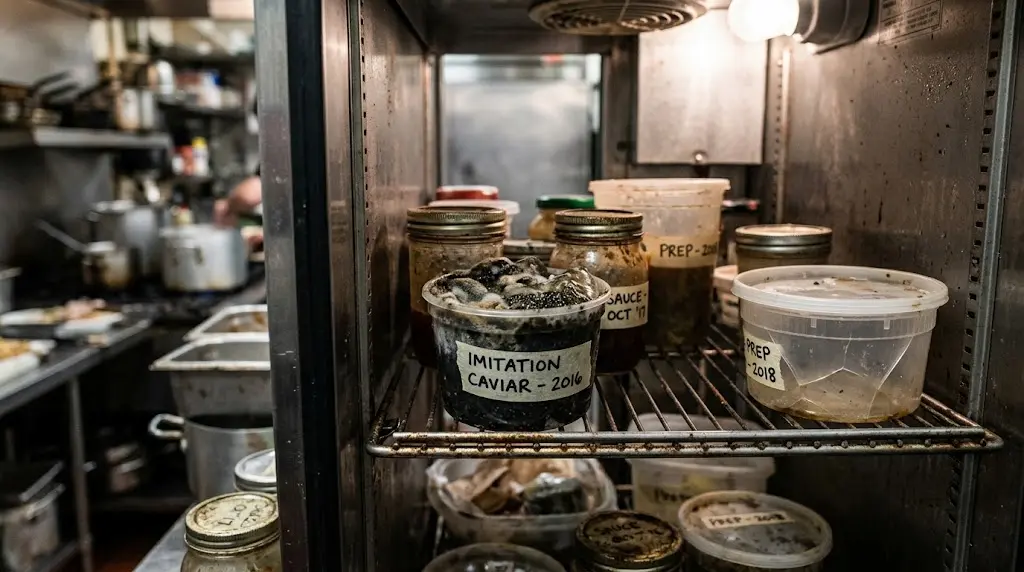
Every professional restaurateur knows that cold storage serves as the beating heart of any culinary establishment. Unfortunately, when management loses control, walk-in coolers can transform from safe food-preservation units into toxic time capsules. This comprehensive breakdown explores the anatomy of that viral television moment, the serious health implications of neglected restaurant inventory, and the proven protocols kitchens must use to avoid similar disasters.
The Anatomy of a Restaurant Walk-in Disaster
Commercial refrigeration units are engineered to maintain steady, cold temperatures that inhibit bacterial growth and preserve ingredient integrity. When Chef Ramsay investigates a failing restaurant, he frequently uncovers severe lapses in basic hygiene. In the case featuring the ancient jar of synthetic fish roe, the discovery highlighted an extreme lack of supervision. Items pushed into the dark, forgotten corners of a basement cooler often sit untouched for years while fresh ingredients are stacked haphazardly on top.
As a result, viewers around the world were left wondering how any kitchen team could allow inventory to linger for nearly a decade. Therefore, this viral reality TV moment sparked widespread debate across culinary forums regarding inventory rotation methods, First-In, First-Out (FIFO) principles, and fundamental sanitation rules. Without strict, recurring inventory audits, forgotten items quickly turn into breeding grounds for cross-contamination and dangerous pathogens.
“Everything you need to know about a restaurant’s operational discipline is hiding right inside its walk-in refrigerator.” — Professional Culinary Standards Review
Moreover, the presence of expired, specialty items points to a deeper psychological avoidance among kitchen management. When owners feel crushed by mounting financial pressure, they frequently shut down mentally, abandoning routine cleaning tasks. Consequently, health risks multiply exponentially, endangering every single patron who walks through the front door for a meal.
Understanding Food Safety Risks in Neglected Refrigerators
Leaving any food item—let alone a preserved or synthetic product—in cold storage for eight years defies basic logic and safety regulations. While high-sodium and preserved items resist immediate decomposition, long-term refrigeration does not guarantee indefinite edibility. Moisture fluctuations, unexpected power interruptions, and cross-contamination from neighboring raw proteins can compromise any sealed container over an extended timeline.
In addition, modern health codes require strict labeling and dating procedures for every single ingredient prepared or stored on-site. When health inspectors encounter unlabelled or ancient items during a routine check, they issue immediate violations. For instance, storing raw poultry above ready-to-eat items—another major issue frequently exposed on reality television—creates immediate risks for foodborne illnesses like salmonella or E. coli.
| Storage Issue | Potential Hazard | Recommended Protocol |
|---|---|---|
| Ancient Expired Goods (e.g., 8-Year Items) | Chemical breakdown, rancidity, mold infiltration | Immediate disposal following strict FIFO guidelines |
| Improper Shelf Placement | Cross-contamination via dripping juices | Raw meats on bottom shelves, produce on top |
| Unlabeled Containers | Uncertain shelf life and allergen risks | Mandatory prep-dating and clear labeling systems |
Furthermore, restaurant operators must recognize that synthetic items or imitation caviors contain oils, thickeners, and colorants that degrade over time. Although they may not spoil as quickly as fresh fish, their chemical composition alters significantly, leading to off-flavors, rancidity, and total texture collapse.
The Psychological Toll and Operational Fatigue
Behind every shocking television refrigerator reveal lies a human story of burnout, stress, and denial. When daily business operations become overwhelming, managerial oversight often collapses completely. Owners retreat upstairs to manage the front-of-house dining room while completely ignoring the dark, forgotten corners of basement prep areas and storage rooms.
Consequently, staff members adopt a culture of indifference. If leadership fails to inspect the walk-in cooler, employees see no reason to deep-clean or discard expired inventory. This systemic breakdown creates an environment where bizarre anomalies—such as finding ancient jars of imitation roe—can persist unnoticed for years.
“Neglect in a commercial kitchen rarely happens overnight; it is the cumulative result of prolonged operational fatigue and avoided responsibilities.” — Restaurant Management Insights
To prevent such catastrophes, successful hospitality groups implement mandatory weekly checklists. By holding kitchen teams accountable, management ensures that nothing escapes review, protecting both the business reputation and public health.
Frequently Asked Questions
What restaurant featured the 8-year-old fake caviar on Kitchen Nightmares?
The famous incident occurred at Kati Allo, a Greek family-run restaurant located in Flushing, Queens, New York, during Season 7 of Kitchen Nightmares.
Is it safe to consume canned or jarred items kept in a fridge for years?
No. Even sealed jars can degrade over extended periods due to temperature fluctuations, seal breakdown, and chemical changes in the product.
What is the proper way to manage restaurant inventory rotation?
Kitchens should strictly enforce the First-In, First-Out (FIFO) method, labeling every container with clear preparation and expiration dates to avoid forgotten stock.
How did Gordon Ramsay react to the discovery?
Chef Ramsay expressed utter shock and disbelief at the state of the walk-in refrigerator, using the discovery to emphasize the critical need for basic hygiene and accountability.
Conclusion and Next Steps for Modern Kitchens
The viral discovery of forgotten inventory on reality television serves as an unforgettable cautionary tale for the entire food service industry. Maintaining rigorous sanitation standards requires daily vigilance, transparent communication, and unyielding leadership. By learning from these extreme examples, modern restaurateurs can safeguard their patrons and uphold the highest standards of culinary excellence.
Ready to elevate your operational standards and master professional kitchen management? Subscribe to our global industry newsletter today for expert guides, sanitation checklists, and proven strategies delivered straight to your inbox!