

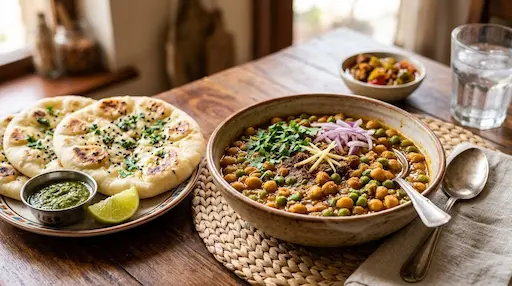
Craving the vibrant, mouth-watering street food of North India without stepping out of your kitchen? Making easy chhole matar kulche at home is simpler than you think, bringing the iconic flavors of Delhi straight to your dining table. Whether you are hosting a weekend gathering or simply want a comforting, nostalgia-inducing meal, this foolproof guide breaks down every step to help you achieve authentic results.
Street food holds a special place in global culinary culture, blending complex layers of spice, tang, and texture into an unforgettable experience. However, recreating these legendary street-side delicacies often feels intimidating to home cooks. Therefore, we have streamlined the process, ensuring that you can whip up soft, buttery flatbreads and tangy, spiced white peas with minimal fuss and maximum flavor.
Understanding the Magic of Authentic Matar and Kulche
To truly master this dish, you must first understand its core components. Unlike traditional chickpea curries, authentic Delhi-style chhole matar utilizes dried white peas, known locally as safed matar or vatana. These peas are soaked, boiled until tender, and then tossed with a zesty medley of fresh onions, tomatoes, and aromatic spices.
When paired with soft, spongy leavened flatbreads—the kulchas—the flavor profile explodes with a balance of heat, sweetness, and sourness. Culinary historians note that this combination became popular due to its affordability, nutritional density, and incredible comfort value. According to cultural food studies on platforms like VegRecipesOfIndia, street vendors perfected this balance over decades using tamarind water and roasted cumin.
“The secret to a great plate of street-style matar lies in the contrast between the warm, spiced white peas and the crisp, cold crunch of raw onions and fresh coriander.” — Culinary Heritage Journal
Essential Ingredients for Your Home Kitchen
Gathering your ingredients ahead of time ensures a smooth, stress-free cooking process. You do not need professional restaurant equipment, but having fresh pantry staples is vital. Let us review the primary ingredients required for both the tangy pea curry and the homemade soft flatbreads.
For the matar (white pea curry), you will need dried white peas, tamarind pulp, roasted cumin powder, black salt, and fresh green chilies. For the kulcha dough, keep all-purpose flour, active dry yeast, a pinch of sugar, yogurt, and ghee ready. Furthermore, keeping finely chopped tomatoes, julienned ginger, and fresh mint leaves on hand will elevate your final presentation.
| Component | Key Ingredients | Preparation Tip |
|---|---|---|
| Safed Matar (White Peas) | Dried white peas, turmeric, bay leaf | Soak overnight for at least 8 hours for even softening. |
| Spice & Tang Blend | Tamarind extract, chaat masala, roasted cumin | Adjust tanginess to taste using fresh lemon juice. |
| Kulcha Flatbread | All-purpose flour, yeast, yogurt, butter | Allow the dough to ferment properly for a spongy texture. |
Step-by-Step Guide: Preparing the Spiced White Peas
The first major phase of your cooking journey involves preparing the base curry. Proper boiling is essential because the peas must break down slightly while retaining a pleasant, chunky texture. Let us break down this process into manageable steps.
- Soaking: Rinse one cup of dried white peas thoroughly and soak them in ample water overnight or for a minimum of 8 hours.
- Boiling: Transfer the soaked peas to a pressure cooker along with fresh water, a pinch of turmeric, and salt. Cook for 4 to 5 whistles until soft.
- Assembling: Once cooked, transfer the peas to a wide pan or mixing bowl. Gently mash a small portion of them to achieve that classic velvety, street-style consistency.
- Seasoning: Stir in tamarind pulp, roasted cumin powder, chaat masala, black salt, and finely chopped green chilies. Simmer for five minutes so the flavors meld together.
In addition to these steps, garnishing plays a critical role in visual and flavor appeal. Always top your warm matar with a generous handful of freshly diced onions, juicy tomatoes, bright coriander leaves, and thin ginger juliennes just before serving.
Baking Soft and Fluffy Kulchas at Home
While you can purchase store-bought flatbreads, making your own kulchas takes this meal from ordinary to extraordinary. The dough requires a simple pre-ferment or khameer to develop that signature airy, pillowy crumb structure.
Mix warm water, a teaspoon of sugar, and active dry yeast in a bowl, letting it sit until frothy. Next, combine this mixture with all-purpose flour, a spoonful of yogurt, and a touch of salt. Knead the dough until smooth, incorporate a tablespoon of ghee, and let it rise in a warm spot until doubled in volume.
“Fermentation is not just a scientific reaction; it is the heartbeat of traditional baking that creates the delicate air pockets essential for a great flatbread.” — Modern Baking Insights
When ready to cook, roll the dough into oval shapes, sprinkle nigella seeds and dried fenugreek leaves on top, and press them lightly. Cook the flatbread on a hot griddle, trapping steam by covering it briefly with a lid to ensure a soft, pliable texture.
Common Pitfalls to Avoid When Making Street Food at Home
Even with simple recipes, minor mistakes can impact the final dish. To ensure your culinary success, keep these expert tips in mind:
- Skipping the Soaking Step: Never attempt to boil unsoaked dried white peas, as they will remain hard and ruin the texture.
- Over-mashing the Peas: Keep the curry slightly chunky rather than pureeing it completely into soup.
- Rushing Fermentation: Give your kulcha dough adequate time to rise so the bread stays light instead of dense and rubbery.
- Ignoring Acid Balance: Balance the heat of the green chilies with enough tamarind or lemon juice for that signature tangy punch.
By keeping these guidelines in mind, you will consistently produce professional-grade street food right in your own kitchen. Furthermore, your family and guests will appreciate the authentic depth of flavor.
Frequently Asked Questions
1. Can I substitute white peas with regular chickpeas?
Yes, while traditional recipes use safed matar, you can use regular chickpeas if white peas are unavailable. However, the texture and authentic street flavor will vary slightly.
2. How long does the kulcha dough need to ferment?
For best results, let the dough ferment overnight or for at least 6 to 8 hours in a warm environment to develop proper air pockets and softness.
3. Is this recipe very spicy?
The spice level is completely customizable. You can easily reduce the amount of green chilies and red chili powder to suit your personal preference.
4. Can I make the matar curry ahead of time?
Absolutely! In fact, letting the matar sit for a few hours allows the spices to infuse deeper into the peas, making it taste even better upon reheating.
Conclusion
Recreating the magic of Indian street food at home is a rewarding culinary adventure that brings people together over incredible flavors. By mastering the preparation of spiced white peas and soft, homemade flatbreads, you can enjoy restaurant-quality meals whenever cravings strike.
Are you ready to test your skills in the kitchen and whip up a batch of delicious homemade treats? Try this recipe today, share your results with fellow food enthusiasts, and let us know your favorite ways to customize your meal!