

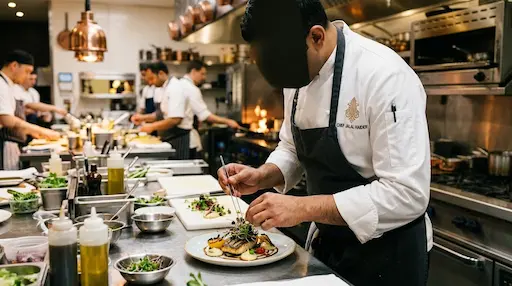
Culinary mastery requires a delicate balance of science, passion, and deep-rooted cultural respect, which is something renowned culinary expert Chef Jalal Haider has championed throughout his illustrious career. In this exclusive interview, we sit down with the visionary founder of the 7 Chefs Institute of Culinary Arts and television favorite to explore the nuances of seafood preparation, modern kitchen innovations, and the evolving landscape of global gastronomy. Whether you are an aspiring home cook or a seasoned kitchen professional, understanding the philosophy of Chef Jalal Haider can completely transform how you approach cooking today.
The Journey and Vision of Chef Jalal Haider
Every great chef has a foundational story that shapes their signature cooking style. For Chef Jalal Haider, television shows like Aaj Ka Tarka and Kitchen Ka Champion on Aaj Entertainment served as vibrant platforms to share authentic flavors with millions. However, his true passion lies in institutional education and elevating professional standards across the culinary world. Established to train the next generation of culinary talents, his institute emphasizes that precision and respect for ingredients are paramount. Therefore, mentoring young minds remains his most rewarding professional endeavor.
“Cooking is never just about feeding people; it is about respecting the life of the ingredient and transforming it into an unforgettable sensory experience.” — Chef Jalal Haider
Furthermore, culinary education in South Asia has experienced a remarkable shift over the past decade. As global food standards rise, institutions must adapt to modern dietary preferences. Chef Jalal Haider notes that contemporary students possess a unique eagerness to blend traditional heritage techniques with contemporary international presentations.
Mastering Seafood: Techniques and Secrets
Seafood remains one of the most delicate proteins to handle in professional kitchens. During our discussion, Chef Jalal Haider shared expert tips on selecting the freshest catch, mastering precise cooking temperatures, and preserving natural oceanic flavors without overpowering them with heavy spices. Freshness can be identified through clear eyes, firm flesh, and a clean, briny aroma rather than a fishy smell.
When preparing finfish or crustaceans, overcooking is the single most common mistake made in home kitchens. As a result, mastering flash-searing, steaming, and gentle poaching is essential for maintaining moisture and tenderness. In addition, pairing seafood with complementary citrus notes or subtle herbal infusions elevates the dish effortlessly.
| Seafood Type | Recommended Cooking Method | Ideal Internal Temperature |
|---|---|---|
| White Fish Fillets | Pan-searing or Baking | $60^\circ\text{C}$ to $63^\circ\text{C}$ |
| Shellfish (Shrimp/Prawns) | Quick Stir-fry or Grilling | $54^\circ\text{C}$ to $57^\circ\text{C}$ |
| Oily Fish (Salmon) | Pan-roasting or Broiling | $58^\circ\text{C}$ to $60^\circ\text{C}$ |
The Evolution of Modern Kitchens and Media
Television and digital media have revolutionized how recipes reach everyday households. Through popular cooking shows and broadcasts on networks like Aaj Entertainment, culinary experts have successfully brought restaurant-quality techniques into home kitchens. Chef Jalal Haider emphasizes that accessible media fosters a culture of culinary experimentation.
However, modern cooking is also facing unique challenges, including sustainability and responsible sourcing. Industry leaders advocate for sustainable seafood practices to protect marine ecosystems for future generations. Consequently, modern chefs carry the ethical responsibility of educating consumers on eco-friendly dining choices.
“A great chef listens to the market, but a legendary chef respects the ocean and ensures that our culinary choices protect our natural resources.” — Chef Jalal Haider
Advice for Aspiring Chefs and Culinary Enthusiasts
Breaking into the competitive culinary industry demands more than just basic knife skills. Aspiring professionals must cultivate patience, resilience, and an insatiable curiosity about global food cultures. According to insights shared by culinary institutions like the 7 Chefs Institute of Culinary Arts, foundational discipline sets successful cooks apart from casual hobbyists.
Moreover, embracing constructive criticism in a professional kitchen accelerates skill development. Every mistake serves as an invaluable lesson that brings a cook one step closer to mastery. Therefore, young culinary artists should remain humble and eager to learn from every station in the kitchen.
Frequently Asked Questions
Who is Chef Jalal Haider?
Chef Jalal Haider is a prominent Pakistani celebrity chef, television host known for shows like Aaj Ka Tarka, and the founder of the 7 Chefs Institute of Culinary Arts.
What are Chef Jalal Haider’s top tips for cooking seafood?
He emphasizes avoiding overcooking, prioritizing absolute freshness, and using subtle herbal or citrus infusions to enhance natural flavors rather than masking them.
Where can I watch cooking programs featuring Chef Jalal Haider?
His popular cooking segments and shows have been broadcast across networks such as Aaj Entertainment and Zaiqa TV.
Conclusion
The culinary philosophy of Chef Jalal Haider bridges the gap between traditional heritage recipes and modern professional standards. Through dedication, continuous education, and a deep respect for ingredients like seafood, he continues to inspire both home cooks and professional chefs across the globe.
Ready to elevate your culinary skills and explore expert recipes? Start experimenting with fresh ingredients today, and subscribe to our blog for more exclusive chef interviews and professional kitchen secrets!