

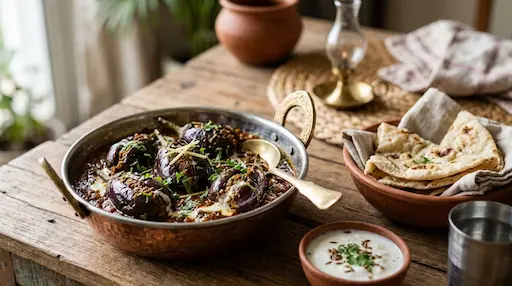
If you have ever wanted to transform humble eggplants into a masterpiece, mastering the legendary bharwan baingan sanjeev kapoor khazana recipe is your definitive gateway to culinary excellence. Master Chef Sanjeev Kapoor has long revolutionized Indian home cooking, turning everyday vegetables into restaurant-quality centerpieces through brilliant spice layering and meticulous technique. Whether you are planning a cozy family dinner or a vibrant weekend feast, this iconic stuffed eggplant dish promises a symphony of tangy, spicy, and savory notes that will convert even the most stubborn eggplant skeptics.
Cooking authentic Indian comfort food requires more than just following steps; it demands an understanding of how spices interact with heat and texture. Therefore, this comprehensive guide breaks down everything you need to know about preparing Chef Kapoor’s signature style. From selecting the right tender brinjals to balancing dry mango powder with rich tomato gravies, let us dive deep into the art of making the perfect stuffed baingan.
Why Chef Sanjeev Kapoor’s Stuffed Eggplant Stands Out
Indian culinary traditions feature dozens of regional variants for stuffed vegetables, yet the Sanjeev Kapoor Khazana formulation remains a gold standard for home cooks. By combining small tender brinjals with a vibrant dry or semi-gravy spice blend, this recipe bridges the gap between traditional rustic flavors and modern presentation. According to culinary heritage insights, mastering stuffed vegetable preparations highlights a cook’s ability to balance moisture, spice absorption, and cooking duration without breaking the delicate structure of the vegetable.
Furthermore, the secret lies in the precise blend of everyday pantry staples like coriander powder, turmeric, red chilli powder, and amchur (dry mango powder), elevated by the rich aroma of mustard oil or a nutty peanut paste. When executed correctly, each bite releases a burst of concentrated flavor that complements warm phulkas, tandoori rotis, or fragrant jeera rice seamlessly.
“The magic of Indian vegetarian cooking rests entirely on how well spices infuse into the core of the vegetable, turning simple produce into an unforgettable sensory experience.” — Sanjeev Kapoor Khazana Culinary Archives
Essential Ingredients for the Perfect Bharwan Baingan
To recreate the authentic taste of the masterclass recipe, ingredient selection is paramount. You want to source fresh, glossy, and tender small-sized brinjals that are free of blemishes and bitterness. Here is a breakdown of what you will need in your kitchen before you begin prepping.
- Small Brinjals: 10 to 12 tender, fresh small eggplants with stems intact.
- Spice Base: 1 tablespoon coriander powder, 1 teaspoon red chilli powder, and 1/2 teaspoon turmeric powder.
- Tangy Kick: 1 teaspoon dried mango powder (amchur) to provide that signature sharp zest.
- Aromatics & Gravy Elements: 2 medium onions (finely grated), 1 cup fresh tomato puree, finely chopped garlic cloves, and a pinch of asafoetida (hing).
- Cooking Medium: Robust mustard oil or high-smoke-point vegetable oil for traditional depth of flavor.
For a deeper dive into regional variations, you can explore the official Sanjeev Kapoor Bharwan Baingan Recipe for precise proportions and alternative fillings like roasted peanuts.
Step-by-Step Cooking Method
Precision is key when preparing stuffed dishes. Follow these step-by-step instructions carefully to ensure your eggplants remain intact while absorbing maximum flavor.
- Prep the Brinjals: Trim the stems of the small brinjals and make deep cross incisions from the bottom to the center, taking care not to cut completely through. Immerse them in salted water to prevent discoloration and bitterness.
- Mix the Dry Masala: In a clean mixing bowl, combine salt, red chilli powder, turmeric powder, coriander powder, dry mango powder, and premium garam masala. Mix thoroughly to distribute the spices evenly.
- Stuff the Eggplants: Gently open the slits of each drained brinjal and stuff a generous portion of the dry spice mixture inside. Reserve any leftover spice blend for the gravy.
- Shallow Fry: Heat mustard oil in a non-smoking pan over high heat, reduce the flame, and gently place the stuffed brinjals in. Rotate them every few minutes until they are lightly blistered and partially cooked.
- Build the Gravy Base: In the remaining oil, sauté grated onions with a pinch of asafoetida until golden brown. Add minced garlic, cumin seeds, and fresh tomato puree. Cook until the oil separates from the masala.
- Simmer to Perfection: Stir the reserved spice mix into the tomato gravy, lay the shallow-fried brinjals on top, cover tightly, and let everything simmer on low heat for 10 minutes until tender.
Comparison: Dry Spice Stuffing vs. Peanut-Coconut Masala
Depending on which regional spin of the Sanjeev Kapoor Khazana library you choose, stuffing profiles can vary significantly. Review this comparison table to decide which version suits your palate best:
| Stuffing Style | Primary Ingredients | Flavor Profile | Best Paired With |
|---|---|---|---|
| North Indian Dry Spice & Tomato | Amchur, coriander powder, tomato puree, onion | Tangy, spicy, and tomato-rich gravy | Tandoori Roti or Naan |
| Maharashtrian Peanut & Goda Masala | Crushed peanuts, fresh coconut, tamarind, jaggery | Nutty, sweet-and-sour depth | Steamed Basmati Rice or Bhakri |
As you can see, both variations offer unique characteristics while maintaining the core philosophy of meticulous stuffing and slow cooking. You can easily switch between them depending on whether you want a rich tomato-based curry or a thick, nutty coating.
Expert Tips for Flawless Results Every Single Time
Even seasoned home cooks occasionally run into texture issues when cooking whole eggplants. Keep these expert strategies in mind to guarantee success:
- Check for Freshness: Always select firm brinjals that feel heavy for their size and have bright green stems. Spongy or wrinkled skin indicates age and bitterness.
- Control the Heat: Slow simmering is crucial. Rushing the cooking process will leave the core of the eggplant tough while burning the outer skin.
- Balance the Tang: Adjust the amount of dry mango powder or tamarind based on the natural sweetness of your tomatoes and onions.
“Patience is the ultimate ingredient in Indian cooking. Allowing your stuffed vegetables to simmer gently in their own steam creates textures that high heat can never replicate.” — Global Gastronomy Insights
For more inspiration on pairing this dish with other vegetarian masterpieces, check out expert resources like the Sanjeev Kapoor YouTube Channel for visual demonstrations.
Frequently Asked Questions
How do I prevent brinjals from turning bitter?
Soaking the slit brinjals in salted water for 15 to 20 minutes before stuffing effectively draws out excess bitter juices and keeps the flesh bright.
Can I make this recipe without onion and garlic?
Yes, you can easily adapt the recipe into a satvik version by omitting onions and garlic, relying instead on tomatoes, ginger, and a rich cashew or peanut paste for body.
What is the best way to store leftover bharwan baingan?
Store leftovers in an airtight glass container in the refrigerator for up to 2 days. Reheat gently on the stove with a splash of water to restore moisture.
Conclusion
Mastering the bharwan baingan sanjeev kapoor khazana recipe elevates your everyday cooking into an art form. By combining thoughtful spice layering, proper vegetable selection, and patient simmering, you can recreate restaurant-standard magic right in your home kitchen. Embrace these techniques, experiment with your favorite spice blends, and enjoy the wonderful compliments that will follow.
Ready to impress your family with a stellar dining experience? Head to your kitchen, gather your fresh ingredients, and start crafting your ultimate batch of stuffed baingan today!