

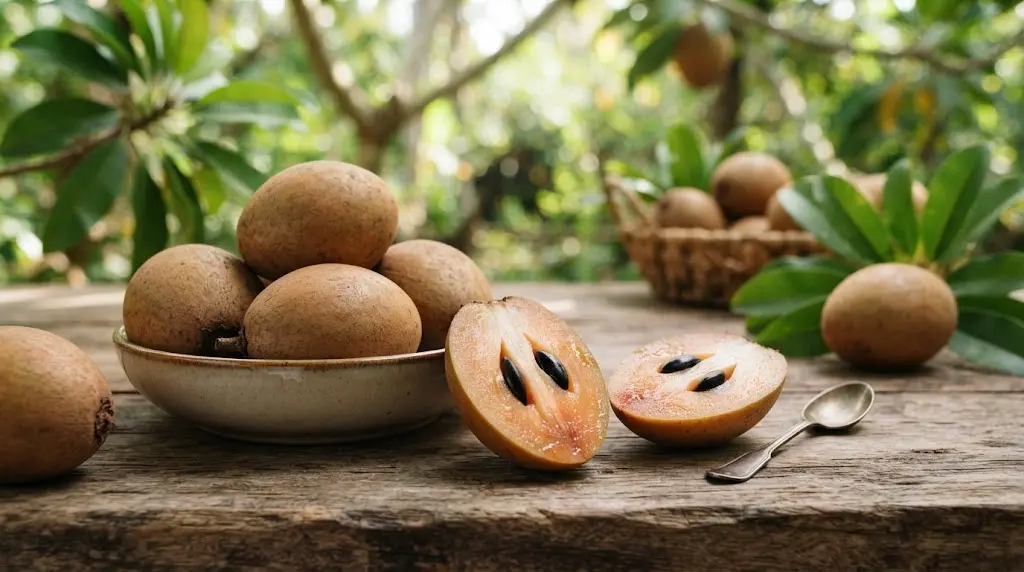
Have you ever tasted a fruit that reminds you of caramel, brown sugar, and cinnamon all at once? If not, you are missing out on one of nature’s most delicious and nutrient-dense treasures: the sapodilla. Often known by its common name, “chikoo,” this tropical fruit is more than just a sweet treat. The benefits of sapodilla extend far beyond its unique, malty flavor, making it a powerful addition to a balanced diet.
Native to southern Mexico and Central America, sapodilla has gained global popularity for its impressive nutritional profile. Whether you are looking to improve your digestive health, boost your immunity, or find a natural energy source, this fruit delivers. In this comprehensive guide, we will explore why nutritionists and health enthusiasts are increasingly turning their attention to this unassuming brown-skinned fruit.
What is Sapodilla?
Sapodilla (Manilkara zapota) is a long-lived, evergreen tree that produces a berry-like fruit. While its outer skin may look somewhat plain—often resembling a kiwi or a potato—its interior is a different story. The flesh is soft, juicy, and incredibly sweet, with a texture often compared to a pear or a peach soaked in brown sugar.
Beyond the culinary appeal, it is a powerhouse of essential vitamins and minerals. It is rich in dietary fiber, vitamin C, vitamin A, and antioxidants. As we delve deeper into the science, you will see why incorporating this fruit into your routine can lead to tangible improvements in your daily wellness.
The Nutritional Powerhouse
To understand the benefits of sapodilla, we must look at what is inside. It is not just about the taste; it is about the dense concentration of micronutrients that support bodily functions. According to nutritional research, sapodilla provides a significant amount of energy thanks to its natural sugar content, but it balances this with essential fiber.
Key Nutritional Components
- Dietary Fiber: Essential for digestive regularity and gut health.
- Vitamin C: A potent antioxidant that bolsters the immune system.
- Vitamin A: Critical for vision health and skin maintenance.
- Potassium: Vital for heart health and blood pressure regulation.
- Antioxidants: Polyphenols that combat oxidative stress.
“Sapodilla is an excellent source of dietary fiber, which aids in improving digestion and preventing constipation. The fiber content helps regulate bowel movements by adding bulk to the stool, making it easier to pass.” — Source: ManipalCigna
Top Health Benefits of Sapodilla
The health benefits of sapodilla are diverse, touching on everything from internal metabolic processes to external aesthetics. Let’s break down the primary ways this fruit supports your health.
1. Exceptional Digestive Support
If you struggle with digestive issues, sapodilla might be your new best friend. It is packed with dietary fiber, which acts as a natural laxative. By adding bulk to your stool and facilitating smoother bowel movements, it effectively helps prevent constipation. Regular consumption can support a healthy gut microbiome, which is foundational for overall health.
2. Immune System Boost
In our modern world, maintaining a strong immune system is paramount. The high levels of vitamin C and other antioxidants found in the fruit help neutralize harmful free radicals. This process reduces inflammation and protects the body from common infections. By including it in your diet, you provide your body with the ammunition it needs to stay resilient.
3. Promotes Bone Health
Many people overlook the importance of fruit for skeletal strength, but sapodilla is a great contributor. It contains essential minerals like calcium, phosphorus, and iron. These minerals are crucial for maintaining bone density and preventing the onset of age-related bone diseases. It is a simple, natural way to support your physical framework.
4. Natural Energy Enhancer
Need a pick-me-up? The fruit is loaded with fructose and sucrose, which provide an instant energy boost. Unlike processed energy drinks or sugary snacks that cause an inevitable “crash,” the fiber content in sapodilla helps regulate the release of these sugars. This makes it an ideal pre-workout snack or a mid-afternoon healthy treat.
5. Skin and Eye Vitality
The presence of vitamin A is a major contributor to the skin and eye benefits of sapodilla. Vitamin A is well-documented for its role in maintaining healthy vision and preventing age-related macular degeneration. Furthermore, the antioxidants and vitamins nourish the skin, promoting a healthy complexion and potentially reducing signs of aging.
Comparison of Key Nutrients
| Nutrient | Health Impact |
|---|---|
| Fiber | Regulates digestion, gut health |
| Vitamin C | Immune defense, collagen production |
| Vitamin A | Vision health, skin rejuvenation |
| Potassium | Blood pressure, heart function |
“Sapodilla provides many health benefits such as boosting eye health, strengthening bones, improving skin and immune system, and reducing inflammation, fatigue, and stress.” — Source: Scribd Nutritional Review
How to Select and Store Sapodilla
Choosing the right fruit is essential to enjoying its full potential. A ripe sapodilla should yield slightly to thumb pressure, similar to a ripe avocado or a peach. If the fruit feels rock-hard, it is likely unripe. You can leave firm fruit on the counter at room temperature for a few days to ripen.
Once the fruit reaches peak ripeness, it becomes highly perishable. You should store ripe fruit in the refrigerator, where it will stay fresh for up to a week. To eat, simply cut it in half, scoop out the seeds (which are not edible), and eat the flesh with a spoon. You can also incorporate it into smoothies, yogurt bowls, or fruit salads for a sweet, malty kick.
Precautions and Considerations
While the benefits of sapodilla are numerous, moderation is key. Because it is high in natural sugars, those monitoring their blood sugar levels—such as individuals with diabetes—should consume it in controlled portions. Excessive intake might lead to rapid spikes in blood sugar.
Additionally, some individuals may experience digestive discomfort if they overconsume the fruit due to its high fiber content. If you are new to high-fiber fruits, start with small servings to see how your body reacts. As always, consult with a healthcare professional if you have specific dietary restrictions or concerns.
Frequently Asked Questions
Is sapodilla safe for diabetics?
Sapodilla has a natural sugar content that can impact blood glucose levels. While it contains fiber, diabetics should consume it in moderation and consult their physician to ensure it fits into their specific dietary plan.
Can I eat the seeds of the sapodilla?
No, you should not eat the seeds. They have a hook-like end that can be dangerous if swallowed and are not intended for consumption. Always remove the seeds before eating the flesh.
Does sapodilla help with weight loss?
The high fiber content can help you feel full, which may assist in weight management. However, because it is energy-dense, it should be eaten as part of a balanced, calorie-controlled diet.
What does sapodilla taste like?
Many describe the taste as a mix of brown sugar, cinnamon, pear, and caramel. The texture is soft, grainy, and juicy, making it a favorite for those who enjoy sweet, tropical flavors.
How often should I eat sapodilla?
You can enjoy sapodilla as part of a varied fruit intake. Eating it a few times a week provides excellent nutritional benefits without overdoing the sugar intake.
Conclusion
The benefits of sapodilla make it a standout choice for anyone looking to diversify their fruit intake with something both nutritious and delicious. From its ability to soothe the digestive tract to its potent immune-boosting properties, this tropical gem truly earns its status as a superfood.
Ready to experience the unique flavor and health advantages of sapodilla for yourself? The next time you are at the market, look for this brown, unassuming fruit and give it a try. Your body—and your taste buds—will thank you. Do you have a favorite way to prepare sapodilla, or a question about how to include it in your diet? Let us know in the comments below!