

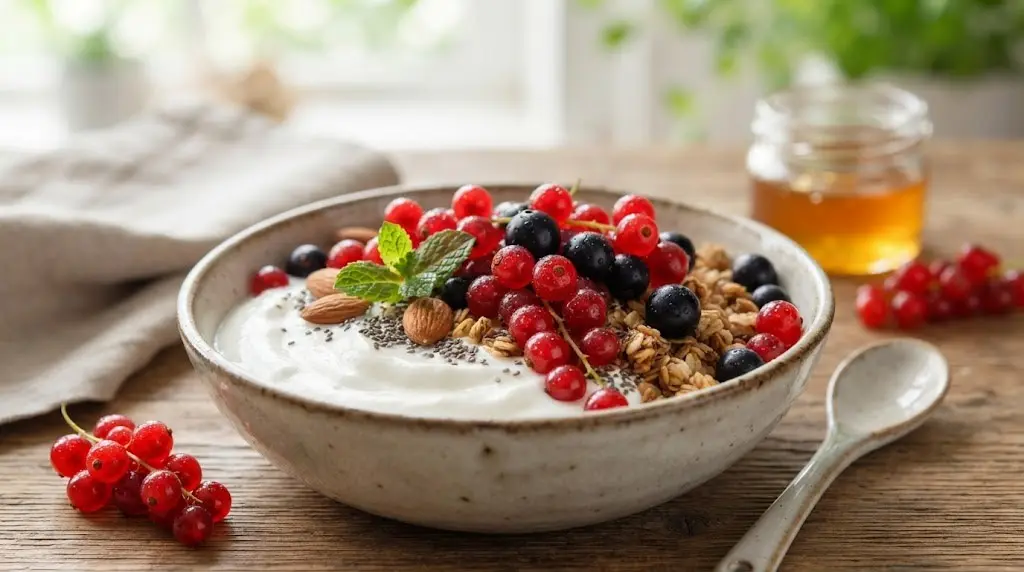
When you walk through the produce aisle or browse the frozen fruit section, you might overlook the small, dark, and often misunderstood berry sitting quietly in the corner. However, the health benefits of black currants make them one of the most potent, yet underutilized, superfoods on the planet. Often overshadowed by flashier berries like blueberries or acai, the black currant (Ribes nigrum) packs a nutritional punch that stands in a league of its own.
Whether you are looking to bolster your immune system, improve your vision, or simply add a burst of tart flavor to your morning smoothie, these berries offer something for everyone. They aren’t just a snack; they are a concentrated source of wellness. In this guide, we will explore the science behind these dark gems, why they deserve a permanent place in your kitchen, and exactly how they impact your body’s longevity.
What Are Black Currants and Why Are They Special?
Before diving into the benefits, it is crucial to clarify what we are talking about. True black currants are part of the Ribes family, native to northern Europe and Asia. It is easy to get confused because “currants” in some regions, particularly in the United States, often refer to “Zante currants”—which are actually just dried Corinth grapes. However, the true botanical black currant is a distinct berry with a deep, tangy, and complex flavor profile.
Unlike their grape-based namesakes, black currants are a nutritional powerhouse. They are incredibly rich in anthocyanins—the pigments responsible for their deep purple-black hue. These compounds aren’t just for color; they are powerful antioxidants that serve as the body’s first line of defense against oxidative stress. Furthermore, they contain a unique profile of vitamins and essential fatty acids that you simply won’t find in common table grapes.
The Nutritional Powerhouse: A Quick Breakdown
To understand why these berries are gaining traction in the health community, we must look at the data. They are remarkably low in calories yet dense in critical micronutrients. A single cup of fresh black currants provides a massive dose of Vitamin C—far exceeding that of an orange—alongside a complex array of minerals.
Nutritional Comparison: Black Currants vs. Other Berries
| Nutrient | Black Currants (per cup) | Common Benefits |
|---|---|---|
| Vitamin C | ~200mg+ (approx. 200-300% DV) | Immune system, collagen synthesis |
| Anthocyanins | Very High | Heart health, eye protection |
| Potassium | Moderate | Blood pressure regulation |
| GLA (Seeds) | Present | Inflammation reduction |
Source: Healthline Nutritional Analysis
Immune System Resilience: The Vitamin C Advantage
If you feel a cold coming on, most people instinctively reach for oranges or lemon tea. However, the health benefits of black currants include a vitamin C profile that blows standard citrus out of the water. With some varieties containing nearly three times the vitamin C of an orange, these berries are arguably the most effective natural immunity booster you can find.
“Few fruits measure up to the vitamin C content of black currants. With up to 200% of your daily value in a single cup, they function as a natural immunity booster that supports your body’s first line of defense.”
Beyond simple immune support, this high concentration of vitamin C plays a vital role in wound healing and iron absorption. By keeping your levels consistent through daily consumption, you aren’t just fighting off seasonal sniffles; you are proactively supporting your body’s cellular defense mechanisms against free radicals.
Cardiovascular Wellness and Blood Flow
Heart health remains a top priority for millions, and the anthocyanins in black currants are proving to be a game-changer. These plant pigments have been shown in various studies to support healthy blood vessel elasticity. When your blood vessels are flexible, your heart does not have to work as hard to pump blood throughout your body.
Additionally, black currants are rich in potassium. Potassium is an essential electrolyte that helps counterbalance the effects of sodium, which is often the primary driver of high blood pressure. By incorporating these berries into your routine, you are providing your cardiovascular system with a double layer of support: better vessel function and improved pressure regulation.
Vision Health: The “Computer Strain” Solution
In our digital-first world, eye fatigue is a common reality. Whether you spend hours staring at a screen for work or scrolling through your phone, your eyes pay the price. Interestingly, the health benefits of black currants extend directly to ocular health. The same anthocyanins that protect your heart appear to increase blood flow to the eyes.
Recent research suggests that black currant supplements may help alleviate symptoms of digital eye strain, such as dryness and fatigue. While no fruit can replace a proper break from the screen, adding a serving of these berries to your diet can provide the micro-nutrients necessary to keep your vision sharp and your eyes comfortable throughout a long day of work.
Combating Inflammation with GLA
One of the most unique aspects of the black currant—specifically its seeds—is the presence of gamma-linolenic acid (GLA). GLA is a type of omega-6 fatty acid that, unlike many other omega-6s, actually helps reduce inflammation in the body. This makes black currants a subject of interest for those dealing with joint pain, stiffness, or post-workout recovery.
Athletes and fitness enthusiasts often struggle with muscle soreness and lactic acid buildup. Because of the anti-inflammatory properties of GLA and various polyphenols, consuming black currant extract or whole berries after exercise can help accelerate recovery times. It is a natural alternative to synthetic anti-inflammatories, provided you are consistent with your intake.
“Black currant polyphenols help reduce lactic acid and inflammation post-workout, making them a secret weapon for runners and cyclists looking to improve their natural recovery speed.”
Skin Health and Anti-Aging Properties
The quest for healthy skin often leads us to expensive serums and creams. However, internal health is where it truly begins. Because black currants are loaded with antioxidants and vitamin C, they act as an internal shield against environmental stressors that cause premature skin aging.
Vitamin C is essential for collagen synthesis. Without enough of it, the body struggles to maintain the structure of your skin, leading to sagging and fine lines. By eating foods high in collagen-boosting nutrients, you are supporting your skin’s elasticity from the inside out. Furthermore, the GLA found in the berries can help combat redness and irritation, leaving your complexion looking clearer and more radiant.
How to Incorporate Black Currants Into Your Diet
Now that you understand the health benefits of black currants, you might be wondering how to actually eat them. Because they are quite tart, they are rarely eaten by the handful like blueberries or strawberries. Instead, think of them as a functional ingredient.
- Smoothies: Toss a half-cup of frozen black currants into your morning blend. Their tartness pairs perfectly with sweet bananas or almond milk.
- Teas and Infusions: Many health stores carry black currant tea. It is an excellent, caffeine-free way to get a quick dose of antioxidants.
- Yogurt Toppings: Drizzle a bit of black currant jam or a syrup concentrate over Greek yogurt for a low-sugar, high-nutrient breakfast.
- Natural Juices: If you find the berries too intense, a small glass of high-quality black currant juice can still provide significant benefits.
Remember, consistency is more important than quantity. You do not need to consume pounds of them daily to see results. A small, regular intake is usually sufficient to support your immune system and heart health over the long term.
Safety and Considerations
While these berries are incredibly healthy, it is important to be aware of certain interactions. Because black currants may have blood-thinning properties due to their specific fatty acid profile, individuals who are already on blood thinners or preparing for surgery should consult their doctor before adding high-potency supplements to their diet.
Additionally, those prone to digestive issues should introduce them gradually. Like many fiber-rich fruits, a sudden, large increase in intake can lead to mild digestive adjustments. Listen to your body and start with smaller servings to see how you respond.
Conclusion
The health benefits of black currants position them as a tier-one superfood. From their unrivaled vitamin C concentration to their proven ability to support heart and eye health, these dark berries are a simple, effective addition to a proactive wellness routine. They bridge the gap between delicious culinary ingredients and potent, science-backed nutrition.
Are you ready to give your health a boost? Start small: pick up a bag of frozen black currants or a bottle of high-quality juice this week. Your heart, eyes, and immune system will thank you for it. For more health tips and superfood guides, subscribe to our newsletter today and join our community of wellness-focused readers!
Frequently Asked Questions
Are black currants the same as the currants used in baking?
No. In the US, the “currants” found in cookies and cakes are usually dried Corinth grapes (Zante currants). Real black currants are a tart, nutrient-dense berry from the Ribes family, which are distinct in both flavor and nutritional composition.
Can I eat black currants every day?
Yes, for most people, they are a safe and healthy addition to a daily diet. They provide consistent antioxidants and vitamins. However, if you are on blood-thinning medication, please speak with your healthcare provider first.
Do black currants help with weight loss?
While they aren’t a “magic pill,” they are very low in calories and high in fiber, which can help you feel full longer. This makes them a great, nutrient-dense snack alternative to processed, high-sugar snacks.
What is the best way to consume them for maximum benefit?
Fresh or frozen berries offer the most fiber, while high-quality juices or concentrates are excellent for a quick boost of vitamin C. Try to avoid versions with added sugars to ensure you are getting the full health benefits without unnecessary empty calories.