

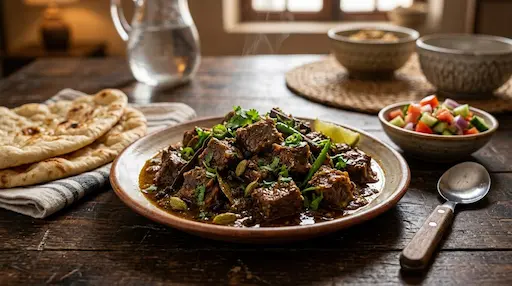
Are you ready to transform your dinner table with a culinary masterpiece that bridges traditional Middle Eastern comfort food and contemporary gourmet flair? When exploring flavorful meat dishes, the iconic beef nashif by faizan rehmat stands out as a true celebration of aromatic spices, tender meat, and an unexpected yet harmonious blend of sweet dates, crunchy nuts, and melted cheese. In this comprehensive guide, we will break down everything you need to know about preparing this remarkable dish, capturing the exact techniques popularized by expert culinary minds.
Traditional Middle Eastern cooking often relies on slow-cooked ingredients and rich spice blends. However, modern interpretations have introduced exciting textures that elevate everyday home cooking. Therefore, understanding the foundational principles of this unique dry-stew preparation will ensure your kitchen adventures result in restaurant-quality perfection every single time.
Understanding the Origins and Appeal of Nashif
To truly appreciate the beef nashif by faizan rehmat recipe, it helps to explore what “nashif” means in traditional culinary terms. In regional Arabic cooking, nashif generally refers to a dry or semi-dry stew where meat is cooked down with tomatoes, onions, and signature spice blends until most of the liquid reduces.
Unlike heavy, soupy broths, nashif dishes concentrate flavor directly onto the protein. As a result, every bite packs an intense punch of savory goodness. Renowned chefs often put their own spin on classic staples, turning regional comfort food into sophisticated, multi-textural experiences.
“Nashif is a celebration of reduction cooking, where spices bloom directly in the fats of the meat, creating a robust crust of flavor before the vegetables and sweetness are introduced.” — Culinary Heritage Journal
Essential Ingredients for Beef Nashif
Success in crafting this dish begins with gathering authentic, high-quality ingredients. Chef Faizan Rehmat’s signature take introduces a fascinating contrast of savory, sweet, and nutty elements that set it apart from standard preparations.
Let us examine the core components required for a successful batch:
- Beef (1 kg): Preferably sirloin cut into strips or tender cubes for optimal cooking.
- Aromatics & Vegetables: Chopped onions, fresh garlic cloves, and crisp capsicum (bell peppers).
- Tomatoes: Diced or chopped tomatoes that break down into a rich base sauce.
- Nuts: A rich medley of pine nuts, walnuts, and cashew nuts for crunch.
- Sweet Elements: Soft dates and rich date syrup to balance the savory spices.
- Dairy: Cubed or shredded mozzarella cheese for a decadent, creamy finish.
- Spices & Seasoning: Cumin powder, coriander powder, turmeric, white or black pepper, lemon powder, stock cubes, and salt.
For further inspiration on Middle Eastern meat preparations and culinary history, you can explore the Emirati La-Ham Nashif Overview to see how regional variations have evolved over generations.
Step-by-Step Cooking Methodology
Cooking this dish requires precision, timing, and attention to heat control. Because different ingredients require different cooking durations, dumping everything into the pan at once will ruin the texture. Follow these structured steps to achieve mastery.
Phase 1: Sautéing and Browning the Beef
Begin by heating oil in a deep skillet or pan. Add finely chopped garlic and sauté until it turns light golden. Next, introduce your beef strips. Cook them on a high flame until the meat changes color and browns nicely.
Once browned, season the beef with your dry spices: cumin, coriander, turmeric, lemon powder, white pepper, and salt. Dissolve a stock cube in water and pour it into the pan. Cover and let it simmer on low-to-medium heat until the liquid reduces and the meat becomes thoroughly tender.
Phase 2: Incorporating Tomatoes and Aromatics
When the water has nearly evaporated and the beef is fork-tender, add your chopped tomatoes. Sauté them on a high flame until they soften and blend into the meat juices without becoming completely mashed.
This creates that signature luscious coating characteristic of classic nashif recipes. In addition, the acidity of the tomatoes cuts through the richness of the meat, preparing your palate for the subsequent flavor layers.
Phase 3: Adding Textures, Nuts, and Sweetness
Now comes the signature twist that defines the beef nashif by faizan rehmat style. Toss in your chopped onions, capsicum, walnuts, cashews, pine nuts, soft dates, and date syrup.
Stir continuously over medium-high heat for about two minutes. The onions should remain slightly crisp and transparent, while the dates soften and impart a subtle, caramel-like sweetness that balances the earthy spices.
Phase 4: The Cheesy Finish
Finally, fold in the mozzarella cheese cubes or shreds. Sauté everything together for another one to two minutes until the cheese begins to melt, binding the nuts, meat, and sweet dates into a cohesive, decadent masterpiece.
Transfer the dish onto a warm serving platter, garnish generously with extra toasted pine nuts, and serve immediately while hot.
Nutritional Breakdown and Profile Comparison
Evaluating the nutritional and structural elements of this dish helps home cooks understand how protein, healthy fats, and natural sugars interact.
| Component Category | Key Ingredients | Primary Culinary Role |
|---|---|---|
| Protein Base | Beef Sirloin (1 kg) | Provides deep savory foundation and substance |
| Flavor & Acidity | Tomatoes, Lemon Powder, Garlic | Cuts richness and builds a robust sauce base |
| Texture & Crunch | Walnuts, Cashews, Pine Nuts | Adds contrasting mouthfeel and healthy fats |
| Sweetness & Finish | Dates, Date Syrup, Mozzarella | Balances spice heat and adds creamy binding |
For more detailed step-by-step demonstrations on preparing Middle Eastern comfort foods, check out the helpful cooking guides available at Cook with Faiza Beef Nashif Recipe.
“The magic of modern fusion comfort food lies in balancing contrasting flavor profiles—pairing savory meats with natural fruit sugars creates an unforgettable sensory experience.” — Global Gastronomy Review
Expert Tips for Success
To ensure your home cooking rivals professional execution, keep these expert tips in mind:
- Meat Selection: Always choose a tender cut like sirloin or tenderloin so the meat cooks quickly and remains juicy during reduction.
- Heat Management: Keep the heat high when adding vegetables and nuts at the end to prevent them from becoming soggy.
- Spice Freshness: Use freshly ground cumin and coriander for a vibrant aroma that elevates the dish beyond standard store-bought spice mixes.
Frequently Asked Questions
What is beef nashif?
Beef nashif is a traditional Middle Eastern dry stew where meat is cooked down with spices, tomatoes, and aromatics until rich and tender.
Can I substitute beef with chicken or lamb?
Yes, the nashif method works wonderfully with diced chicken breast, lamb pieces, or even seafood like shrimp.
Why are dates added to a savory beef dish?
Dates and date syrup provide a natural caramel sweetness that balances the robust, savory spices and lemon powder characteristic of this recipe.
What should I serve with beef nashif?
It pairs exceptionally well with fresh pita bread, naan, or warm butter basmati rice.
Conclusion
Mastering the art of preparing beef nashif by faizan rehmat opens up a whole new world of culinary excitement in your kitchen. By combining tender beef, aromatic Middle Eastern spices, crunchy nuts, and sweet dates, you create a dish that leaves a lasting impression on family and guests alike.
Ready to elevate your cooking game? Gather your ingredients, fire up your skillet, and try this incredible recipe tonight. Share your culinary results with us in the comments below or tag our community in your kitchen creations!