

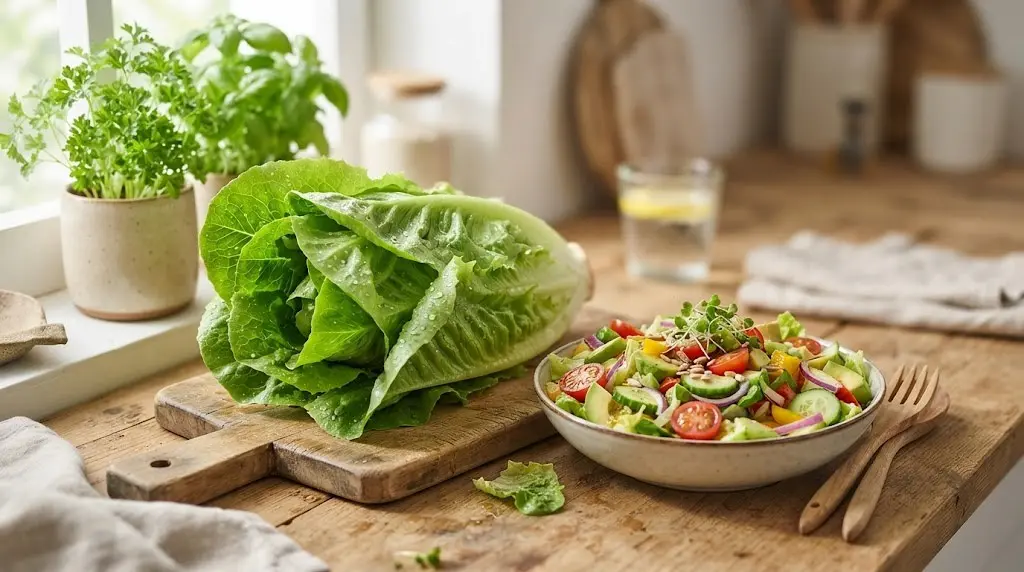
For decades, lettuce has suffered from a reputation as a mere “watery filler” in the culinary world. Many people assume that if a vegetable is mostly water, it must be devoid of nutritional value. However, modern nutritional science tells a very different story. The benefits of lettuce extend far beyond mere hydration, making this leafy green a foundational element of a health-conscious diet.
Whether you prefer the crisp snap of an Iceberg wedge or the nutrient-dense leaves of dark Romaine, integrating lettuce into your daily meals offers a surprising array of advantages. From supporting eye health and bone density to providing essential antioxidants that combat oxidative stress, this vegetable is a powerhouse of micronutrients. In this deep dive, we will explore why you should rethink your relationship with your salad greens.
The Nutritional Profile: What’s Really in Your Salad?
At its core, lettuce is indeed high in water—typically between 94% and 96%. Yet, this high water content is exactly what makes it so valuable for systemic hydration. Beyond the water, however, lies a complex matrix of vitamins, minerals, and bioactive compounds. According to research from the National Institutes of Health, lettuce serves as a significant source of nutraceutical compounds that support long-term physiological health.
Key nutrients found across most lettuce varieties include:
- Vitamin K: Essential for blood clotting and bone metabolism.
- Vitamin A (via beta-carotene): Crucial for maintaining vision and immune function.
- Vitamin C: A potent antioxidant that aids in skin health and immune defense.
- Folate (Vitamin B9): Important for DNA synthesis and cell division.
- Potassium: A mineral that helps maintain healthy blood pressure levels.
“Lettuce is a rich source of nutraceutical and pharmaceutical, antioxidants phytochemicals compounds which are rich in anticarcinogenic properties.” — ABR International Journal
Debunking the “Iceberg is Useless” Myth
One of the most persistent myths in the nutrition world is that Iceberg lettuce provides zero health benefits compared to darker greens. While it is true that darker lettuces like Romaine or Red Leaf contain higher concentrations of vitamins, Iceberg is not “nutritionally empty.”
Iceberg lettuce still offers Vitamin A, Vitamin K, and a refreshing crunch that encourages fiber-rich salad consumption. If adding Iceberg to your diet makes you more likely to eat a bowl of mixed vegetables, then it is providing a functional benefit by increasing your overall vegetable intake. However, for maximum nutritional density, variety is the golden rule.
Health Benefits of Lettuce
Eating lettuce regularly provides a range of benefits that impact almost every major system in the body. Below are the most significant advantages backed by research.
1. Cardiovascular Support
The fiber content in lettuce is a primary contributor to heart health. Soluble fiber helps lower cholesterol levels, which in turn reduces the risk of atherosclerosis. Furthermore, the antioxidants present in lettuce, such as polyphenols, help inhibit the oxidation of LDL cholesterol, a key factor in heart disease prevention.
2. Digestion and Gut Health
High water and fiber content are the perfect combination for digestive health. Fiber adds bulk to stool, while the water ensures it remains soft and easy to pass. This dual-action mechanism makes lettuce an excellent natural remedy for preventing constipation and supporting a regular digestive tract.
3. Weight Management
For those looking to manage their weight, lettuce is the ultimate low-calorie ally. It allows for large, satisfying portions that contribute to feelings of fullness without adding significant caloric load. By replacing higher-calorie ingredients with a large base of greens, you naturally reduce your overall energy intake.
Comparison: Lettuce Varieties at a Glance
Not all lettuces are created equal. Use this table to understand the nutritional hierarchy of common varieties.
| Type | Nutrient Density | Best For |
|---|---|---|
| Romaine | High (Vitamin A & K) | Caesar salads, grilling |
| Red Leaf | Very High (Antioxidants) | Sandwiches, mixed salads |
| Iceberg | Moderate (Hydration) | Crunchy wedges, burgers |
| Butterhead | High (Folate) | Lettuce wraps |
“Compared with green lettuce and red lettuce, some studies have reported that red lettuce has comparatively higher phenolic levels than green.” — Comprehensive Review on Lettuce, PMC
Culinary Versatility: Beyond the Salad Bowl
The benefits of lettuce are maximized when you move beyond the standard side salad. Because of its structural integrity, lettuce can replace refined carbohydrates in many meals. Using Romaine or Butterhead leaves as a “bun” for burgers or a wrap for taco fillings significantly lowers the glycemic impact of the meal.
Additionally, lightly sautéing or wilting lettuce (especially varieties like Romaine or loose-leaf) adds a unique texture and flavor profile to stir-fries. This technique retains the fiber while slightly altering the antioxidant profile, proving that there is no single “correct” way to consume this vegetable.
Important Considerations and Precautions
While the health profile is overwhelmingly positive, there are minor precautions to keep in mind. First, always wash your greens thoroughly. Because lettuce grows close to the ground, it can occasionally harbor bacteria if not cleaned properly. Second, if you are currently taking blood-thinning medication (such as Warfarin), you should discuss your intake of Vitamin K-rich foods with your doctor, as consistent levels of Vitamin K are necessary for medication efficacy.
Frequently Asked Questions
Does lettuce really help with sleep?
Some studies have suggested that specific varieties of lettuce contain lactucarium, a substance with mild sedative properties. While eating a bowl of salad won’t act like a sleeping pill, the traditional use of lettuce for its “soothing” properties has been noted in various scientific contexts.
Is organic lettuce healthier?
Organic lettuce is grown without synthetic pesticides, which may reduce your exposure to chemical residues. Nutritionally, studies are ongoing, but many consumers prefer organic to ensure they are getting the cleanest possible produce.
How should I store lettuce to keep it fresh?
The best way to keep lettuce crisp is to wash it, dry it thoroughly (using a salad spinner), and wrap it in paper towels before placing it in an airtight container or a vegetable bag. This prevents excess moisture from causing premature decay.
Can I eat lettuce every day?
Yes, absolutely. Eating lettuce daily is an excellent way to maintain hydration, increase fiber intake, and ensure you get essential vitamins like A and K. It is a low-risk, high-reward habit for almost everyone.
Conclusion
Lettuce is far more than a simple garnish. With its dense profile of vitamins, minerals, and antioxidants, it serves as a critical component of a balanced, heart-healthy, and weight-conscious lifestyle. Whether you are using it for its hydrating properties or to add necessary crunch to your diet, the health benefits are undeniable.