

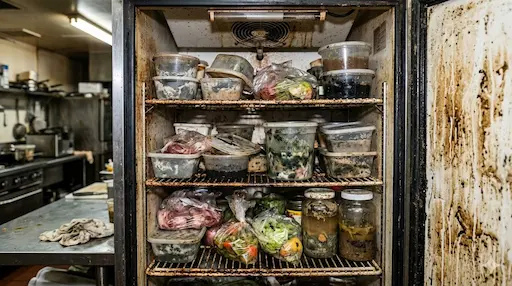
Few television moments have made viewers lose their appetite faster than the most disgusting fridges ever on Kitchen Nightmares. Throughout the series, celebrity chef Gordon Ramsay opened refrigerator doors expecting poor organization and expired ingredients. Instead, he often discovered mold-covered food, rotten meat, cross-contamination hazards, pest infestations, and years of neglect. These shocking inspections became some of the most memorable scenes in reality television and highlighted serious food safety failures that could have endangered customers.
What made these discoveries so disturbing was not just the appearance of the food. In many cases, the ingredients were still being served to paying customers. As a result, the fridge inspections became a symbol of everything that was wrong with struggling restaurants featured on the show.
Why Kitchen Nightmares Fridge Inspections Became Legendary
Kitchen Nightmares focused on helping failing restaurants improve their operations. However, before Ramsay could address menus, service, or marketing, he often inspected the kitchen and walk-in refrigerators.
Time after time, those inspections revealed shocking food storage practices. Common problems included expired products, raw meat stored beside cooked food, moldy ingredients, foul odors, and severe sanitation issues. According to multiple episode recaps and franchise highlights, these discoveries frequently exposed deeper management failures within the restaurants.
“Cross-contamination, expired food, moldy containers, and unsanitary storage conditions were recurring issues found during Kitchen Nightmares fridge inspections.”
These findings were not simply television drama. They reflected real food safety concerns that could contribute to foodborne illness when ignored.
The Most Disgusting Fridges Ever on Kitchen Nightmares: Top Examples
Dillon’s: A Walk-In Refrigerator of Nightmares
Among the most infamous cases was Dillon’s restaurant. During his inspection, Ramsay uncovered mold-covered sauces, spoiled vegetables, rotten produce, and alarming evidence of pest activity.
The restaurant’s storage areas contained food that should have been discarded long before service. Reports from episode reviews describe moldy burgers, discolored chicken, spoiled potatoes, and extensive contamination throughout the facility.
Many longtime fans still rank Dillon’s among the dirtiest restaurants ever featured on the series.
“Dillon’s became one of the highest-ranked examples of kitchen neglect after Ramsay discovered mold, rotten food, cockroaches, and rodent contamination.”
Seascape Restaurant and Taproom
Another notorious episode featured Seascape Restaurant and Taproom. Ramsay discovered frozen products marketed as fresh, moldy pesto, and severe cleanliness problems throughout the kitchen.
The refrigerator inspection revealed food storage practices that left viewers stunned. Reports from multiple sources describe containers of spoiled food, thick grease buildup, and ingredients that had clearly remained in storage far beyond safe usage periods.
Ramsay later described the restaurant as one of the filthiest locations he had ever visited.
Lela’s Refrigeration Disaster
Lela’s demonstrated how poor temperature control can create major food safety risks. Ramsay discovered refrigeration issues that allowed produce and ingredients to spoil.
When refrigerators fail to maintain proper temperatures, bacteria can multiply rapidly. Consequently, otherwise usable ingredients become unsafe for consumption.
The condition of the stored food became one of the defining moments of the episode.
Casa Roma and the Mystery Meat Liquids
Casa Roma delivered another unforgettable fridge inspection. One of the most disturbing discoveries involved containers filled with unidentified meat juices and improperly stored products.
Food safety professionals consistently warn against allowing raw meat liquids to contact other ingredients. Yet this type of contamination repeatedly appeared in several Kitchen Nightmares episodes.
The sight of leaking containers and questionable storage methods reinforced the restaurant’s reputation as one of the show’s most alarming cases.
Common Problems Found in Kitchen Nightmares Refrigerators
While every restaurant had unique issues, several recurring problems appeared throughout the series.
| Problem | Why It Is Dangerous |
|---|---|
| Cross-contamination | Allows harmful bacteria from raw foods to spread to ready-to-eat items. |
| Mold growth | Indicates prolonged neglect and potential food spoilage. |
| Expired ingredients | Increase the risk of foodborne illness. |
| Improper temperature control | Allows dangerous bacterial growth. |
| Pest contamination | Introduces bacteria and disease-causing organisms. |
| Unlabeled food containers | Makes inventory management and food safety difficult. |
These issues frequently appeared together. Therefore, Ramsay often viewed a dirty refrigerator as evidence of broader operational failures.
Why Cross-Contamination Shocked Gordon Ramsay Most
Among all the horrors discovered during the most disgusting fridges ever on Kitchen Nightmares, cross-contamination consistently triggered Ramsay’s strongest reactions.
In one widely discussed inspection, cooked meats sat next to raw chicken inside the same refrigeration area. Food safety guidelines clearly prohibit this arrangement because harmful bacteria from raw poultry can contaminate ready-to-eat foods.
Several episodes also featured blood from raw meat near prepared dishes. These situations represented serious health risks rather than simple cleanliness issues.
“Raw meat stored near cooked food became one of the most common violations exposed during Kitchen Nightmares inspections.”
As a result, Ramsay frequently halted service immediately after discovering these hazards.
The Psychology Behind Neglected Restaurant Fridges
Many viewers wonder how restaurant owners allowed conditions to deteriorate so severely.
Experts often point to several contributing factors. Financial stress can lead owners to keep ingredients longer than they should. Staff shortages may reduce cleaning frequency. Poor management systems create confusion about inventory rotation.
Over time, small problems become major issues.
Kitchen Nightmares repeatedly demonstrated this pattern. Restaurants struggling financially often postponed maintenance, delayed cleaning tasks, and ignored warning signs. Eventually, refrigerators became visible evidence of years of neglect.
Moreover, several restaurant owners appeared unaware of how serious the problems had become. This disconnect between perception and reality created some of the show’s most dramatic confrontations.
How Realistic Were These Fridge Discoveries?
Fans have debated the authenticity of Kitchen Nightmares for years. However, numerous restaurant workers and industry professionals have stated that severe neglect can occur in poorly managed establishments.
Discussions among former restaurant employees often suggest that while the worst examples are unusual, they are not impossible. Mold, expired ingredients, grease buildup, and neglected storage areas can develop surprisingly quickly when management fails to enforce standards.
Furthermore, the show’s reputation depended heavily on exposing genuine operational problems. The visible condition of many refrigerators appeared consistent with long-term neglect rather than temporary staging.
Food Safety Lessons From the Most Disgusting Fridges Ever on Kitchen Nightmares
Despite the shock value, these episodes offered important lessons for restaurant operators and home cooks alike.
Label Everything
Food should include preparation dates and expiration tracking. Clear labeling prevents forgotten items from accumulating in storage.
Separate Raw and Cooked Foods
Raw meat, poultry, and seafood should remain isolated from ready-to-eat products. This simple step significantly reduces contamination risks.
Monitor Refrigerator Temperatures
Consistent temperature control helps prevent bacterial growth and extends food safety.
Conduct Regular Deep Cleaning
Cleaning should go beyond visible surfaces. Shelves, seals, drains, and storage containers require regular attention.
Rotate Inventory Properly
Using older products first reduces waste and prevents forgotten ingredients from remaining in storage for months or years.
Why These Episodes Remain So Popular
The most disgusting fridges ever on Kitchen Nightmares continue attracting millions of views online years after their original broadcast.
Part of the appeal comes from the shock factor. Viewers cannot look away from the horrifying discoveries. However, there is another reason.
These scenes reveal real consequences of poor leadership. A dirty refrigerator is rarely an isolated problem. Instead, it often reflects deeper issues involving accountability, organization, training, and management.
Watching Ramsay uncover these problems provides both entertainment and education. Consequently, the fridge inspections remain among the most replayed moments in the franchise’s history.

Frequently Asked Questions
What was the dirtiest fridge ever shown on Kitchen Nightmares?
Dillon’s is frequently ranked among the worst examples due to moldy food, rotten ingredients, pest contamination, and severe sanitation failures.
Why did Gordon Ramsay inspect refrigerators first?
Refrigerators often reveal the true condition of a restaurant’s food safety practices, inventory management, and cleanliness standards.
Were the disgusting fridges on Kitchen Nightmares real?
The show presented actual conditions found during inspections, and many industry workers have stated that severe neglect can occur in poorly managed restaurants.
What was the most common fridge problem on Kitchen Nightmares?
Cross-contamination between raw and cooked foods was one of the most frequently discovered and dangerous violations.
Can poor refrigerator hygiene make customers sick?
Yes. Improper storage, contamination, spoiled food, and incorrect temperatures can contribute to foodborne illnesses.
Conclusion
The most disgusting fridges ever on Kitchen Nightmares remain unforgettable because they exposed the hidden dangers lurking behind restaurant kitchen doors. From mold-covered containers and spoiled produce to raw meat contamination and pest infestations, these discoveries demonstrated how quickly food safety can collapse when management loses control.
More importantly, the series reminded restaurant owners that cleanliness is not optional. A refrigerator tells the story of a kitchen’s standards. When storage systems fail, customer trust soon follows.
If you operate a restaurant, use these lessons as motivation to review your food safety procedures today. A clean refrigerator protects your reputation, your customers, and your business.