

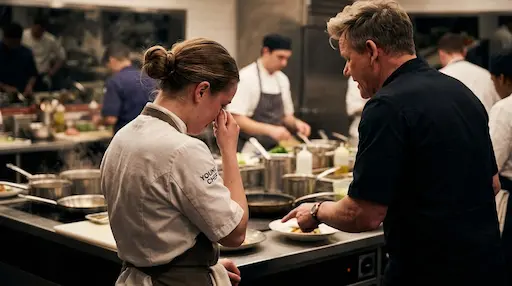
When reality television enthusiasts search for instances where gordon-makes-young-chef-cry-kitchen-nightmares, they are often looking for the raw, high-pressure emotional explosions that define Gordon Ramsay’s hit television series. Television screens frequently amplify tension, yet the psychological weight experienced by inexperienced cooks thrust into the international spotlight is entirely authentic. Whether you are fascinated by dramatic culinary confrontations or interested in the deep psychological toll of professional restaurant kitchen management, these moments leave an indelible mark on viewers.
Behind the shouting, dramatic musical cues, and broken plates lies a complex environment of misplaced ambition, financial ruin, and fragile egos. Therefore, let us explore the underlying dynamics of why these intense confrontations happen, how young kitchen staff crack under pressure, and what aspiring culinary professionals can learn from these explosive episodes.
The Boiling Point: Understanding Kitchen Pressures
Commercial kitchens operate as high-velocity stress chambers where every second matters. When a young or inexperienced chef is placed at the helm without proper technical training, disaster usually follows. On shows like Kitchen Nightmares, Gordon Ramsay acts as an unyielding mirror reflecting poor hygiene, failing inventory control, and stagnant leadership.
However, when Ramsay unleashes his famous critique, it often targets foundational incompetence rather than simple mistakes. For younger operators—such as business graduates or inexperienced head chefs who inherited family restaurants—the critique feels like an attack on their entire identity. As a result, emotional breakdowns, hiding in bathrooms, and tears become inevitable reactions to the harsh reality check.
“In the culinary world, ignorance is dangerous, but arrogance combined with inexperience is catastrophic. You cannot fake passion when the kitchen is burning down around you.” — Culinary Management Insights
Anatomy of a Breakdown: Case Studies in Restaurant Chaos
Throughout various seasons of the show, viewers have witnessed numerous young owners and cooks melt under pressure. For instance, episodes featuring young business graduates taking over struggling restaurants without culinary backgrounds routinely highlight a massive disconnect. They try to manage a professional line without knowing how to properly prep basic ingredients or maintain food safety standards.
When Ramsay points out rotten produce or frozen meals disguised as fresh cuisine, defensiveness gives way to panic. The following breakdown illustrates typical stress triggers observed across struggling restaurant interventions:
| Stress Factor | Inexperienced Operator Response | Professional Standard |
|---|---|---|
| Inventory Review | Denial of spoiled food and defensive excuses | Immediate discard and strict FIFO rotation |
| Critical Feedback | Emotional defensiveness, crying, or walking out | Objective note-taking and operational adjustment |
| Menu Engineering | Overly complex, pretentious, and failing dishes | Streamlined, high-margin, fresh local ingredients |
This stark contrast proves that technical resilience is just as important as cooking skill. Without emotional maturity, a kitchen team will inevitably crumble during peak service hours.
Why Tough Love Matters in Professional Gastronomy
Many casual viewers wonder if the intense shouting is merely for theatrical effect. However, veteran industry experts emphasize that professional kitchens require absolute discipline for safety reasons alone. Cross-contamination, improper holding temperatures, and delayed ticket times can literally make customers ill.
Therefore, Ramsay’s aggressive intervention serves a specific psychological and operational purpose. By stripping away denial, he forces owners to confront the literal rot inside their establishments. Although tears and emotional distress are uncomfortable to witness, they often mark the crucial first step toward true accountability.
“Tough love in a commercial kitchen isn’t about cruelty; it’s about breaking bad habits before health inspectors or bankruptcy shut the doors forever.” — Restaurant Industry Weekly
Long-Term Outcomes for Young Operators
What happens after the cameras stop rolling and the dramatic editing concludes? While television portrays instantaneous fixes, real-world restaurant turnarounds require months of grueling physical labor and financial sacrifice. Some young chefs depicted on the show chose to step away from hospitality entirely, realizing that the grueling lifestyle mismatched their career goals.
Conversely, others used the brutal awakening to restructure their businesses, embrace humility, and acquire proper culinary training. For further reading on professional kitchen standards and culinary education, you can visit Auguste Escoffier School of Culinary Arts.
Frequently Asked Questions
Why does Gordon Ramsay shout so much at young chefs?
Ramsay’s aggressive style stems from high-stakes professional kitchen standards where safety, speed, and precision are mandatory. Shouting cuts through denial and forces immediate focus on critical flaws.
Are the emotional breakdowns on Kitchen Nightmares real?
Yes. Many young or inexperienced owners face immense financial debt and personal pressure, making Ramsay’s unvarnished critique an overwhelming emotional trigger.
Do restaurants usually survive after these dramatic episodes?
Survival rates vary significantly. While some venues successfully rebrand and thrive under new operational disciplines, many others ultimately close due to deep-seated financial issues.
Conclusion and Next Steps
The intense moments where gordon-makes-young-chef-cry-kitchen-nightmares serve as captivating television and profound cautionary tales. They remind us that the restaurant industry demands absolute humility, rigorous discipline, and genuine culinary competence.
Ready to sharpen your business acumen and avoid classic restaurant management mistakes? Subscribe to our newsletter today for exclusive behind-the-scenes breakdowns, expert operational strategies, and professional hospitality advice!