

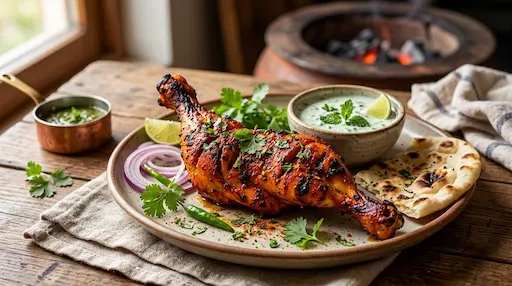
If you have ever wanted to recreate the smoky, charred perfection of restaurant-style chicken in your own kitchen, mastering the legendary tandoori-chicken-non-veg-recipe-sanjeev-kapoor-khazana is your ultimate roadmap. From the iconic crimson hue driven by authentic Kashmiri red chili powder to the tender, melt-in-your-mouth texture achieved through a meticulous double-marination technique, this culinary masterpiece remains a crown jewel of global cuisine. Whether you are hosting a weekend dinner party or simply craving a protein-packed feast, understanding Chef Sanjeev Kapoor’s time-tested secrets will transform your everyday cooking routine.
In this comprehensive guide, we will break down everything you need to know. From choosing the right cuts of chicken on the bone to balancing hung yogurt, ginger-garlic paste, and aromatic spices like garam masala and kasuri methi, every single step matters. Let us dive deep into the science and art of creating restaurant-quality tandoori chicken right at home, utilizing modern appliances without losing authentic flavors.
Why Sanjeev Kapoor’s Tandoori Chicken Method Stands Out
Culinary traditions across the globe have long celebrated the magic of clay oven cooking. However, replicating authentic tandoori flavors without a traditional mud tandoor can feel challenging for home cooks. According to culinary archives and popular cooking networks, Chef Sanjeev Kapoor’s approach bridges this gap by focusing on precise chemical tenderization and high-heat home cooking methods like ovens, air fryers, or heavy-bottomed pans.
Furthermore, the genius of the recipe lies in its two-stage preparation. The first marinade uses lemon juice, salt, and mild chili powder to open the meat fibers. This allows the second rich yogurt-and-spice blend to penetrate deeply. As a result, the chicken stays remarkably juicy on the inside while developing a wonderful charred crust on the outside.
Expert Insight: “The secret to authentic tandoori chicken is not just the spice rub, but the moisture barrier created by thick hung curd and precise scoring. Deep incisions ensure flavor reaches the bone.” For more authentic masterclasses, explore Sanjeev Kapoor Official Recipes.
Essential Ingredients Breakdown for the Perfect Marinade
To achieve that signature restaurant flavor, you need a precise blend of fresh aromatics and pantry staples. While variations exist across different regions, the core components of the tandoori-chicken-non-veg-recipe-sanjeev-kapoor-khazana remain remarkably consistent.
| Ingredient Category | Key Components | Primary Culinary Purpose |
|---|---|---|
| Base Protein | Chicken on the bone (whole cut into 4 pieces or drumsticks) | Retains moisture better than boneless cuts during high-heat cooking |
| First Marinade | Lemon juice, salt, Kashmiri red chili powder | Tenderizes meat fibers and pre-seasons the inner layers |
| Second Marinade | Hung yogurt, ginger-garlic paste, roasted gram flour (besan) | Binds spices to the meat and locks in natural juices |
| Finishing Touches | Garam masala, kasuri methi, chaat masala, melted butter | Delivers the iconic smoky aroma and tangy finish |
The Crucial Role of First and Second Marination
Patience is your greatest ally when preparing this dish. Skipping the marination phase results in bland meat that tastes seasoned only on the surface. Therefore, always allocate adequate time for each stage.
In the first step, rub lemon juice and salt into your deep bone-deep incisions. Let the chicken rest for 20 to 30 minutes. The acid gently breaks down protein structures. Next, coat the chicken generously with the spiced yogurt mixture. For optimal results, let it rest in the refrigerator for at least two to four hours—or overnight if time permits.
Cooking Techniques: Oven, Air Fryer, and Stovetop
Many home cooks wonder how to get that signature charcoal smokiness without a commercial clay oven. Fortunately, modern kitchen appliances offer fantastic alternatives that yield incredible results.
If you are using a standard kitchen oven, preheat it to 200°C (400°F). Place your marinated chicken on a wire rack over a foil-lined baking tray to catch dripping fats. Baste with melted butter halfway through the cooking cycle. Alternatively, air fryers provide a wonderful crunch in less time. Simply cook at 200°C for roughly 22 minutes, ensuring the edges turn golden and slightly charred.
Pro Tip: For an authentic dhaba-style smokiness at home, use the $ldquo$dhungar$rdquo$ technique. Place a small metal bowl (katori) with a glowing hot charcoal piece in the center of your marinated chicken bowl, pour a spoonful of mustard oil or ghee over the coal, and cover tightly for 5 minutes.
Nutritional Profile and Dietary Benefits
Beyond its incredible taste, traditional tandoori chicken offers substantial nutritional value. Because it relies on high-heat roasting or baking rather than deep frying, it serves as a lean source of high-quality protein.
Furthermore, yogurt-based marinades introduce probiotics and calcium, while spices like turmeric and garlic provide well-documented anti-inflammatory properties. When balanced with fresh onion rings, mint chutney, and a squeeze of lemon, it fits seamlessly into balanced fitness meal plans.
Step-by-Step Execution Guide
Follow these structured steps to ensure your dish turns out succulent, aromatic, and packed with flavor:
- Preparation: Wash and pat dry 750g to 1kg of chicken on the bone. Make deep incisions on breasts, thighs, and drumsticks.
- First Marination: Rub half a teaspoon of salt, half a teaspoon of Kashmiri red chili powder, and one tablespoon of lemon juice. Rest for 30 minutes.
- Second Marination: Whisk 3/4 cup of thick hung yogurt with ginger-garlic paste, roasted gram flour, garam masala, kasuri methi, and remaining chili powder. Coat the chicken thoroughly.
- Refrigeration: Let the coated chicken marinate in the fridge for 2 to 4 hours to absorb all complex flavors.
- Cooking: Bake, air fry, or grill at 200°C for 25 to 30 minutes until fully cooked and tender. Baste with butter before serving.
Frequently Asked Questions
Can I use boneless chicken breasts for this recipe?
While you can use boneless chicken, meat on the bone—such as chicken legs and thighs—stays significantly juicier and more flavorful during high-heat tandoori cooking.
Why do recipes use roasted gram flour (besan) in the marinade?
Roasted gram flour acts as a binding agent. It absorbs excess moisture from the yogurt and spices, ensuring the marinade clings tightly to the chicken instead of sliding off during cooking.
How can I get a bright red color without artificial food dye?
Authentic recipes rely on generous amounts of Kashmiri red chili powder. It imparts a vibrant crimson hue and rich color without adding excessive, tongue-numbing heat.
Can I freeze marinated tandoori chicken for later use?
Yes, you can freeze the fully marinated raw chicken in an airtight container or freezer bag for up to two weeks. Thaw completely in the refrigerator before cooking.
Conclusion and Next Steps
Mastering the tandoori-chicken-non-veg-recipe-sanjeev-kapoor-khazana opens the door to authentic Indian culinary excellence right in your own kitchen. By respecting the double-marination process, utilizing proper heat control, and paying attention to spice balance, you can consistently serve restaurant-grade appetizers that impress family and guests alike.
Ready to elevate your cooking skills? Subscribe to our global culinary newsletter today for weekly gourmet recipes, professional chef tips, and exclusive kitchen hacks delivered straight to your inbox!