

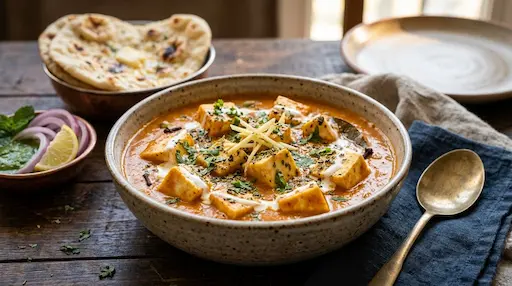
If you have ever craved the velvety, restaurant-style richness of authentic shahi paneer at home, you are certainly in the right place. Originating from the royal Mughal kitchens, this iconic dish marries soft cottage cheese cubes with a luxurious, nut-infused tomato sauce. However, capturing that silky texture without a proper roadmap can feel intimidating. Fortunately, renowned celebrity Chef Kunal Kapur has demystified this masterpiece through his popular K-Kitchen series. Therefore, let us explore the exact proportions, professional secrets, and step-by-step instructions needed to master this classic dish effortlessly.
The History and Magic Behind Shahi Paneer
The term shahi translates directly to royal, reflecting the lavish ingredients that define this preparation. Historically, imperial chefs blended rich dairy fats, aromatic whole spices, and expensive nuts like cashews to create a sauce fit for emperors. Unlike everyday curries, traditional shahi paneer relies heavily on a precise tomato-to-onion ratio. Specifically, professional chefs maintain a standard where onions weigh roughly half of the total tomato quantity. As a result, the gravy achieves a naturally balanced sweetness and tang without ever overpowering the palate.
“The most irresistible paneer dish is Shahi Paneer. Though many versions of the same exist, mine is simple and of course yummy.” — Chef Kunal Kapur
Understanding this balance is the key to unlocking authentic flavors. When you respect the proportions, the dish shines without requiring artificial thickeners or excess sugar. In addition, using whole spices at the boiling stage infuses deep, subtle warmth throughout the sauce base. For more details on culinary arts and professional cooking standards, you can visit Chef Kunal Kapur’s Official Website.
Essential Ingredients for Chef Kunal’s Shahi Paneer
Success in Indian cooking starts with gathering fresh, high-quality components. To execute Chef Kunal’s Shahi Paneer recipe accurately, you will need two main categories of ingredients: those for the foundational curry paste, and those for the final pan assembly phase.
1. Ingredients for the Rich Tomato-Cashew Curry
- Tomatoes: 500 grams (fresh, ripe, and diced)
- Onions: 250 grams (sliced)
- Cashew Nuts: ¾ cup (soaked for maximum creaminess)
- Garlic Cloves: 8 nos
- Ginger: 1 ½ tablespoons (chopped)
- Green Chilies: 2 nos
- Whole Spices: 2 black cardamoms, 4 green cardamoms, 4 cloves, 1 small cinnamon stick, and 1 bay leaf
- Fats and Seasoning: 2 tablespoons butter and 1 tablespoon Kashmiri chili powder
2. Ingredients for the Final Pan Assembly
- Paneer: 1 ½ cups (freshly cut cubes)
- Butter: 2 tablespoons
- Aromatics: 1 slit green chili and 1 teaspoon chopped ginger
- Finishing Touches: A pinch of Kashmiri chili powder, salt to taste, a large pinch of sugar, ¼ teaspoon kasoori methi (fenugreek) powder, and ½ cup fresh cream
Step-by-Step Cooking Instructions
Cooking like a professional chef requires patience and a systematic approach. Follow these precise steps to ensure your gravy turns out silky, smooth, and full of flavor every single time.
- Boil the Gravy Base: In a deep pan, combine the diced tomatoes, sliced onions, garlic, ginger, green chilies, cashew nuts, whole spices, butter, and Kashmiri chili powder with a little water. Simmer until the tomatoes turn completely soft and mushy.
- Blend and Strain: Remove the whole spices if desired, then blend the mixture into a fine, smooth puree. For an authentic restaurant-style finish, pass this puree through a fine wire-mesh strainer to eliminate any residual tomato skin or seeds.
- Sauté the Paneer: Heat butter in a separate pan over medium flame. Add the chopped ginger and slit green chili, letting them release their aroma. Toss in the paneer cubes along with a pinch of Kashmiri chili powder and a tiny splash of water to prevent the spices from burning.
- Combine and Simmer: Pour your strained curry into the pan with the paneer. Add salt, a pinch of sugar to balance the acidity, and the kasoori methi powder. Cook gently until the gravy reaches a rich, coating consistency.
- Finish with Cream: Turn off the heat entirely before stirring in the fresh cream. This prevents the cream from curdling and preserves that luxurious velvety sheen.
Ingredient Proportion Breakdown
Maintaining the right balance of ingredients dictates the texture of your final curry. Review this quick reference table to understand the core proportions used in Chef Kunal’s kitchen.
| Ingredient Category | Quantity Used | Primary Culinary Purpose |
|---|---|---|
| Tomatoes | 500 grams | Provides the primary tart base and vibrant color |
| Onions | 250 grams | Adds body and subtle natural sweetness |
| Cashew Nuts | ¾ cup | Emulsifies the sauce into a rich, velvety texture |
| Fresh Cream | ½ cup | Delivers the signature royal richness at the end |
“Passing your tomato and cashew puree through a strainer is the ultimate secret weapon for achieving that ultra-smooth, luxury hotel texture at home.” — Culinary Expert Insight
Pro Tips for Perfect Shahi Paneer
Even with a great recipe, small technique adjustments can elevate your cooking from ordinary to extraordinary. Consider these practical tips before you start cooking:
- Paneer Texture: If your paneer feels firm, soak the cut cubes in warm water for ten minutes before cooking to keep them pillowy soft.
- Balancing Flavors: Tomatoes can sometimes impart a sharp sourness. Always use a pinch of sugar to harmonize the tomato tang with the rich cashews.
- Cream Application: Never boil your curry vigorously after adding fresh cream, as high heat separates the milk fats.
Frequently Asked Questions
What is the main difference between Shahi Paneer and Paneer Butter Masala?
Shahi paneer relies heavily on a cashew-nut paste and whole aromatic spices for its royal profile, whereas paneer butter masala typically features a heavier tomato and butter foundation with sweet undertones.
Can I make this recipe without onion and garlic?
Yes, you can substitute the onion and garlic with melon seeds or extra cashews to thicken the gravy while keeping it suitable for satvik or no-onion-no-garlic dietary preferences.
Why do I need to strain the tomato puree?
Straining removes rough tomato skins and coarse spice particles, ensuring your sauce achieves an immaculate, silky-smooth mouthfeel reminiscent of fine dining restaurants.
How long can I store leftover Shahi Paneer?
You can store leftover shahi paneer in an airtight container in the refrigerator for up to two days. Reheat it gently on the stovetop with a splash of milk or water.
Conclusion
Mastering this classic dish allows you to bring authentic royal flavors straight to your family dinner table. By following Chef Kunal Kapur’s balanced proportions, straining your gravy, and managing your heat correctly, you will easily recreate a restaurant-quality meal. Therefore, gather your ingredients today and treat your loved ones to an unforgettable feast.
Ready to elevate your cooking game? Try this incredible recipe tonight, and share your delicious culinary creations and feedback in the comments below!