

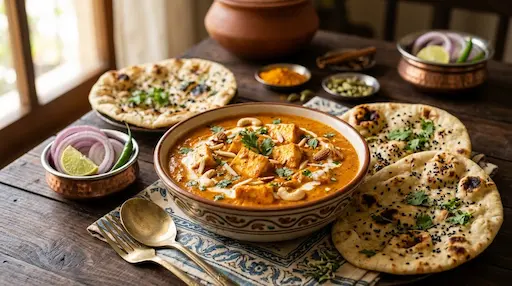
Have you ever wondered why restaurant-style paneer dishes taste so remarkably rich and velvety compared to home-cooked meals? When it comes to royal Indian cuisine, the legendary shahi-paneer-sanjeev-kapoor-khazana recipe stands out as a masterclass in balance, texture, and aroma. Originating from the royal Moghul kitchens, Shahi Paneer translates literally to “royal cheese,” and Chef Sanjeev Kapoor’s specialized Khazana approach elevates this classic dish from ordinary to extraordinary. Whether you are hosting a grand dinner party or simply craving a luxurious weekend meal, understanding the science behind this exquisite gravy will transform your cooking forever.
Across India and global culinary communities, Master Chef Sanjeev Kapoor has spent decades perfecting everyday and festive recipes. His version of Shahi Paneer avoids heavy artificial colorings and relies entirely on natural emulsifiers like cashew paste, yogurt, and aromatic whole spices. In this comprehensive guide, we will explore the precise ingredient proportions, step-by-step techniques, and insider secrets that make this recipe a timeless crown jewel of Indian vegetarian cooking.
Understanding the Essence of Royal Moghul Gravies
To truly appreciate the shahi-paneer-sanjeev-kapoor-khazana method, we must examine its historical and culinary foundation. Unlike popular Punjabi variations that rely heavily on tomato purees and butter, traditional Moghul white or pale-orange gravies derive their lush body from nuts, dairy, and slow-cooked onions.
According to culinary data shared across major gastronomy portals, cashew nut paste acts as the primary thickening agent in authentic royal recipes. When combined with whisked curd and fresh dairy cream, it creates a silky emulsion that coats the palate without feeling overly heavy. However, achieving this perfect consistency requires meticulous temperature control. If the heat is too high when adding yogurt, the dairy will curdle instantly, ruining the smooth texture.
“The secret to an exceptional royal curry lies in patience; slow-cooking white onion pastes without browning them preserves both the pale ivory hue and the delicate sweetness essential for authentic Shahi Paneer.” — Culinary Arts Review
Essential Ingredients for the Khazana Masterpiece
Gathering the right ingredients is the first step toward replicating Master Chef Sanjeev Kapoor’s signature style. Precision matters immensely in baking and royal Indian cooking alike. Here is a breakdown of what you will need for four generous servings:
- Cottage Cheese (Paneer): 400 grams, cut into clean half-inch wide and one-inch long rectangular pieces.
- Base Aromatics: 2 large onions, quartered and boiled; 1 teaspoon ginger paste; 1 teaspoon garlic paste.
- Whole Spices: 3 green cardamoms, 3 cloves, 4-5 black peppercorns, 1 two-inch stick of cinnamon, and 1 bay leaf.
- Rich Thickeners: $\frac{1}{4}$ cup smooth cashew nut paste and $\frac{1}{2}$ cup fresh yogurt (curd) whisked smooth.
- Finishing Touches: $\frac{1}{2}$ cup fresh dairy cream, a generous pinch of premium saffron strands, $\frac{1}{2}$ teaspoon garam masala powder, and $\frac{1}{4}$ teaspoon green cardamom powder.
Notice the deliberate absence of turmeric or excessive red chili powder. This specific shahi-paneer-sanjeev-kapoor-khazana formulation relies on green chilies and whole black peppercorns for heat, keeping the visual aesthetic elegant, sophisticated, and true to its royal heritage.
Nutritional Breakdown of Authentic Shahi Paneer
Because this dish incorporates rich nuts and dairy, it is naturally calorie-dense and packed with macronutrients. Below is a detailed nutritional overview per standard batch preparation:
| Nutritional Component | Estimated Total Value | Primary Source |
|---|---|---|
| Calories | 1,953 kcal | Cashews, cream, ghee, and paneer |
| Carbohydrates | 45.7 grams | Onions, cashews, and dairy lactose |
| Protein | 88.4 grams | Fresh cottage cheese (paneer) |
| Total Fat | 157.5 grams | Cream, yogurt, oil, and nut paste |
As illustrated in the table above, the high protein content from fresh paneer makes this a substantial main course, while the healthy fats from cashews provide sustained energy and deep flavor satiety.
Step-by-Step Cooking Instructions
Cooking this dish requires a structured approach. Follow these precise phases to ensure your gravy achieves restaurant-quality perfection.
- Preparing the Onion Base: Quarter your onions and boil them in a quarter cup of water until tender. Drain thoroughly, allow them to cool completely, and grind them into an ultra-smooth paste.
- Tempering Whole Spices: Heat two tablespoons of cooking oil or ghee in a deep heavy-bottomed kadai. Add the cloves, black peppercorns, cinnamon stick, and bay leaf. Sauté on medium flame until the whole spices release their aromatic oils into the fat.
- Building the Gravy Body: Introduce slit green chilies and your boiled onion paste into the kadai. Sauté on low heat for three to four minutes, ensuring the paste remains pale and does not brown. Stir in the ginger and garlic pastes, cooking for an additional thirty seconds.
- Emulsifying Nuts and Curd: Mix in the cashew nut paste, sautéing for two minutes until well incorporated. Lower the flame completely, add the whisked yogurt, and stir continuously until all the moisture is absorbed by the paste.
- Adding Finishing Luxuries: Gently pour in the fresh cream, a pinch of saffron strands dissolved in warm milk, garam masala powder, and salt to taste.
- Simmering the Paneer: Carefully slide your paneer cubes into the simmering gravy. Stir gently to coat each piece without breaking them. Sprinkle green cardamom powder over the top, cover for one minute, and serve piping hot.
“The hallmark of a master chef is restraint; knowing exactly when to take a dish off the heat preserves the tender texture of cottage cheese and prevents dairy from splitting.” — Gastronomy Today Magazine
Expert Tips for Success
Even with a stellar recipe, minor kitchen habits can alter your final outcome. Therefore, keep these professional recommendations in mind:
- Soak Paneer in Warm Water: If your store-bought paneer feels dense or rubbery, soak the cubes in warm salted water for ten minutes before adding them to the gravy. This restores a pillow-soft bite.
- Control Your Heat: Always reduce the stove flame to its lowest setting before whisking in yogurt. High heat causes immediate protein coagulation and graininess.
- Fresh Cardamom is Key: Grind whole green cardamom pods fresh rather than using stale pre-ground powder to maximize the floral aroma characteristic of Sanjeev Kapoor’s recipes.
For more inspiration on regional Indian delicacies and master-level techniques, you can explore curated guides on Indian culinary history on Wikipedia or check out professional cooking tutorials on Sanjeev Kapoor’s official recipe portal.
Frequently Asked Questions
Can I use milk instead of heavy cream in this recipe?
While you can substitute milk or half-and-half to reduce calorie counts, the gravy will lose its signature velvety thickness. For authentic results, stick to heavy whipping cream or cashew milk blends.
Why did my Shahi Paneer gravy turn brown instead of white?
The gravy turns brown when onions are browned during sautéing. To maintain the pale, royal color, ensure you boil the onions first and cook them on very low heat without letting them caramelize.
How can I make this recipe vegan-friendly?
You can substitute traditional cottage cheese with firm tofu and replace dairy yogurt and cream with cashew yogurt and cashew butter for an equally luxurious plant-based alternative.
What goes best with Shahi Paneer?
This rich dish pairs exceptionally well with garlic naan, tandoori roti, or aromatic saffron-infused pulao rice.
Conclusion
Mastering the shahi-paneer-sanjeev-kapoor-khazana recipe allows you to bring restaurant-quality elegance directly into your home kitchen. By respecting traditional techniques—such as boiling onions for a pale base and carefully balancing cashew paste with fresh dairy—you create a culinary masterpiece that delights family and guests alike.
Ready to elevate your cooking skills further? Try out this recipe this weekend, and subscribe to our culinary newsletter for more expert tips, secret spice blends, and global kitchen inspiration!