

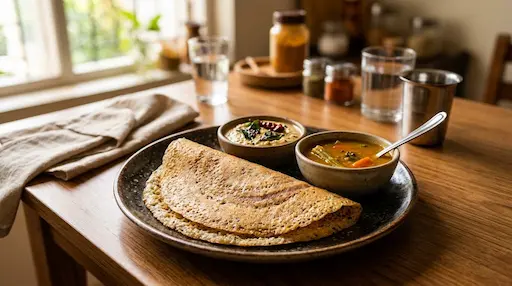
Are you looking to transform your ordinary breakfast routine into a powerhouse of nutrition without sacrificing flavor? Introducing the revolutionary quinoa dosa sanjeev kapoor khazana recipe, which brings an ingenious gluten-free spin to the beloved South Indian classic. Master Chef Sanjeev Kapoor merges ancient Andean superfoods with traditional Indian culinary wisdom, offering a dish that is crunchy, incredibly savory, and packed with essential amino acids. Whether you are managing fitness goals or simply craving a delicious weekend treat, this comprehensive guide will help you achieve restaurant-quality texture right in your own kitchen.
Why Master Chef Sanjeev Kapoor’s Quinoa Dosa Changes Everything
Traditional rice and urad dal dosas are undeniably delicious, but they often spike blood sugar levels due to their heavy glycemic load. However, Chef Sanjeev Kapoor introduces nutrient-dense quinoa, pairing it with dhuli urad dal, chana dal, toor dal, and fenugreek seeds to create a perfectly balanced batter. According to nutritional experts, replacing refined rice with whole grains drastically boosts dietary fiber and protein intake. As a result, this unique fusion snack supports sustained energy levels while keeping your digestive system thriving.
“Healthy eating should never feel like a compromise on taste; true culinary innovation is about finding harmony between wellness and rich traditions.” — Culinary Philosophy Insight
Furthermore, the fermentation process required for this recipe enhances bio-availability. In addition, using fenugreek seeds (*methi dana*) not only assists natural fermentation but also adds a wonderful depth of flavor while promoting gut health.
Essential Ingredients Breakdown for the Perfect Batter
To recreate this signature recipe accurately, you need a precise measurement of high-quality grains and lentils. Quality ingredients dictate the ultimate crispiness of your dosa.
- Quinoa: 1 cup quinoa, soaked for 3 to 4 hours and thoroughly drained.
- Lentil Blend: ½ cup split skinless black gram (dhuli urad dal), 1 tbsp split pigeon peas (toovar dal), and 2 tbsp split Bengal gram (chana dal), soaked alongside the quinoa.
- Fermentation Aid: ½ teaspoon fenugreek seeds (*methi dana*) to aid digestion and crisp texture.
- Seasoning & Cooking: Salt to taste, water for adjusting consistency, and oil spray or ghee for cooking on a non-stick tawa.
- Accompaniments: Freshly prepared coconut chutney and tangy tomato chutney for serving.
For more inspiration on regional flavor balancing and healthy global fusion trends, you can explore the Grand Millennium Tabuk Dining Overview to see how professional kitchens handle modern nutritional ingredients.
Nutritional Comparison: Traditional Dosa vs. Quinoa Dosa
Understanding the nutritional shift helps clarify why health-conscious food lovers are making the switch. The table below outlines key dietary differences.
| Nutritional Parameter | Traditional White Rice Dosa | Quinoa Dosa (Sanjeev Kapoor Style) |
|---|---|---|
| Primary Carb Source | Refined white rice | Whole grain quinoa |
| Protein Content | Moderate (primarily from lentils) | High (complete protein profile) |
| Dietary Fiber | Low to moderate | Significantly higher |
| Gluten Status | Typically gluten-free, low fiber | 100% Gluten-free superfood snack |
Step-by-Step Cooking Guide for Flawless Execution
Precision and timing are the keys to unlocking the crisp exterior and soft interior of this healthy dosa. Follow this structured roadmap to execute the recipe flawlessly.
Step 1: Soaking and Grinding the Ingredients
Begin by soaking 1 cup of quinoa, dhuli urad dal, toovar dal, chana dal, and fenugreek seeds in water for 3 to 4 hours. Once soaked, drain the excess water completely. Transfer the mixture into a grinder jar along with 1½ cups of water. Grind it to a coarse paste first, then add another ½ cup of water and grind until you achieve a smooth, uniform batter.
Step 2: Fermenting the Batter
Transfer the smooth batter into a large mixing bowl. Cover the bowl loosely and set it aside in a warm corner to ferment naturally for 6 to 8 hours. Proper fermentation creates those characteristic air bubbles, which are essential for a light and crispy texture.
Step 3: Adjusting Consistency and Seasoning
Once fermentation is complete, stir in salt and about ½ cup of water to adjust the consistency. The batter should be flowing yet thick enough to coat the back of a ladle. Heat a non-stick tawa over medium flame. To ensure the right temperature, wipe the tawa surface with a piece of wet muslin cloth.
Step 4: Spreading and Cooking to Perfection
Pour a ladleful of batter onto the center of the hot tawa and spread it outward in circular motions to form a thin, even layer. Spray or drizzle a little oil around the edges. Cook on medium heat for 3 to 4 minutes until the underside turns golden brown. Flip the dosa carefully, cook for one more minute, and fold it.
Pro Tips for Restaurant-Quality Results at Home
Even simple recipes benefit immensely from professional kitchen hacks. Keep these expert tips in mind while cooking:
- Manage Tawa Temperature: Always wipe the non-stick pan with a wet cloth between batches to prevent the delicate quinoa batter from sticking or burning.
- Achieve Maximum Crunch: Cook the dosa slightly longer on medium-low heat to draw out moisture, ensuring a shatteringly crisp texture.
- Serve Immediately: Quinoa dosas taste best when served piping hot straight off the tawa alongside traditional accompaniments.
If you want to read more about global dining trends and modern culinary adaptations, check out comprehensive guides such as Wingie’s Restaurant Guide for broader culinary perspectives.
“The secret to mastering fusion South Indian cooking lies in respecting fermentation times while keeping your cooking surface at an even temperature.” — Master Chef Insight
Frequently Asked Questions
Is quinoa dosa completely gluten-free?
Yes, this recipe uses quinoa and lentils, making it a naturally 100% gluten-free and gut-friendly breakfast option.
Can I store the quinoa dosa batter in the refrigerator?
Yes, you can store the fermented batter in an airtight container in the refrigerator for up to 3 days. Bring it to room temperature before cooking.
Why is fenugreek added to the quinoa dosa batter?
Fenugreek seeds (*methi dana*) act as a natural catalyst for fermentation, improve digestion, and enhance the overall savory flavor profile.
What are the best side dishes for quinoa dosa?
It pairs exceptionally well with classic fresh coconut chutney and spicy tomato chutney for a balanced meal.
Conclusion and Call to Action
Mastering Chef Sanjeev Kapoor’s quinoa dosa opens up a wonderful world of healthy culinary experimentation. By combining traditional Indian fermentation techniques with the complete protein profile of quinoa, you create a breakfast that satisfies both your palate and your wellness goals. Grab your ingredients, set your tawa on the stove, and treat your family to a restaurant-style feast today!