

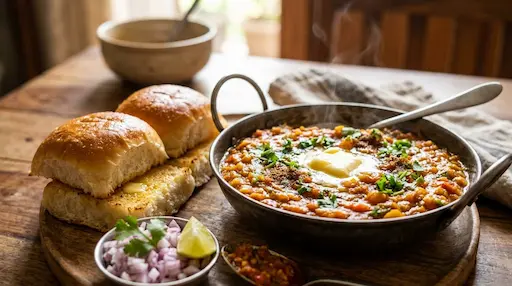
Nothing captures the bustling, aromatic energy of Mumbai street food quite like a steaming plate of pav bhaji sanjeev kapoor khazana style. For decades, Master Chef Sanjeev Kapoor has transformed home kitchens across the globe by decoding culinary treasures and making restaurant-quality dishes entirely approachable. If you have ever wondered how street vendors achieve that velvety, buttery texture and deep crimson hue, this comprehensive guide unlocks every technique you need.
In this deep dive, we explore the exact ingredients, professional mashing techniques, and secret flavor layers that define this legendary comfort food. Whether you are cooking for a weekend gathering or a cozy family dinner, mastering this recipe guarantees rave reviews around your dining table.
The Evolution and Allure of Mumbai’s Favorite Street Food
Originating in the 1850s as a quick, energizing meal for textile mill workers in Mumbai, pav bhaji has since evolved into an international culinary icon. However, replicating that authentic street-side magic at home often proves elusive for many home cooks. Regular home-cooked versions can occasionally taste flat or lack that rich, glossy sheen characteristic of commercial tawas.
According to culinary trend reports, street food revival recipes experience a massive surge in search interest annually, with millions seeking authentic flavor profiles. Chef Sanjeev Kapoor bridges this gap by combining traditional street-side preparation methods with modern kitchenware efficiency, ensuring consistent results every single time.
“Pav Bhaji is a flavorful, spiced vegetable mash served with buttery, toasted pavs, offering a comforting and nutritious meal that brings families together across generations.” — Master Chef Sanjeev Kapoor
Essential Ingredients for Sanjeev Kapoor’s Signature Pav Bhaji
Achieving the signature taste profile requires a precise balance of fresh vegetables, aromatic pastes, and quality spices. Skipping a component can alter the final depth of flavor. Therefore, gathering your ingredients before turning on the stove is essential.
Let us review the core components required for a batch that serves four hungry diners:
- Pavs: 8 soft, fresh bread rolls (pavs) ready for buttering and toasting.
- Base Vegetables: 3 to 4 medium potatoes (boiled and peeled), 1 cup grated cauliflower, and 1/4 cup green peas.
- Aromatics & Spices: 2 medium onions (finely chopped), 1 tablespoon ginger paste, 1 tablespoon garlic paste, and 1 tablespoon red chilli paste.
- The Star Spice: 2 tablespoons of premium quality pav bhaji masala, plus extra for sprinkling on the tawa.
- Fats and Finishers: 4 tablespoons of butter for cooking and roasting, fresh tomatoes, chopped coriander leaves, and fresh lemon wedges.
Step-by-Step Cooking Guide: Recreating the Khazana Magic
Cooking authentic pav bhaji is an art form rooted in patience, precise timing, and aggressive mashing. Follow these systematic steps to replicate the famous Sanjeev Kapoor Khazana standard in your own kitchen.
- Building the Fat Base: Heat 3 tablespoons of butter in a deep heavy-bottom non-stick pan or tawa. Add half of the chopped onions and sauté until they turn translucent and aromatic.
- Adding Aromatics: Incorporate the ginger paste, garlic paste, and red chilli paste. Sauté the mixture on medium heat for approximately one minute until the raw garlic aroma disappears.
- Introducing Tomatoes and Spices: Add the chopped tomatoes, salt, and the primary measure of pav bhaji masala. Cook on low heat for 5 to 7 minutes until the tomatoes soften and release their natural oils.
- Veggie Integration: Add the grated cauliflower, chopped green capsicum, and boiled green peas. Mix thoroughly to coat the vegetables in the spiced tomato base.
- Mashing and Simmering: Add the boiled and peeled potatoes along with fresh chopped coriander. Using a sturdy potato masher, mash the ingredients aggressively while adding water in increments. Cover and simmer for 5 to 7 minutes.
- Toasting the Pavs: Slit the pavs horizontally. Heat 1 tablespoon of butter on a separate tawa, sprinkle a pinch of pav bhaji masala and chopped coriander, and toast the pavs cut-side down until golden brown and crispy.
Nutritional Breakdown and Caloric Profile
While pav bhaji is traditionally an indulgent comfort food rich in butter and carbohydrates, it also packs a substantial nutritional punch due to the diverse mix of root and cruciferous vegetables.
| Nutritional Component | Approximate Value (Per Recipe Batch) | Health Impact |
|---|---|---|
| Calories | 1863 kcal | High energy density; ideal for active lifestyles. |
| Carbohydrates | 280.8 g | Primary energy source from potatoes and pav. |
| Protein | 42.8 g | Contributed by peas and dairy butter fats. |
| Dietary Fiber | 32.5 g | Promotes digestion through cauliflower and vegetables. |
Furthermore, incorporating vegetables like cauliflower and peas makes this dish a hidden champion for getting children to consume essential micronutrients without complaint.
Pro Tips for Restaurant-Style Perfection
Even with the right ingredients, mastering street food requires insider techniques. Here are three professional secrets adapted from Master Chef Sanjeev Kapoor’s kitchen:
- The Power of the Masher: Do not rush the mashing process. The hallmark of authentic bhaji is a completely uniform, semi-smooth consistency where individual vegetable chunks disappear into a rich gravy.
- Butter Management: Authentic recipes utilize butter at multiple stages—during the initial tempering, midway through simmering, and finally as a generous dollop right before serving.
- Tawa Toasting Technique: Never serve plain cold bread. Toasting the pav directly on the butter-slicked tawa with leftover bhaji residue infuses the bread with an unmatched savory depth.
“The secret to a great street-style dish is not hidden in expensive ingredients, but in the passion and patience you invest while simmering and mashing the bhaji.” — Culinary Expert Insight
Frequently Asked Questions
Can I make Sanjeev Kapoor’s pav bhaji recipe vegan?
Yes, you can easily substitute dairy butter with plant-based vegan butter or a high-smoke-point cooking oil like canola or peanut oil, though it will alter the traditional rich flavor profile slightly.
Why is my bhaji turning out pale instead of bright red?
The vibrant red color comes from a combination of quality Kashmiri red chilli paste and ripe tomatoes. You can also add a small pinch of beetroot puree or kashmiri red chilli powder during the sautéing stage for a natural, vivid color.
How can I store leftover bhaji safely?
Leftover bhaji can be stored in an airtight container in the refrigerator for up to two days. Reheat it thoroughly on the stovetop with a splash of water and a fresh pat of butter before serving.
Conclusion
Mastering pav bhaji sanjeev kapoor khazana style is an rewarding culinary adventure that brings authentic Mumbai street culture directly into your home kitchen. By balancing aromatic spices, fresh vegetables, and generous amounts of butter, you can create a meal that delights family and friends alike.
Ready to elevate your cooking skills today? Tie your apron, grab your potato masher, and try this legendary recipe for your next weekend family feast!