

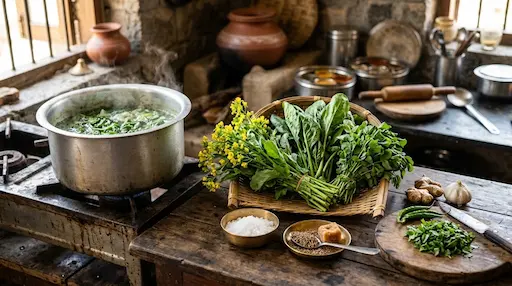
Winter brings the irresistible craving for a steaming bowl of traditional green curry topped with white butter and paired with corn flatbreads. However, nothing dampens culinary enthusiasm quite like an overly sharp or bitter flavor profile in your winter greens. If you have ever wondered about the best palak-methi-sarson-ke-saag-ki-karwahat-door-karne-ke-liye-totka, you are certainly not alone. Mastering these time-tested secrets transforms your dish from unpleasantly pungent to richly comforting and smooth.
In this comprehensive guide, we explore expert-backed methods used by home cooks and professional chefs alike. Whether your mustard greens taste too sharp or your fenugreek leaves carry an unexpected bite, these actionable tips will elevate your seasonal cooking effortlessly.
Understanding Why Winter Greens Turn Bitter
Before diving into corrective measures, it helps to understand why mustard leaves (sarson) and fenugreek (methi) develop such a strong taste. Natural glucosinolates present in cruciferous vegetables often become more concentrated depending on soil conditions, maturity, and weather fluctuations.
Furthermore, older leaves contain more fibrous compounds and pungent oils than tender shoots. When combined with spinach (palak), which adds mildness, balancing the ratios becomes essential. As culinary studies on traditional gastronomy note, understanding ingredient chemistry is the first step toward flawless flavor correction.
“The secret to a well-balanced winter saag lies in managing the natural bitterness of mustard greens through proper proportioning, blanching, and slow simmering.” — Traditional Culinary Journal
Top Proven Totkay to Remove Bitterness from Saag
When your pot of greens tastes sharper than expected, do not panic. Several household remedies and cooking adjustments can rescue your meal instantly. Here are the most effective strategies:
- The Spinach Balance Ratio: If your mustard greens are naturally sharp, reduce their overall volume and increase the quantity of fresh spinach. Spinach provides natural sweetness that neutralizes harsh notes.
- Turmeric Soak Method: Washing your chopped leaves and soaking them in warm water mixed with a teaspoon of turmeric powder for thirty minutes draws out excess pungency effectively.
- Discarding Initial Boil Water: Boiling your greens and discarding the first batch of water removes a significant amount of water-soluble bitter compounds before blending.
- Adding Tang and Dairy: Incorporating a splash of tomato-onion tempering, a dollop of ghee, or fresh cream adds richness that masks residual bitterness.
In addition, slow cooking over low heat for an extended period allows complex flavors to mellow out naturally, resulting in a cohesive and smooth texture.
Comparison of Popular Bitterness Correction Methods
To help you choose the best approach for your specific cooking stage, review this quick comparison of various correction techniques:
| Correction Method | Best Applied When | Impact on Flavor & Texture |
|---|---|---|
| Ratio Adjustment | During initial prep | Mellows overall intensity by increasing mild spinach volume |
| Turmeric Soak | Post-washing stage | Draws out harsh organic compounds before cooking begins |
| First-Water Discard | During boiling phase | Removes heavy bitter compounds instantly (may lose mild nutrients) |
| Ghee & Makki Slurry | During final tempering | Coats palate, adds richness, and balances sharp aftertastes |
For further culinary tips and traditional cooking guides, you can explore the Veg Recipes of India Portal for comprehensive food preparation insights.
Step-by-Step Prevention During Prep Work
Prevention is always superior to correction. By following specific cleaning and chopping practices from the very beginning, you can minimize harsh flavors before the pot even hits the stove.
First, always discard thick, woody stems from your mustard and fenugreek greens, as mature stems harbor the highest concentration of bitter compounds. Second, ensure you use tender leaves and fresh shoots whenever possible. Finally, thorough washing under running water removes grit and surface residue that might contribute off-flavors.
As culinary experts often emphasize, taking time during the sorting phase saves you from complicated flavor corrections later in the cooking process.
“Proper sorting and discarding of tough, mature stems ensure that your final winter dish remains velvety, aromatic, and free of acrid aftertastes.” — Global Gastronomy Review
The Role of Cornmeal (Makki ka Atta) in Flavor Balancing
Adding cornmeal or maize flour is not merely a traditional thickening trick; it plays a vital scientific role in flavor harmonization. When stirred into the boiling greens, maize flour absorbs excess moisture and softens sharp herbal notes.
Furthermore, simmering the saag with cornmeal for twenty to thirty minutes allows starches to bind with the natural oils and spices. This creates a creamy mouthfeel that naturally distracts the palate from any lingering bitterness.
Pro Tips for Final Tempering (Tarka)
The final tempering stage can make or break your dish. A rich tarka acts as the final defense against unwanted flavors.
- Generous Garlic and Ginger: Sautéing plenty of crushed garlic and fresh ginger in ghee or butter introduces warm, savory notes that override sharpness.
- Asafoetida (Hing) Touch: A pinch of hing added to the hot oil aids digestion and imparts a deep, earthy aroma.
- Finishing with White Butter: A generous dollop of fresh white butter added right before serving coats the tongue, smoothing out any remaining sharp edges.
If you want to explore more regional winter recipes and expert kitchen hacks, check out the Global Cooking Network for additional culinary inspiration.
Frequently Asked Questions
Can I use frozen greens without worrying about bitterness?
Frozen greens are often blanched before freezing, which naturally reduces some raw bitterness, though balancing with spinach and proper tempering is still recommended.
Does discarding boiling water destroy all nutrients?
While discarding water does wash away some water-soluble vitamins, it is a great emergency fix if the greens are overwhelmingly bitter and unpalatable.
How can I fix saag that has already been cooked and turned out bitter?
You can rescue cooked saag by sautéing extra onions and tomatoes in ghee, adding them to the pot along with a spoon of cornmeal, and simmering on low heat.
Is methi necessary for traditional saag?
Fenugreek leaves add an authentic aroma and slight medicinal bitterness, but you can reduce the quantity or substitute it entirely with extra spinach if you prefer a milder taste.
Conclusion and Next Steps
Mastering palak-methi-sarson-ke-saag-ki-karwahat-door-karne-ke-liye-totka allows you to prepare restaurant-quality winter comfort food with complete confidence. By understanding leaf selection, utilizing smart soaking techniques, and perfecting your final tempering, every batch will turn out rich, smooth, and flavorful. Are you ready to tie your apron and cook up a comforting winter feast? Gather your fresh greens today, apply these expert tips, and share a delicious homemade meal with your family!