

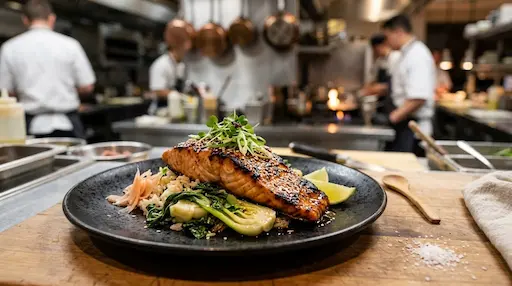
If you want to elevate your weeknight dinner rotation, learning how to prepare a restaurant-quality miso-salmon-gordon-ramsay style dish is an absolute game-changer. Combining rich, umami-packed Japanese flavors with elite culinary techniques, this recipe delivers crispy skin, tender flaky fish, and an unforgettable glaze. Whether you are hosting a dinner party or treating yourself after a long week, mastering this dish brings Michelin-star excellence straight to your kitchen.
Why Gordon Ramsay’s Miso Salmon Stands Out
World-renowned chefs know that salmon requires precision, respect, and proper balance. Traditional recipes often rely on heavy sugary sauces, however, Gordon Ramsay’s approach emphasizes deep flavor profiles through components like yuzu miso, mirin, sake, and fresh aromatics. Therefore, the resulting glaze caramelizes beautifully under intense heat without overpowering the natural richness of the fish.
Furthermore, precision in temperature control ensures that the protein remains succulent and moist. Many home cooks struggle with dry fish because they overcook it. By utilizing high-heat broiling techniques or proper pan-searing methods inspired by professional kitchens, you can achieve that sought-after contrast between a sticky, charred exterior and a tender, medium-rare center.
“The shift toward artisanal ingredients and handcrafted marinades has completely redefined what diners expect from a casual seafood dish in modern gastronomy.” — Balkans Food & Dining Quarterly
Essential Ingredients for the Ultimate Miso Salmon
To replicate an elite culinary creation, sourcing the right ingredients is critical. While substitutions are possible, authentic flavor relies on specific pantry staples found in Japanese and upscale fusion cuisine. Here is a breakdown of what you need for the marinade and the accompanying vegetables.
| Ingredient Category | Primary Items | Chef’s Purpose |
|---|---|---|
| The Protein | Fresh salmon fillet (skin-on, 1-inch thick) | Provides healthy fats and a sturdy base for strong glazes. |
| The Glaze Base | Yuzu miso or white miso paste | Delivers deep umami notes and a naturally sweet, savory depth. |
| Aromatics & Acids | Sake, mirin, fresh ginger, and sudachi/lime zest | Balances richness with bright acidity and complex floral aromas. |
| The Greens | Pak choi (bok choy) and shiitake mushrooms | Adds crisp texture, earthy undertones, and vibrant color balance. |
As illustrated in the table above, every component plays a specific role in balancing the dish. You can explore further professional inspirations and regional seafood guides via Gordon Ramsay Restaurants Recipe Archive for authentic preparation tips.
Step-by-Step Cooking Guide for Miso Salmon
Preparing this dish requires patience during the marination phase, followed by rapid, high-heat cooking. Follow these structured steps to ensure flawless results every single time.
Step 1: Preparing and Marinating the Fish
Begin with a high-quality 700 to 800-gram piece of salmon, ensuring all pin bones are carefully removed. Pat the fish completely dry with paper towels. In a mixing bowl, combine your miso paste, a splash of mirin, sake, light soy sauce, and a touch of brown sugar or honey to create a smooth paste.
Coat the salmon evenly with the marinade. For optimal flavor penetration, cover the dish and let it rest in the refrigerator for at least thirty minutes, though overnight marination yields the most profound flavor development. If you are using kombu seaweed sheets as part of an advanced presentation, lay the salmon over the kombu during this chilling window.
Step 2: Managing the Heat and Broiler
When you are ready to cook, preheat your oven’s broiler to its highest setting. Line a baking sheet with parchment paper or foil, and lightly brush it with oil to prevent sticking. Remove the salmon from the refrigerator and gently scrape away excess marinade so it does not burn prematurely under the intense broiler heat.
Place the fillets skin-side down on the prepared tray. Position the tray approximately four inches from the heating element. Cook the fish for roughly four to six minutes, watching closely until the edges turn dark and caramelized, and the flesh becomes opaque throughout.
“A truly remarkable seafood dish requires absolute harmony between the crust of the glaze, the acidity of the citrus, and the structural integrity of the tender flesh.” — Tirana Culinary Review
Complementary Side Dishes: Pak Choi and Shiitake Mushrooms
A great main course deserves an equally impressive side dish. Gordon Ramsay frequently pairs his Asian-inspired seafood dishes with flash-fried greens and earthy mushrooms to provide textural contrast.
While your salmon rests, heat a wok or large frying pan over medium-high heat with a small amount of neutral cooking oil. Add finely minced garlic and fresh ginger, stirring rapidly for about sixty seconds until fragrant. Toss in sliced shiitake mushrooms and let them cook until their natural moisture evaporates.
Next, introduce your trimmed pak choi leaves and stalks into the wok along with a splash of soy sauce and rice wine vinegar. Toss everything together for an additional minute until the greens are just tender and vibrant green. Serve this alongside the warm miso salmon and a bowl of steamed jasmine or ginger-infused rice.
For additional delivery inspiration and quick weeknight alternatives, you can check out popular food guides such as MasterClass Miso Salmon Guide for professional culinary insights.
Frequently Asked Questions
What type of miso paste is best for this recipe?
White miso paste (shiro miso) or specialized yuzu miso works best because of its mild, slightly sweet flavor profile that caramelizes perfectly under high heat without burning.
Can I freeze marinated salmon for later use?
It is generally best not to freeze fish while it is actively marinating in high-sodium miso pastes, as the salt content can alter the texture of the flesh. Always marinate fresh fish right before cooking.
How do I know when the salmon is fully cooked?
The fish should feel slightly springy when pressed gently with your finger. The internal temperature should reach 145 degrees Fahrenheit, and the flesh should flake easily with a fork.
What are the best side dishes to serve with miso salmon?
Steamed jasmine rice, garlic-ginger baby bok choy, and sautéed shiitake mushrooms complement the rich, savory flavors of the miso glaze exceptionally well.
Conclusion
Mastering a gourmet dish like miso salmon transforms ordinary weeknight cooking into an extraordinary culinary experience. By combining proper marinating techniques with precise broiling methods, you achieve restaurant-grade results in your own kitchen.
Ready to impress your guests? Head to your local market, pick up fresh ingredients today, and try crafting this magnificent recipe for your next dinner gathering!