

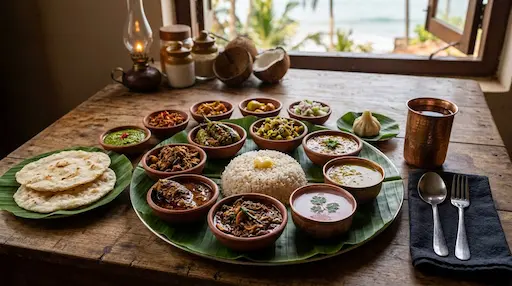
Whether you are a seasoned home cook or an adventurous foodie, understanding what makes this regional feast unique transforms your kitchen routine. Therefore, let us explore the cultural roots, key components, and expert tips inspired by the acclaimed Sanjeev Kapoor Khazana archives.
The Rich Heritage of Konkan and Malvani Flavors
The Sindhudurg district of Maharashtra, particularly the town of Malvan, serves as the spiritual heartland of this distinct culinary style. Unlike mainland Maharashtrian food, Malvani cooking leans heavily on fresh grated coconut, dried red chilies like the fiery Bedgi variety, and a signature spice blend known as Malvani Masala. As a result, every single dish carries a deep, smoky warmth that awakens the senses instantly.
Furthermore, the region’s heavy reliance on the Arabian Sea ensures that seafood takes center stage in authentic preparations. However, vegetarian variations featuring lentils, local legumes, and tangy souring agents like kokum remain equally popular during festive gatherings. Consequently, the balance of heat, sweet jaggery, and sharp acidity creates an unforgettable dining experience.
“A bountiful cuisine made of dishes that are rustic, comforting, delicious, and a true khazana of the coastal yield.” — Culinary Insights Weekly
Anatomy of the Ultimate Malvani Thali
Constructing a traditional platter requires meticulous planning to ensure every element complements the next. Each component on the platter serves a specific purpose, ranging from cutting through rich gravies to providing essential crunch. To help you visualize how these elements interact, consider the structural breakdown in our performance and component analysis table below:
| Component Name | Primary Ingredients | Flavor Profile & Function |
|---|---|---|
| Solkadi | Kokum extract, coconut milk, garlic | Probiotic, cooling, and tangy palate cleanser |
| Malvani Fish Curry or Sagoti | Surmai or chicken, coconut paste, Malvani masala | Rich, spicy, and deeply aromatic main course |
| Kishmoor | Roasted dried fish or raw banana, coconut, onions | Crunchy, savory side dish with immense umami |
| Vade / Rice Bhakri | Multi-grain flour or rice flour | Rustic flatbreads designed to soak up gravies |
As illustrated in the comparison table, every element plays a vital role in creating harmony. Moreover, mastering these individual recipes allows you to assemble a professional-grade feast right in your own dining room.
Mastering Essential Recipes: From Fish Curry to Solkadi
Replicating authentic flavors demands respect for traditional techniques. In classic episodes featured on platforms like the Sanjeev Kapoor Official Recipe Archive, the secret lies in properly roasting whole spices before grinding them with fresh coconut.
For instance, preparing a classic Malvani Fish Curry requires fresh King fish fillets, commonly known as Surmai, gently simmered in a tangy tamarind and coconut base. Additionally, no meal is complete without a glass of vibrant pink Solkadi, which aids digestion after a spicy meal. By following these tried-and-tested methods, you can achieve restaurant-quality results without leaving your home.
“The secret to authentic coastal cooking lies in the patient roasting of spices and the fresh extraction of coconut milk.” — Indian Food Heritage Quarterly
Pro Tips for Hosting Your Own Coastal Feast
Hosting a dinner party centered around a grand regional platter can feel intimidating. However, breaking down the prep work into manageable steps ensures a stress-free experience. First, prepare your dry spice blends and coconut pastes a day in advance. Next, ensure your accompaniments like fresh salads, lemon wedges, and fried papads are organized neatly.
For additional visual inspiration and step-by-step cooking demonstrations, you can explore the Sanjeev Kapoor Khazana YouTube Channel to watch masterclasses on regional Indian thalis. Ultimately, your guests will appreciate the dedication poured into every authentic bite.
Conclusion and Next Steps
Embracing the vibrant world of a traditional coastal platter opens up an entirely new dimension of Indian cooking. From the fiery depth of chicken sagoti to the refreshing tang of kokum, these recipes offer a masterclass in flavor balancing. Are you ready to elevate your weekend cooking? Gather your spices, fire up your stove, and recreate this legendary feast for your family today!
Frequently Asked Questions
What makes a malvani thali different from other Indian thalis?
It stands out due to its heavy use of fresh grated coconut, fiery dried red chilies, signature Malvani masala, and coastal souring agents like kokum.
What is Solkadi and why is it served with this meal?
Solkadi is a traditional pink probiotic drink made from kokum extract and coconut milk, served to cool the palate and aid digestion.
Can you make a vegetarian version of this coastal feast?
Yes, vegetarian versions substitute seafood with local legumes, seasonal vegetables, and raw banana preparations while maintaining the core spice profile.
Where can I find authentic recipes for these coastal dishes?
You can find reliable step-by-step video guides and written recipes through official cooking archives and culinary networks.