

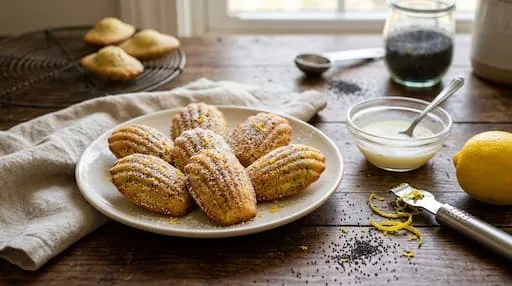
Baking French pastries can feel intimidating, yet mastering lemon-poppy-seed-madeleines-gordon-ramsay style brings professional culinary precision right into your home kitchen. These iconic, shell-shaped sponge cakes combine bright citrus notes with a delicate crunch, transforming simple afternoon tea into an upscale dining experience. Whether you are an experienced baker or a passionate novice, understanding the science behind the iconic sponge hump is the key to culinary success.
Many home cooks struggle with achieving that signature airy texture combined with a buttery richness. However, by adopting professional techniques inspired by master chefs, you can bypass common pitfalls like dense batter or stuck molds. Let us explore the exact ingredients, professional methods, and expert tips required to elevate your baking game.
The Appeal of French Madeleines with a Citrus Twist
Traditional French madeleines have delighted dessert lovers for centuries. By adding fresh lemon zest and nutty poppy seeds, you introduce a vibrant layer of flavor that cuts through the rich, buttery crumb. Furthermore, this specific flavor profile bridges the gap between classic French patisserie and comforting home-style baking.
According to culinary experts, citrus oils react dynamically with fats and sugars during the mixing process. As a result, every bite delivers an aromatic punch that lingers pleasantly on the palate. In addition, the visual speckles from the poppy seeds provide an elegant, professional presentation that looks stunning on any dessert table.
“The secret to a great madeleine lies in the temperature contrast and gentle folding. Treat the batter with absolute respect, and the oven will reward you with a magnificent rise.” — Master Pastry Quarterly
Essential Ingredients for Professional Results
Achieving restaurant-quality results starts with sourcing high-quality components. Because this recipe uses a short ingredient list, each item plays a critical role in the final texture and flavor profile.
- Fresh Eggs: Three medium or large eggs provide the core structure and heavy aeration needed for the sponge rise.
- Caster Sugar or Fine Crystal Sugar: About 80 grams of sugar sweetens the cake while maintaining a light, dissolved structure.
- Honey: A single tablespoon of honey introduces moisture and promotes a golden, caramelized exterior.
- Flour: Plain flour or self-raising flour (around 80 to 150 grams depending on your exact formulation) creates a tender crumb.
- Ground Almonds: A touch of almond flour adds nutty depth and extra moisture retention.
- Unsalted Butter: Roughly 75 to 100 grams of melted, cooled butter gives the pastry its signature rich flavor.
- Poppy Seeds: One to two tablespoons provide a subtle crunch and distinct visual appeal.
- Lemon Zest: The freshly grated rind of one lemon delivers clean, aromatic citrus oils.
Furthermore, avoiding low-quality substitutions ensures your cakes maintain their delicate structure. Always use fresh citrus rather than bottled juice or extract for the best possible taste.
Step-by-Step Preparation Method
Precision is everything when executing gourmet pastry recipes. Therefore, follow these sequential steps carefully to ensure optimal results from start to finish.
- Whisk the Base: In a clean bowl, combine the eggs, sugar, and honey. Whisk vigorously by hand or with an electric beater until the mixture turns pale, thick, and creamy enough to leave a ribbon trail.
- Incorporate Dry Ingredients: Sift your flour and optional baking powder into a separate bowl. Gradually and gently fold the dry components into the whisked egg mixture.
- Add Flavorings: Stir in the poppy seeds and freshly grated lemon zest, ensuring they distribute evenly throughout the batter.
- Incorporate Butter: Slowly pour the cooled, melted butter down the side of the bowl. Fold it in very gently to avoid deflating the airy egg foam.
- Chill the Batter: Cover the bowl tightly and refrigerate it. Chilling the batter is crucial for creating the signature thermal shock needed for the hump.
- Prep the Molds: Generously brush your traditional madeleine pan with softened butter and dust lightly with flour, tapping out any excess.
- Bake to Perfection: Spoon or pipe the chilled batter into the molds. Bake at a high initial temperature (such as 190°C or 180°C fan) for 10 to 12 minutes until golden and springy.
Comparison of Baking Approaches for Madeleines
Different kitchen setups require minor adjustments to baking times and temperatures. Review this comparison table to choose the best method for your specific equipment.
| Method Style | Oven Temperature | Baking Time | Texture Profile |
|---|---|---|---|
| Traditional High-Heat Shock | 220°C dropping to 160°C | 8-10 Minutes | Maximum hump, crisp edge, ultra-soft center |
| Standard Fan Oven | 180°C / 170°C fan | 10-12 Minutes | Even golden crust, tender crumb, balanced rise |
| Silicone Mold Baking | 180°C standard | 12-14 Minutes | Slightly softer exterior, uniform baking |
As you experiment with these parameters, you will quickly discover which setup yields your preferred balance of crunch and softness.
Expert Tips for Avoiding Common Baking Mistakes
Even professional bakers occasionally encounter minor setbacks when making delicate sponge cakes. Consider these expert troubleshooting tips:
- Never Skip the Chill: Placing your batter in the refrigerator for at least an hour creates the necessary temperature differential when it hits the hot oven.
- Prepare Molds Thoroughly: If using traditional metal tins, do not skimp on the butter and flour coating; otherwise, your cakes will stick and break.
- Do Not Over-Mix: Once you add the melted butter, fold minimally to preserve the trapped air bubbles that give madeleines their lightness.
“Baking is both an art and a strict science. Respect the chilling time, and your pastries will always rise with pride.” — Global Pastry Insights
Furthermore, serving these treats fresh out of the oven guarantees the best sensory experience for your guests or family members.
Frequently Asked Questions
Why do madeleines develop a hump on top?
The distinctive hump forms when cold batter hits a hot oven. The sudden thermal shock causes the outer edges to set quickly while the center continues expanding upward, creating the iconic shell shape.
Can I make the batter ahead of time?
Yes, you can refrigerate madeleine batter for up to 24 hours. In fact, many pastry chefs prefer overnight chilling because it deepens the flavor and improves the final rise.
What can I use if I do not have a madeleine tin?
If you lack a traditional shell mold, you can use a mini-muffin tin. While you will miss out on the classic shape, the flavor and tender texture remain entirely delicious.
Conclusion and Next Steps
Mastering lemon-poppy-seed-madeleines-gordon-ramsay style elevates your home baking repertoire and brings restaurant-quality finesse to your kitchen. By combining fresh citrus, careful aeration, and proper chilling techniques, you unlock the secret to bakery-standard French pastries.
Ready to start baking? Gather your ingredients, prep your pans, and explore more professional recipes on the Official Gordon Ramsay Official Website for additional culinary inspiration today!