

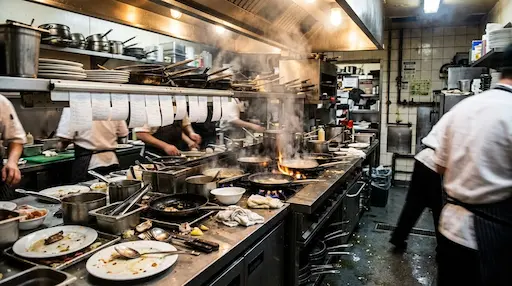
When Gordon Ramsay walked through the doors of Lido di Manhattan in Manhattan Beach, California, viewers braced themselves for another classic reality TV disaster. The upscale eatery, plagued by a dated menu, an ancient point-of-sale system, and a disconnected young owner, seemed destined for the restaurant graveyard. Yet, unlike many businesses featured on the show, the kitchen nightmare at lido evolved into one of the most remarkable comeback stories in culinary television history.
Reality television often exaggerates conflicts for dramatic effect. However, the foundational struggles at Lido were entirely genuine. Behind the sun-drenched facade of Manhattan Beach, owner Lisa Hemmat was trying to manage a sophisticated establishment without active leadership. Therefore, when chef Ramsay intervened, it forced a harsh reckoning that ultimately saved the business from permanent closure.
The Roots of Failure: Why Lido Di Manhattan Was Struggling
Before Ramsay’s arrival, Lido di Manhattan operated under a false sense of security. Despite being located in an affluent neighborhood, the restaurant suffered from severe operational bottlenecks. Fresh ingredients were buried under pre-cooked shortcuts, and the kitchen staff lacked clear direction.
Furthermore, the establishment was weighed down by a prehistoric point-of-sale system. Ramsay famously compared navigating the archaic hardware to launching a rocket into space. This technological paralysis created massive communication gaps between the front-of-house staff and the kitchen. As a result, service times dragged, customer complaints piled up, and food waste skyrocketed.
“The best chefs in the world do not tolerate a lack of basic hygiene or outdated systems. True accountability starts the moment an owner steps up to take charge of daily operations.” — Culinary Management Insight
The Turning Point: Gordon Ramsay’s Harsh Intervention
Every episode of the hit series relies on a dramatic catalyst, and the visit to Lido was no exception. During a tense dinner service observation, Ramsay halted operations over dust accumulation near the ventilation. While critics and online forums frequently debate whether the temporary shutdown was exaggerated for television, the strategic objective was clear: shatter the complacency of the management team.
The shock tactic worked, albeit painfully. Overwhelmed by the mounting criticism, owner Lisa Hemmat famously retreated to the restroom in tears. However, unlike many stubborn owners who deflect blame onto staff or consultants, Lisa returned with a renewed perspective. She realized that passive ownership was destroying her dream.
| Operational Area | Before Ramsay’s Intervention | The Post-Renovation Standard |
|---|---|---|
| Technology | 30-year-old archaic POS system causing extreme delays | Modern, streamlined digital ordering system |
| Menu Focus | Overly complex, inconsistent, and frozen-heavy items | Refined, fresh, locally sourced California Italian dishes |
| Management Style | Distant, passive supervision with zero kitchen oversight | Active leadership, daily briefings, and strict accountability |
Rebuilding the Menu and the Brand
A successful restaurant turnaround requires more than shouting matches and fresh paint. Chef Scott Liebfried and the consulting team worked closely with the kitchen to strip away bloated, uninspired dishes. They replaced them with vibrant, authentic Italian-American fare that honored fresh coastal ingredients.
In addition to culinary upgrades, the physical dining room received a much-needed aesthetic refresh. The space transitioned from a tired, dark environment into a bright, welcoming atmosphere that resonated with local diners in Manhattan Beach. For more background on how reality TV transformations impact local businesses, you can explore insights from Food Network.
Where Are They Now? The Long-Term Success of Lido
Many fans wonder which restaurants actually survive after the production cameras stop rolling. While statistics show that a vast majority of featured establishments eventually close their doors, Lido di Manhattan proved to be a golden exception.
Years after the episode aired, Lisa Hemmat leveraged her business degree and the lessons learned from Ramsay to expand her footprint. She successfully maintained Lido di Manhattan while launching a second venue, Playa Hermosa Fish and Oyster, and even introduced her own proprietary wine line. Her journey underscores a vital truth: expert mentorship only works when paired with relentless personal drive.
“Sustainable restaurant success relies on consistent execution, financial discipline, and an unwavering commitment to quality long after the television crew departs.” — Restaurant Industry Analyst
Key Lessons From the Lido Di Manhattan Transformation
Aspiring entrepreneurs and hospitality professionals can draw several valuable takeaways from this famous television episode:
- Never Ignore Infrastructure: Outdated equipment creates hidden bottlenecks that cripple service speed and staff morale.
- Owners Must Lead: Delegating management without maintaining personal oversight invites operational decay.
- Embrace Feedback: Constructive criticism, no matter how harsh, provides the blueprint for necessary structural changes.
Frequently Asked Questions
Is Lido di Manhattan still open today?
Yes, Lido di Manhattan remains open and continues to serve patrons in Manhattan Beach, making it one of the most enduring success stories from the entire series.
Why did Gordon Ramsay shut down the kitchen during the episode?
Ramsay temporarily shut down the kitchen to highlight hygiene issues and shake up the complacent staff, establishing a strict baseline standard for cleanliness and accountability.
What other business ventures did Lisa Hemmat pursue?
Following the turnaround of Lido, Lisa expanded her culinary career by opening a second restaurant called Playa Hermosa and developing her own wine brand.
Conclusion and Next Steps
The famous kitchen nightmare at lido serves as a powerful reminder that failure does not have to be permanent. Through tough love, operational overhauls, and sheer resilience, a struggling eatery transformed into a thriving community staple. If you want to explore more deep dives into iconic restaurant transformations and industry tips, subscribe to our official blog newsletter today!