

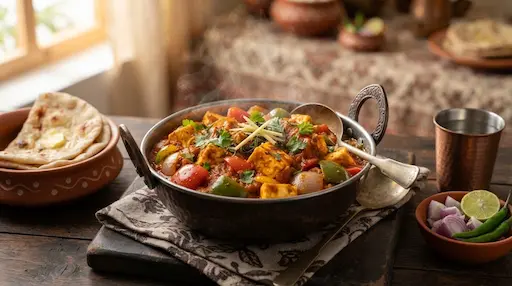
Many home cooks struggle to replicate the smoky, robust depth found in fine dining establishments. However, the secret lies in mastering the traditional cast-iron wok technique and utilizing whole spices. As a result, anyone can transform simple pantry staples into a masterpiece. Let us dive deep into the philosophy and step-by-step methodology behind this legendary culinary icon.
The Philosophy Behind Authentic Restaurant-Style Indian Curries
Renowned culinary artists continually emphasize that extraordinary flavor stems from proper technique rather than complicated ingredients. When preparing vegetarian classics, texture and aroma take center stage. The magic of a true kadai preparation relies heavily on the “kadai masala”—a coarse blend of roasted coriander seeds, dried red chilies, and whole warm spices.
In addition, modern food science highlights how freshly toasted spices release essential oils that pre-ground powders simply cannot match. Therefore, taking five extra minutes to dry roast your spices creates a profound aromatic lift. Let us explore the core nutritional components that make this dish both indulgent and satisfying.
“The secret to an exceptional Indian curry is never about masking flavors; it is about building layers through precise timing, fresh aromatics, and proper spice blooming.” — Culinary Arts & Gastronomy Review
Furthermore, understanding the balance between acidity and fat ensures your gravy avoids feeling heavy. Let us break down the exact ingredients required to achieve perfection.
Essential Ingredients for the Ultimate Kitchen Success
Gathering fresh, high-quality components is the mandatory first step toward culinary excellence. Here is everything you need to source for your cooking session.
1. The Core Components and Fresh Produce
At the center of the dish is high-quality cottage cheese, typically cut into clean cubes or triangles to absorb maximum gravy. You will also need firm green and red capsicum, crisp onions, ripe tomatoes, and rich tomato puree. Fresh ginger-garlic paste and crushed dried fenugreek leaves (kasuri methi) complete the aromatic profile.
For expert guidance on selecting premium cookware and kitchen tools, you can explore the Official Sanjeev Kapoor Recipe Portal for further culinary inspiration.
2. Crafting the Signature Kadai Masala
The defining characteristic of this dish is its specialized spice mix. Essential components include whole coriander seeds, Kashmiri dried red chilies for a vibrant red hue without overwhelming heat, fennel seeds, green cardamoms, cloves, and a small touch of cinnamon.
Step-by-Step Cooking Instructions
Achieving authentic restaurant results at home depends on precise temperature control and sequential layering. Follow this structured workflow to bring your dish together seamlessly.
- Toast the Whole Spices: Dry roast your coriander seeds, dried red chilies, fennel seeds, and cardamoms on low heat until fragrant. Grind them into a coarse, aromatic powder.
- Prepare the Base Masala: Heat oil and butter in a non-stick pan or traditional iron wok. Sauté finely chopped onions until golden brown, then add your ginger-garlic paste.
- Incorporate Tomatoes: Add chopped tomatoes and smooth tomato puree. Cook the mixture patiently until the oil begins to separate from the edges of the pan.
- Layer the Spices: Stir in turmeric powder, red chili powder, and a generous portion of your freshly ground kadai masala. Let the spices bloom in the hot fat for one minute.
- Add Crunch and Texture: Toss in diced onions, green capsicum, and red bell peppers along with a splash of water. Cook briefly to ensure the vegetables retain a crisp bite.
- Finish with Paneer and Cream: Gently fold in your cottage cheese cubes, a touch of kasuri methi, and heavy cream. Simmer for a final minute before serving hot.
Nutritional Profile and Dietary Breakdown
To help you understand how this rich dish fits into a balanced lifestyle, examine our nutritional breakdown comparing standard serving metrics.
| Nutrient Metric | Traditional Recipe Value | Healthy Lifestyle Impact |
|---|---|---|
| Protein Content | High (approx. 20-25g) | Supports muscle recovery and satiety |
| Dietary Fiber | Moderate (via bell peppers and spices) | Aids digestion and gut health |
| Carbohydrates | Low to Moderate | Minimal starch impact when paired with veggies |
| Calcium & Minerals | Rich (from fresh cottage cheese) | Strengthens bone density |
Expert Tips for Elevating Your Homemade Curry
Even classic recipes benefit from professional kitchen habits. Paying attention to minute details transforms an ordinary weeknight dinner into an extraordinary feast.
First, never overcrowd your pan when searing vegetables or paneer. If the surface is overloaded, the ingredients will steam rather than develop those wonderful roasted edges. Second, always crush your kasuri methi between your palms right before adding it to release maximum essential oils.
“Proper spice management separates amateur cooking from professional mastery. Toasting whole seeds awakens dormant flavor compounds instantly.” — International Chef Guild
Furthermore, do not skip the final garnish of fresh ginger juliennes. They provide a sharp, clean contrast that cuts through the rich, creamy gravy.
Frequently Asked Questions
Can I make this kadai paneer recipe ahead of time?
Yes, you can prepare the gravy base hours in advance. Simply add the fresh paneer cubes and cream just before heating up the dish to prevent the cheese from turning rubbery.
What is the best accompaniment for this curry?
This dish pairs exceptionally well with butter naan, tandoori roti, flaky parathas, or steaming hot basmati jeera rice.
Can I substitute paneer with tofu for a vegan option?
Absolutely! Firm tofu works wonderfully as a direct plant-based substitute while absorbing all the rich spices of the kadai masala.
Where can I find more authentic chef-tested recipes?
You can explore thousands of trusted culinary guides and cooking tutorials by visiting the Sanjeev Kapoor Master Kitchen website.
Conclusion
Mastering this dynamic vegetarian classic proves that restaurant-quality Indian cooking is entirely achievable at home. By combining freshly toasted spices, crisp bell peppers, and tender cottage cheese, you can elevate your regular dinner routine into something truly extraordinary.
Ready to transform your dining table? Grab your wok, gather your fresh ingredients, and subscribe to our culinary newsletter today for more expert recipes and chef secrets delivered straight to your inbox!