

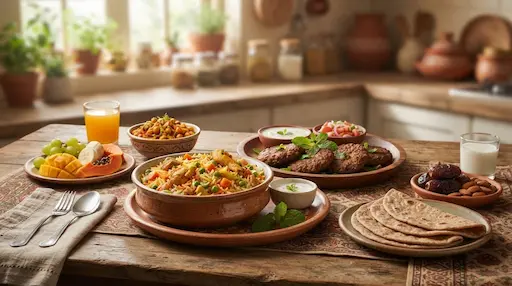
Picky eating is a massive challenge for parents in Pakistan today. Getting children to eat nutritious meals can feel like a daily battle. However, providing balanced nutrition is vital for early physical and cognitive growth.
According to research from UNICEF Pakistan, over four out of ten children under five suffer from stunting. Therefore, serving nutrient-dense meals at home is more important than ever. Finding tasty, local ingredients can transform your child’s mealtime experience completely.
In this comprehensive guide, we explore the top 10 healthy foods for kids in pakistan that naturally appeal to young taste buds. These traditional options deliver essential vitamins, minerals, and proteins without sacrificing flavor or simplicity.
Understanding Childhood Nutrition Needs in Pakistan
Children need a steady supply of micronutrients to fuel their rapid growth. Traditional Pakistani diets often rely heavily on refined carbohydrates and fried snacks. As a result, many young children miss out on critical iron, zinc, and calcium.
Data published by the Global Nutrition Report highlights ongoing micronutrient deficiencies among school-age children in South Asia. In addition, high sugar consumption from packaged juices and bakery items harms dental health and metabolic growth.
“Over 37 percent of children under five years of age in Pakistan suffer from chronic stunting due to poor dietary diversity and early nutrient gaps.” — National Nutrition Survey Findings
Fortunately, the typical Pakistani kitchen already holds incredible, budget-friendly ingredients. By tweaking presentation and cooking techniques, you can turn humble staples into exciting, kid-approved dishes.
10 Healthy Foods for Kids in Pakistan That Taste Amazing
Here are ten nutrient-packed foods that deliver maximum health benefits while keeping mealtime fun and delicious for your little ones.
1. Farm Eggs (Boiled, Scrambled, or Omelet Rolls)
Eggs are complete protein powerhouses. A single large egg delivers roughly six grams of high-quality protein alongside choline for brain development.
In addition, egg yolks contain vitamin D and lutein for vibrant eye health. Serve a boiled egg with a dash of chaat masala. Alternatively, wrap a vegetable omelet in a soft whole-wheat roti for a quick school breakfast.
2. Plain Fresh Yogurt (Dahi) with Honey or Fruits
Fresh dahi is a staple in almost every Pakistani home. It contains gut-friendly probiotics, bone-strengthening calcium, and bioavailable protein.
Furthermore, dahi soothes young digestive systems during warm summers. You can blend plain yogurt with seasonal mangoes or strawberries. Consequently, your children get a delicious, ice-cream-like treat without any artificial colors.
3. Lentils (Masoor and Moong Daal Wraps)
Lentils are rich sources of plant-based protein, dietary fiber, and iron. Iron deficiency anemia remains widespread among young children across the country.
For best results, cook thick yellow moong or red masoor daal with mild garlic. Spread the thick daal over a chapati and roll it tightly. Consequently, this mess-free meal packs severe nutritional power into school lunchboxes.
4. Fresh Dates (Khajoor) and Nut Butter
Dates provide immediate, clean energy packed with natural potassium, magnesium, and dietary fiber. They serve as nature’s perfect candy alternative for sweet cravings.
Moreover, stuffing pitted soft dates with natural almond or peanut butter adds healthy fats. This simple snack keeps kids full and focused through long afternoon study sessions.
5. Roasted Chickpeas (Bhuna Chana) and Makhana
Swap processed potato chips for crunchy roasted chickpeas and lotus seeds (makhana). These traditional snacks offer plant protein, complex carbs, and essential minerals like zinc.
Lightly roast makhana in pure desi ghee with a pinch of sea salt. As a result, children get a satisfying crunch that boosts bone density and metabolic health.
6. Suji and Oats Porridge (Nutritious Daliya)
Whole oats and semolina (suji) provide slow-release complex carbohydrates. They sustain physical energy levels and prevent mid-morning blood sugar crashes.
In addition, cooking oats or suji in milk with crushed cardamom creates a soothing pudding. Top it with chopped raisins and walnuts to make a heart-healthy breakfast that kids enjoy.
7. Besan Chilla (Gram Flour Savory Pancakes)
Besan, or chickpea flour, is naturally gluten-free and loaded with dietary fiber and folate. It provides far more sustained nutrition than refined maida flour.
Whisk besan with water, finely chopped coriander, and mild cumin powder. Cook thin, crispy pancakes on a flat skillet. Serve these savory chillas with mint chutney for an instant flavor hit.
8. Local Seasonal Guava (Amrood) and Bananas
Fresh seasonal fruits are essential components of healthy foods for kids in pakistan. Local guava provides significantly more vitamin C per serving than imported citrus fruits.
Bananas offer accessible potassium and vitamin B6 to support muscle function and growth. Slice guavas and bananas into fun shapes to encourage quick, healthy snacking between meals.
9. Whole Wheat Roti Rolls with Chicken or Paneer
Refined white bread lacks essential grain nutrients. Whole-wheat chakki atta chapati delivers whole-grain fiber, B vitamins, and complex energy.
Fill soft whole-wheat rotis with shredded grilled chicken breast or cubed paneer. Add cucumber slices and mild yogurt sauce for a balanced, protein-dense dinner meal.
10. Mixed Nut Powder (Almonds, Walnuts, and Raisins)
Nuts contain high amounts of omega-3 fatty acids, vitamin E, and healthy fats. These nutrients support optimal brain function and immune defense in young bodies.
However, whole nuts can pose a choking hazard for younger toddlers. Grind almonds, walnuts, and pistachios into a fine powder. Stir this powder into warm milk or oatmeal for an instant nutrition boost.
“Simple food swaps—like replacing packaged biscuits with roasted chana or fruit dahi—can reduce added sugar intake by up to 20 grams per day.” — Insights from Marham Health Platform
Comparing Nutritious Foods for Pakistani Children
Use this helpful comparison table to plan balanced meals based on key nutrients, preparation speed, and target benefits for your family.
| Food Item | Primary Nutrients | Preparation Time | Best Meal Occasion |
|---|---|---|---|
| Boiled/Scrambled Eggs | Protein, Choline, Vitamin D | 5 Minutes | Breakfast / Morning Snack |
| Plain Dahi & Fruit | Calcium, Probiotics, Protein | 3 Minutes | After-School Snack |
| Thick Daal Roti Wrap | Iron, Fiber, Complex Carbs | 15 Minutes | School Lunchbox |
| Dates with Nut Butter | Potassium, Fiber, Healthy Fats | 2 Minutes | Pre-Sports Energy Boost |
| Roasted Makhana & Chana | Zinc, Magnesium, Plant Protein | 10 Minutes | Evening Crunch Snack |
| Suji / Oats Daliya | B Vitamins, Complex Carbs | 12 Minutes | Warm Breakfast |
Smart Strategies for Picky Eaters in Pakistan
Even the healthiest ingredients will not help if your child refuses to eat them. Therefore, presentation and routine play major roles in developing healthy eating habits.
First, involve your children in kitchen tasks. Let them wash fruits or stir cool yogurt bowls. Research shows kids eat better when they help prepare the meal.
Second, introduce new foods alongside familiar favorites. For example, add a small portion of besan chilla next to their favorite potato cutlet. Patience and gentle repetition always beat forced feeding.
Third, keep presentation fun and creative. Use cookie cutters to shape whole-wheat sandwiches or rotis into stars and hearts. Bright colors and playful shapes make wholesome meals feel less intimidating.
Frequently Asked Questions
What are the best healthy foods for kids in Pakistan?
The top options include boiled eggs, plain dahi with fruit, thick daal roti wraps, soft dates with nut butter, roasted chana, oats daliya, besan chilla, seasonal guava, whole wheat chicken rolls, and mixed nut powders.
How can I make my picky eater eat traditional Pakistani foods?
Serve smaller portions and use creative presentations like roti rolls or cookie-cutter shapes. In addition, lower spices slightly and pair new foods with dishes your child already loves.
Are dates safe for young children and toddlers?
Yes, soft dates are fantastic natural energy foods for toddlers. Chop them finely or blend them into milk and porridge to eliminate any choking risk.
Why is plain dahi better than flavored store-bought yogurt?
Commercial flavored yogurts often contain high amounts of added refined sugar and artificial dyes. Plain dahi offers pure probiotics and calcium without unhealthy additives.
How much protein does a growing school-age child need daily?
School-age children generally need between 19 to 34 grams of protein daily, depending on their exact age, weight, and activity level.
Conclusion: Start Building Healthy Eating Habits Today
In summary, nourishing your family with healthy foods for kids in pakistan does not require expensive imported items or complicated recipes. Traditional staples like eggs, dahi, daal, dates, and whole grains offer all the vital nutrients growing children need.
Are you ready to transform your child’s daily nutrition? Pick two or three foods from this list and add them to your family meal plan this week for a healthier, happier kitchen!