

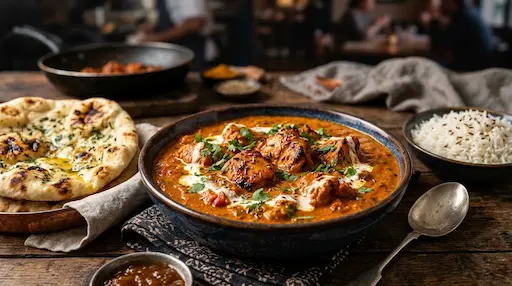
If you want to transform a simple weeknight dinner into an extraordinary culinary experience, learning how to prepare a proper chicken tikka masala gordon ramsay style is the ultimate way to do it. Celebrated master chef Gordon Ramsay has spent decades demystifying global cuisines, and his approach to this beloved dish focuses heavily on building intense aromatic layers, perfectly searing the meat, and blending the sauce to a silky, velvet-like consistency. Whether you are cooking for a weekend gathering or craving a comforting takeaway alternative, this foolproof blueprint guarantees professional results right in your own kitchen.
Many home cooks struggle with achieving that rich, complex depth found in high-end restaurants, often ending up with a watery tomato base and rubbery chicken. However, understanding the core principles of high-heat searing, precise spice blooming, and careful dairy finishing changes everything. In this comprehensive guide, we will break down the essential ingredients, step-by-step cooking techniques, common pitfalls to avoid, and expert serving tips to ensure your dish turns out absolute perfection.
Understanding the Philosophy Behind Chef Ramsay’s Curry Method
What sets this specific recipe apart from standard homestyle variations is the deliberate attention paid to texture and flavor distribution. When you explore the chicken tikka masala gordon ramsay method, you will notice that the sauce is completely blended into a smooth emulsion rather than left chunky. Furthermore, blooming ground spices directly in oil before introducing tinned tomatoes unlocks essential fat-soluble compounds, preventing any raw, powdery aftertaste.
Culinary experts note that great Indian-inspired gravies should always maintain a glossy, clinging consistency that coats every piece of protein. By sweating down onions, garlic, and fresh ginger until fragrant before simmering, the foundational flavor base becomes rich and complex. As a result, every single spoonful delivers layers of comforting taste rather than a flat, metallic acidity often associated with rushed cooking methods.
Expert Insight: According to professional culinary standards, the secret to a world-class curry lies in the sauce reduction. As Chef Ramsay frequently emphasizes, letting your tomato base cook out properly ensures that the raw edge disappears entirely.
Essential Ingredients for Your Homemade Curry
Before firing up your stove, gathering the right components is crucial for success. You do not need complex professional equipment, but fresh, high-quality produce makes an immense difference in the final taste. Here is everything you will need to assemble your ingredients workspace:
- Protein: 500 grams of boneless chicken thighs or breasts, cut into bite-sized pieces. (Thighs remain juicier during the final simmer.)
- Aromatics: 1 large onion sliced thin, 3 crushed garlic cloves, and a 2cm piece of fresh ginger roughly chopped.
- Heat Elements: 1 to 2 fresh green chillies, deseeded and chopped, plus 1 teaspoon of chili powder.
- Cooking Fat: 2 tablespoons of groundnut oil or vegetable oil for clean high-heat frying.
- Whole and Ground Spices: 1 teaspoon of ground turmeric and 2 teaspoons of garam masala.
- Tomato Foundation: 1 tablespoon of tomato puree and 1 standard 400g tin of chopped tomatoes.
- Finishing Touches: 1 tablespoon of soft brown sugar, 4 to 6 tablespoons of natural yogurt, and a handful of fresh coriander leaves.
- Rice Accompaniment: 400g basmati rice, 3 cardamom pods, and 2 star anise for fragrant steaming.
When selecting your spices, remember that fresh aromatics yield a brighter, more vibrant flavor profile. If your garam masala smells dusty or muted in the jar, it is time to replace it before cooking.
Comparative Overview of Popular Curry Styles
To understand how this classic dish fits into the broader world of Indian-inspired main courses, review this quick comparison against other popular styles:
| Dish Style | Primary Flavor Profile | Best Paired With |
|---|---|---|
| Chicken Tikka Masala (Ramsay Style) | Vibrant, garlic-forward, moderately spiced, and velvety smooth | Basmati rice, garlic naan, or warm rotis |
| Traditional Butter Chicken | Rich, tomato-heavy, buttery, and luxuriously sweet | Tandoori naan and stuffed parathas |
| Classic Korma | Mild, nutty, aromatic, and thickened with yogurt or nut paste | Pulao and roomali roti |
| Vindaloo | Pungent, vinegar-heavy, extremely spicy, and deeply savory | Plain steamed rice to cool the palate |
For more detailed culinary inspiration and expert food preparation techniques, you can explore the Gordon Ramsay Official Website for fantastic cooking masterclasses.
Step-by-Step Cooking Guide
With your ingredients prepped and ready, the cooking process is straightforward yet requires attention to detail. Follow these precise steps to achieve a silky smooth, professional consistency.
Step 1: Building the Aromatic Sauce Base
Start by heating a tablespoon of groundnut oil in a large frying pan over a medium flame. Add your sliced onions and fry them until they begin to soften and turn translucent. Meanwhile, toss in your chopped green chillies, fresh ginger, and crushed garlic, cooking for another two to three minutes until the kitchen fills with an incredible aroma. This forms the essential flavor foundation of your dish.
Step 2: Blooming the Spices and Tomatoes
Next, introduce your ground turmeric, chili powder, garam masala, and soft brown sugar directly into the pan. Stir constantly for one to two minutes to toast the spices in the oil. Once bloomed, stir in the tomato puree and tinned chopped tomatoes. Allow this mixture to bubble and simmer for a few minutes so the flavors meld together harmoniously.
Step 3: Blending to Silkiness
Carefully transfer the hot sauce mixture from your frying pan into a food processor or blender jug. Blitz the contents until completely smooth and free of any chunks. This blending step is what separates a lumpy homemade curry from a restaurant-quality masterwork, ensuring a mouthfeel that pours like double cream.
Step 4: Searing the Chicken and Simmering
Wipe out your pan, add another tablespoon of fresh oil over high heat, and sear your seasoned chicken pieces until lightly colored on all sides. Pour the blended sauce directly back over the seared chicken along with a handful of dried curry leaves. Cover the pan with a lid and let it simmer gently for ten minutes until the meat is cooked through and tender.
Step 5: Finishing and Serving Hot
Take the pan off the heat before swirling in your natural yogurt and half of the chopped fresh coriander. Avoid stirring the yogurt too aggressively so you retain beautiful white swirls through the vibrant orange sauce. Season with salt and pepper to taste, then serve alongside your fragrant cardamom-steamed basmati rice.
Expert Insight: Never add yogurt to boiling liquid over high heat. Taking the pan off the heat first prevents the dairy from splitting and curdling, keeping your sauce smooth and creamy.
Frequently Asked Questions
Can I use chicken breast instead of chicken thighs?
Yes, you can use boneless chicken breasts, but keep in mind that thighs contain more natural fat and stay much juicier during the final simmer. If you prefer breast meat, cut the pieces slightly larger and check them early to prevent drying out.
Why do I need to blend the sauce?
Blending the sauce breaks down the onions and tomatoes into a uniform emulsion. This technique mimics professional restaurant methods, giving the curry its signature velvety texture without needing excessive heavy cream.
How do I prevent my yogurt from curdling?
Yogurt curdles when exposed to high, direct heat. To prevent this, always turn off or remove the pan from the heat source before swirling the yogurt into the warm curry base.
Can I prepare this dish ahead of time?
You can easily prepare the blended sauce base a day in advance and store it in the refrigerator. When you are ready to eat, simply sear your chicken, combine the ingredients, and finish the dish with fresh yogurt.
Conclusion and Next Steps
Mastering the art of making a chicken tikka masala gordon ramsay style dish is an immensely rewarding culinary project that elevates your home cooking repertoire. By respecting the process of blooming spices, achieving proper meat searing, and blending your sauce to a smooth emulsion, you create a wholesome restaurant-grade feast that delights family and guests alike. For further cooking masterclasses and professional kitchen tools, check out MasterClass Online Learning for expert guidance.
Ready to get cooking? Gather your fresh ingredients today, whip up a sizzling batch of this comforting curry, and share your delicious culinary creations with everyone at your table!