

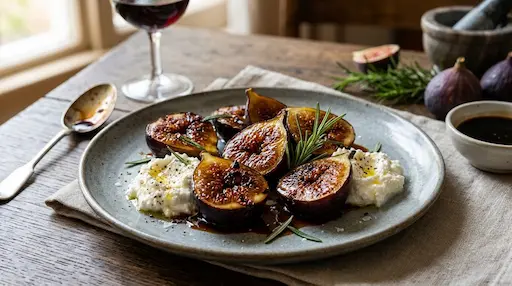
Are you ready to transform simple fresh produce into a world-class culinary masterpiece? When you explore the art of making caramelised-figs-with-balsamic-vinegar-rosemary-and-ricotta-gordon-ramsay, you unlock a vibrant, elegant dessert that balances rich sweetness with sharp acidity. Popularized through masterclasses and home cooking guides, this dish demonstrates how humble black figs can absorb deep caramel, aromatic wood, and tangy dairy to create an unforgettable dining experience. Whether you are hosting a dinner party or craving a sophisticated weeknight treat, this recipe punches well above its weight class.
The Philosophy Behind Roasted Fruit Desserts
Traditionally, desserts rely heavily on refined sugars, heavy creams, and complex baking processes. However, modern culinary evolution embraces fruit-forward innovations that let natural sugars shine. Fresh black figs offer an exceptional texture and high natural sugar content, making them the ultimate canvas for heat. However, they can taste one-dimensional on their own. Therefore, balancing them with a dark balsamic caramel, aromatic rosemary skewers, and cool ricotta changes everything. As a result, every bite provides a complex harmony of earthy warmth and bright citrus notes from the accompanying lemon zest.
“Black figs are suited to slow cooking and roasting better than green figs because this outside skin is so durable. This is an amazing way of roasting figs and it’s so easy yet so delicious.” — Gordon Ramsay
Furthermore, taking the time to build a proper dry-sugar caramel releases deep, complex notes that store-bought syrups simply cannot match. When paired with fresh ricotta, these warm fruits deliver both stunning plate presentation and a sophisticated flavor profile to your dining table.
Essential Ingredients for Success
To execute this recipe with absolute precision, you must gather a dynamic lineup of fresh produce and pantry staples. Quality ingredients dictate the ultimate texture and balance of your final dish.
- The Fruit Base: 12 ripe, firm black figs with durable skins.
- Aromatic Skewers: 4 woody rosemary sprigs, stripped to bare stems with pointed tips.
- The Sugar Coat: Icing sugar for dusting and caster sugar for the pan caramel.
- Acid & Fat: High-quality balsamic vinegar and rich, unsalted butter.
- To Serve: Fresh ricotta cheese, toasted nibbed almonds, and fresh lemon zest.
For more inspiration on high-end dessert techniques, you can explore the Gordon Ramsay Recipe Guide to see how professional chefs elevate simple everyday ingredients.
Nutritional and Texture Comparison
Understanding how homemade caramelised fruit stacks up against heavy baked goods helps clarify why this recipe stands out among modern home cooks. The table below outlines key parameters.
| Culinary Parameter | Traditional Heavy Desserts | Gordon Ramsay Style Caramelised Figs |
|---|---|---|
| Primary Component | Refined flours and processed sugars | Fresh whole black figs & natural sugars |
| Micronutrient Profile | High saturated fats and empty calories | Rich in dietary fiber, potassium, and calcium |
| Flavor Balance | Monotonously sweet | Balanced sweet, sour, and creamy elements |
| Preparation Time | Often 1 to 2 hours of baking | Ready in approximately 25 minutes |
Step-by-Step Guide to Crafting Your Figs
Precision and patience are the keys to unlocking the rich exterior and tender interior of this classic recipe. Follow this structured roadmap to execute the process flawlessly.
Step 1: Threading and Preparing the Fruit
Begin by stripping the leaves from your rosemary sprigs, leaving bare stems with a sharp point at one end. Thread three firm black figs gently onto each skewer through the top. Lay the skewered figs on a plate, dust them generously with icing sugar, and drizzle with a splash of balsamic vinegar. Leave them for five minutes so the flavors soak directly into the fruit.
Step 2: Building the Balsamic Caramel
Heat an ovenproof frying pan over medium heat and spread caster sugar in an even layer. Do not stir or shake the pan rapidly, as this can cause crystallization. Watch the sugar melt from the edges toward the center until it turns a dark amber color. Take the pan off the heat immediately, whisk in your butter, and add a glug of balsamic vinegar along with a small splash of water to loosen the mixture.
“The secret behind any good caramel is just stopping it from overcooking. I know it sounds odd to use vinegar in your dessert, but trust me, it gives a fantastic sweet and sour taste.” — Culinary Expert Insight
Step 3: Roasting and Final Assembly
Add the prepared fig skewers to the pan and baste them thoroughly with the warm balsamic caramel. Place the pan in a preheated oven at 190°C (375°F) for 10 minutes until the fruit has softened and caramelized. Lift the skewers onto serving plates, drizzle with the remaining pan juices, and serve alongside fresh ricotta, toasted almonds, and lemon zest. For broader culinary perspectives, check out resources like Glasp Video Summaries.
Pro Tips for Restaurant-Quality Results
Even simple recipes benefit immensely from professional kitchen hacks. Keep these expert tips in mind while preparing your batch:
- Variety Selection: Always choose black figs over green varieties, as their thicker skins withstand oven heat without collapsing.
- Caramel Watch: Pull the sugar off the heat the exact moment it hits dark amber to prevent a bitter, burnt taste.
- Rosemary Function: The bare stems release subtle herbal essential oils into the fruit as they roast naturally.
Frequently Asked Questions
Why are black figs better suited for roasting compared to green figs?
Black figs feature a more durable outer skin, making them ideal for slow cooking and roasting without falling apart in the hot caramel.
Can I use apple cider vinegar if I do not have balsamic?
Balsamic vinegar provides a specific deep sweetness and rich color that standard vinegars cannot replicate, making it essential for this dish.
How should I store leftovers?
This dessert is best enjoyed immediately after roasting while the caramel is warm and the ricotta provides a cool temperature contrast.
Is this recipe suitable for vegetarians?
Yes, this recipe is completely vegetarian, utilizing plant-based ingredients and dairy ricotta.
Conclusion and Next Steps
Mastering the art of making caramelised-figs-with-balsamic-vinegar-rosemary-and-ricotta-gordon-ramsay style allows you to elevate everyday fruit into an extraordinary dining experience. By combining rich balsamic caramel, aromatic rosemary, and creamy ricotta, you deliver a dessert that satisfies every palate. Gather your fresh produce, fire up your oven, and treat your guests to a restaurant-quality finish tonight!