

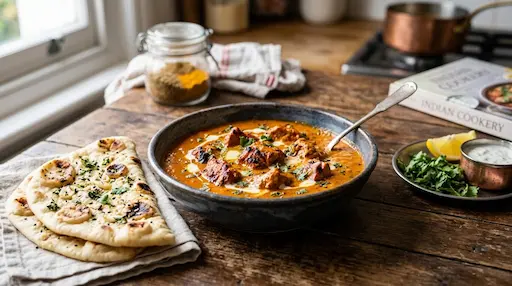
Few dishes command the global culinary stage quite like a rich, velvety butter chicken recipe. Therefore, home cooks and professional chefs alike constantly seek out the definitive method to balance smoky, charred chicken with a luscious, tomato-based makhani sauce. Whether you look to the vibrant weeknight simplifications popularized by Jamie Oliver or the deeply traditional, aromatic techniques championed by renowned Indian food writers like Maunika Gowardhan, mastering this iconic dish is a rewarding milestone for any kitchen enthusiast.
Across modern food blogs and masterclasses, traditional murgh makhani has evolved into countless variations. However, understanding the core anatomy of the dish remains essential. In this comprehensive guide, we will unpack the foundational steps, compare modern quick fixes with authentic slow-marinated methods, and provide you with actionable insights to elevate your next dinner party.
Understanding the Origins and Appeal of Murgh Makhani
Originating in Delhi, India, butter chicken was born out of culinary innovation in the mid-20th century, utilizing leftover tandoori chicken by simmering it in a rich, buttery tomato gravy. Today, it stands as a global ambassador of North Indian cuisine. Its enduring appeal lies in the delicate equilibrium of contrasting flavors: the heat of Kashmiri chili, the tang of fermented dairy, the sweetness of honey or kasuri methi, and the deep, comforting warmth of whole spices.
When expert chefs tackle a classic butter chicken recipe, they focus heavily on two distinct phases: creating tender, well-spiced poultry and building a velvety base sauce. Skipping either step compromises the authentic depth that makes this dish legendary.
“Most Mughlai and Punjabi restaurants will serve you a plate of this goodness… Soft roomali rotis, naan or flaky parathas scooping up the thick spiced gravy of butter chicken along with succulent morsels bring sheer delight.” — Maunika Gowardhan
Comparing Approaches: Traditional vs. Express Interpretations
Culinary icons often put their unique signature on classic recipes. To help you choose your preferred cooking style, let us compare the traditional slow method with contemporary weeknight adaptations.
| Cooking Aspect | Traditional / Authentic Method | Express / Modern Adaptation (e.g., Jamie Oliver Style) |
|---|---|---|
| Marination & Prep | Overnight yoghurt, ginger-garlic, lemon, and spice soak | Quick 15-minute score-and-rub marinade on chicken breasts |
| Cooking the Meat | Grilled on skewers or baked until charred and smoky | Pan-seared and charred directly alongside fresh tomatoes and chilies |
| Sauce Base | Simmered onion, tomato puree, whole spices, and heavy cream | Blended charred cherry tomatoes, cashew butter, and fresh yoghurt |
| Finishing Touches | Kasoori methi (fenugreek leaves), honey, and a pat of butter | Rippled yoghurt finish with a dusting of extra garam masala |
Step-by-Step Breakdown for Exceptional Results
Achieving restaurant-quality results requires attention to detail. No matter which variation you choose to follow, certain foundational pillars remain constant throughout the cooking process.
1. The Foundation: Marination and Tenderization
The secret to succulent meat is acid-based tenderization. Yoghurt combined with lemon juice breaks down tough muscle fibers without drying out the protein. Furthermore, adding spices like Kashmiri chili powder and turmeric during this stage ensures the flavor penetrates deep within the chicken.
2. Building the Makhani Gravy
A superior gravy relies on a harmonious blend of fat, acidity, and aromatic warmth. Whole spices like green cardamom, cloves, and cinnamon crackle in unsalted butter, releasing essential oils. When combined with rich tomato puree or slow-cooked tomatoes, these elements form a robust base that coats the back of a spoon.
“My first introduction to quick comfort curries taught me that utilizing pantry staples like nut butters and fresh aromatics can bridge the gap between busy weeknights and authentic dining.” — Culinary Insights
Essential Spices and Secret Ingredients
What truly separates an average curry from an extraordinary dish is the precise selection of aromatics. Consider incorporating these key ingredients into your cooking routine:
- Kashmiri Red Chili Powder: Provides that iconic, vibrant crimson hue without overwhelming the palate with excessive heat.
- Kasuri Methi (Dried Fenugreek Leaves): Crushed between your palms and sprinkled at the very end, it imparts an unmistakable restaurant-style aroma.
- Garam Masala: A warming blend of ground spices added toward the end of cooking to maintain its aromatic punch.
- Unsalted Butter and Cream: Essential for imparting the luxurious mouthfeel that defines the dish.
For further inspiration on pairing traditional spices with global cooking techniques, you can explore professional recipe collections on the official Jamie Oliver Website or read through cultural breakdowns via Maunika Gowardhan’s Cook in a Curry.
Frequently Asked Questions
What makes a traditional butter chicken recipe different from chicken tikka masala?
While both feature spiced chicken in a tomato-cream sauce, butter chicken originates from a specific Punjabi tradition emphasizing a smoother, butter-heavy makhani gravy with fenugreek, whereas tikka masala often features a more tomato-onion chunkier base sauce.
Can I use chicken breasts instead of thighs?
Yes, chicken breasts work well if you score them deeply and avoid overcooking. However, boneless chicken thighs remain juicier and more forgiving during high-heat searing or grilling.
How do I fix a sauce that tastes too acidic?
If your tomatoes are overly tart, balance the acidity by stirring in a tablespoon of honey, a pinch of raw sugar, or an extra splash of heavy cream.
Is it possible to make this dish dairy-free?
While authentic richness relies on dairy butter and cream, you can substitute coconut cream and plant-based butter, though this will slightly alter the classic flavor profile.
Conclusion
Mastering a legendary butter chicken recipe is an achievable culinary adventure that bridges cultural heritage with home-cooking comfort. By respecting the balance of spices, ensuring proper marination, and finishing your sauce with care, you can recreate restaurant-quality magic right in your own kitchen.
Ready to transform your weeknight dinner rotation? Gather your spices, preheat your pan, and try whipping up an unforgettable batch of murgh makhani tonight!