

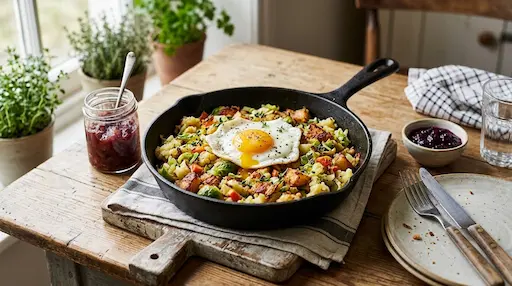
Have you ever stared at a mountain of Sunday roast leftovers and wondered how to transform them into something extraordinary? Enter the iconic bubble-squeak-jamie-oliver method, a brilliant culinary technique that turns humble spuds and winter greens into a crispy, golden masterpiece. Therefore, home cooks worldwide look to Jamie Oliver’s signature approach for inspiration on reducing food waste while maximizing bold, comforting flavors.
What Is Bubble and Squeak?
Traditionally, bubble and squeak is a classic British dish made from smashed-up leftover vegetables. While the name sounds whimsical, it comes from the bubbling and squeaking sounds the ingredients make as they fry together in a hot pan. However, modern interpretations—especially those championed by Jamie Oliver—elevate this simple farmhouse staple into an art form.
According to culinary archives, the dish typically relies on a ratio of roughly sixty percent potato combined with a mix of cabbage, Brussels sprouts, or root vegetables. As a result, you get a dense, hearty mixture that forms an incredible crust when cooked correctly.
“Bubble and squeak is a classic British dish of smashed-up winter vegetables, traditionally made from the Sunday roast leftovers. Use about 60 percent potato to get the right consistency.” — Food Network Culinary Archives
Core Ingredients for the Jamie Oliver Method
To master this recipe, you do not need expensive ingredients. Instead, you raid your refrigerator for yesterday’s victory feast. Jamie Oliver emphasizes using high-welfare meats and fresh seasonal produce whenever possible to enhance the overall depth of flavor.
- Potatoes: Leftover boiled or mashed potatoes act as the essential binder.
- Greens: Finely chopped Savoy cabbage, kale, or Brussels sprouts.
- Root Vegetables: Leftover carrots, swede, or parsnips for earthy sweetness.
- Fats: Olive oil, butter, or leftover dripping for maximum crispiness.
- Seasoning: Sea salt, freshly ground black pepper, and sometimes a pinch of nutmeg.
In addition, many variations include protein sources like bacon, chipolatas, or leftover roast ham folded right into the mixture.
Step-by-Step Cooking Technique
Cooking this dish requires patience and a good non-stick frying pan. If you start with raw vegetables instead of leftovers, you must boil and drain them thoroughly before letting them steam off excess moisture.
- Heat a glug of olive oil and a generous knob of butter in a large non-stick frying pan over medium heat.
- Add your cooked or leftover vegetables and potatoes into the pan, starting the mashing process immediately.
- Pat the mixture down into a thick, uniform pancake shape to maximize surface contact with the hot pan.
- Cook for 15 to 20 minutes, flipping and mashing periodically until the bottom turns deep golden brown and exceptionally crisp.
Furthermore, Jamie Oliver often takes things a step further by creating small dents in the mixture, cracking free-range eggs right into the pan, and baking it briefly in the oven for a complete one-pan feast.
Nutritional Comparison of Traditional vs. Loaded Variations
Depending on whether you keep your meal plant-based or add traditional breakfast meats, the nutritional profile shifts significantly. Here is a quick breakdown to help you balance your plate:
| Style Type | Primary Ingredients | Caloric Density | Best Served With |
|---|---|---|---|
| Classic Farmhouse | Potatoes, Cabbage, Carrots, Butter | Moderate | Fried egg or pickled onions |
| Boxing Day Loaded | Potatoes, Sprouts, Bacon, Chipolatas, Eggs | High | Whole meal with mushrooms and tomatoes |
| Modern Plant-Based | Potatoes, Kale, Olive Oil, Chestnuts | Low-Moderate | Fresh greens and balsamic glaze |
“Give the bubble and squeak one final pat down and use the back of a spoon to make four dents… Crack in the eggs—it looks fantastic, isn’t predictable and saves on washing up.” — Jamie Oliver Official Recipe Collection
Expert Tips for Achieving Maximum Crispiness
Achieving that coveted crunch is the ultimate test for any home cook. Therefore, you must avoid overcrowding your pan and resist the urge to stir the mixture too frequently.
Allow the starches in the potato to catch and caramelize against the hot metal. As a result, you will develop a rich, savory crust that elevates simple leftovers into a gourmet experience. In addition, white pepper is traditionally preferred over black pepper for its authentic punchy aroma.
Frequently Asked Questions
Why is it called bubble and squeak?
The name originates from the distinct bubbling and squeaking sounds the vegetables make as they fry together in a hot pan.
Can I make this dish without leftover potatoes?
Yes, you can peel and boil fresh potatoes, but letting them steam dry completely before mashing is crucial to avoid a soggy texture.
What meat goes best with Jamie Oliver’s version?
Crispy smoked streaky bacon, high-welfare chipolatas, or leftover holiday ham pair exceptionally well with the earthy vegetable base.
Conclusion and Next Steps
Mastering the bubble-squeak-jamie-oliver technique proves that incredible meals can emerge from simple kitchen scraps. By respecting ratios, embracing high heat, and adding creative touches like fried eggs or bacon, you can turn yesterday’s dinner into today’s highlight.
Ready to elevate your home cooking game? Explore our other expert recipe breakdowns or subscribe to our weekly culinary newsletter for more professional kitchen tips today!