

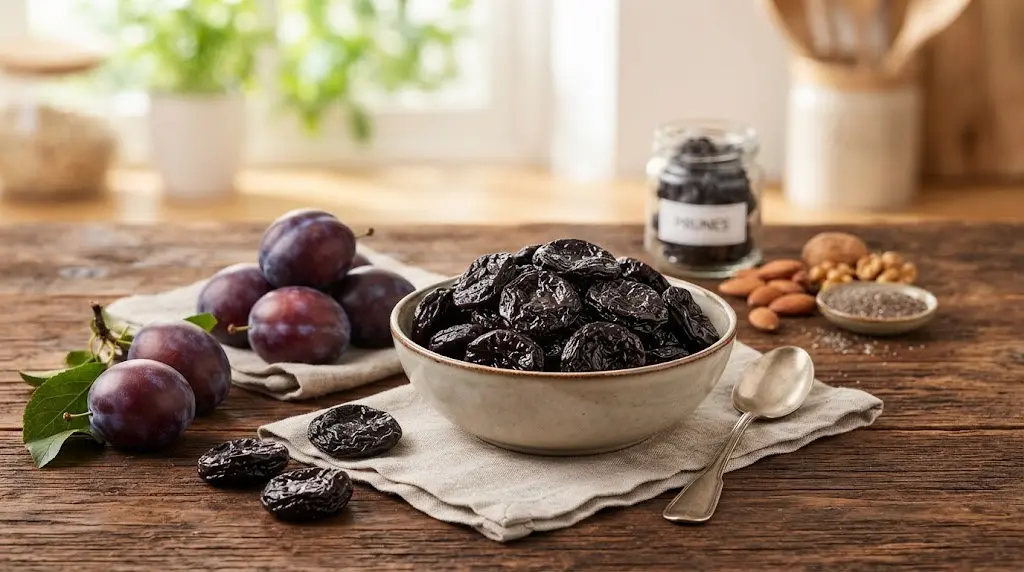
When you hear the word “prunes,” your first thought might be a grandmother’s secret remedy for digestion. However, modern research is quickly rebranding these dried plums as a legitimate superfood. The benefits of prunes extend far beyond their long-standing reputation for gut health. From protecting your bone density as you age to supporting a robust cardiovascular system, this humble fruit is packed with bioactive compounds that your body craves.
Whether you are looking to optimize your digestive wellness or seeking a natural way to bolster your bone structure, prunes offer a convenient, nutrient-dense solution. In this article, we will explore the science behind why adding just a few of these nutrient powerhouses to your daily routine can provide profound impacts on your long-term health.
Why Nutritionists Are Raving About Prunes
Prunes are not just dried fruit; they are a complex profile of vitamins, minerals, and antioxidants. A typical serving—usually four to five prunes—contains roughly 100 calories and delivers a significant punch of dietary fiber, which is crucial for managing hunger and blood sugar levels. They are naturally free of added sugars, cholesterol, and fat, making them an ideal snack for health-conscious individuals.
“More than 70 peer-reviewed, published studies have examined prune consumption in relation to healthy digestion, gut health, bone health, heart health, weight management, and satiety.” — California Prunes
The Nutritional Breakdown
Understanding what goes into your body is the first step toward better health. Prunes are particularly rich in several key nutrients:
- Vitamin K: Essential for blood clotting and bone metabolism.
- Potassium: Supports muscle contractions, fluid balance, and heart health.
- Fiber: Contains both soluble and insoluble types to keep digestion regular.
- Phenolics: Powerful antioxidants that fight oxidative stress and inflammation.
- Sorbitol: A natural sugar alcohol that helps soften stools and aids digestion.
Digestive Health: The Gold Standard
It is impossible to discuss the benefits of prunes without addressing their most famous trait. Prunes have long been compared to over-the-counter laxatives, often outperforming alternatives like psyllium. Their effectiveness lies in a “triple-threat” combination: insoluble fiber, pectin, and the natural sugar alcohol, sorbitol.
When you eat prunes, the sorbitol draws water into the intestinal tract, which helps to soften stool. Meanwhile, the fiber adds bulk, allowing for easier movement through the digestive system. Recent studies published in journals such as The American Journal of Gastroenterology have confirmed that daily intake can significantly improve bowel movement frequency and consistency without the common side effects associated with synthetic laxatives.
Building Stronger Bones with Dried Plums
Perhaps the most exciting area of recent research concerns bone health. As we age, especially post-menopause, bone resorption (the process of breaking down bone tissue) often outpaces bone formation. Clinical trials suggest that eating prunes can help reverse this trend by modulating bone turnover.
“Research demonstrates that daily consumption of prunes is beneficial for post-menopausal women with osteoporosis. Prunes affect the bone remodeling process and slow down the bone loss by enhancing bone formation and inhibiting bone resorption.” — MelioGuide
The anti-inflammatory properties of prunes are key here. By reducing inflammatory markers that signal the body to break down bone, prunes create a biological environment where bone formation can flourish. Furthermore, they contain boron, a trace mineral that plays a vital role in bone maintenance and structure.
Cardiovascular and Antioxidant Support
Your heart benefits significantly from the consistent inclusion of prunes in your diet. The high potassium content helps maintain healthy blood pressure levels, while the pectin (a type of soluble fiber) has been shown to assist in managing cholesterol levels. By lowering the ratio of total cholesterol to HDL (“good”) cholesterol, prunes may help reduce the risk of cardiovascular disease.
Additionally, prunes are packed with phenolics. These antioxidants work at a cellular level to combat the free radicals that cause oxidative damage. Research indicates that this antioxidant capacity is vital for reducing systemic inflammation, which is a major driver of many chronic illnesses, including diabetes and heart disease.
| Nutrient | Primary Role |
|---|---|
| Vitamin K | Supports bone metabolism and blood clotting |
| Potassium | Regulates blood pressure and muscle function |
| Fiber | Promotes digestive regularity and satiety |
| Phenolics | Provides anti-inflammatory and antioxidant defense |
Frequently Asked Questions
How many prunes should I eat per day?
Most clinical studies suggest that eating about 50 to 100 grams of prunes—which is roughly 5 to 10 prunes—provides the most significant health benefits, especially for bone and digestive health. Start with a smaller amount to let your body adjust to the fiber content.
Can prunes help with weight management?
Yes, prunes have a low glycemic index and are high in fiber, which can help increase feelings of fullness. By curbing cravings and regulating blood sugar, they are a great addition to a balanced weight management plan.
Do prunes have side effects?
While safe for most, the high fiber and sorbitol content can cause bloating or gas if consumed in excess. If you are not used to high-fiber foods, introduce them gradually to avoid gastrointestinal discomfort.
Conclusion
The benefits of prunes are vast, covering everything from digestive efficiency to bone density preservation and heart health. They offer a unique, concentrated source of vitamins and minerals that few other foods can match. By integrating these sweet, chewy treats into your daily diet, you are investing in a healthier, more resilient future.
Ready to upgrade your snacking habits? Start by adding four to five prunes to your morning oatmeal or yogurt. Your bones, heart, and gut will thank you. For more personalized health advice, consider speaking with a registered dietitian to see how you can best incorporate these nutrient-dense fruits into your lifestyle today.