

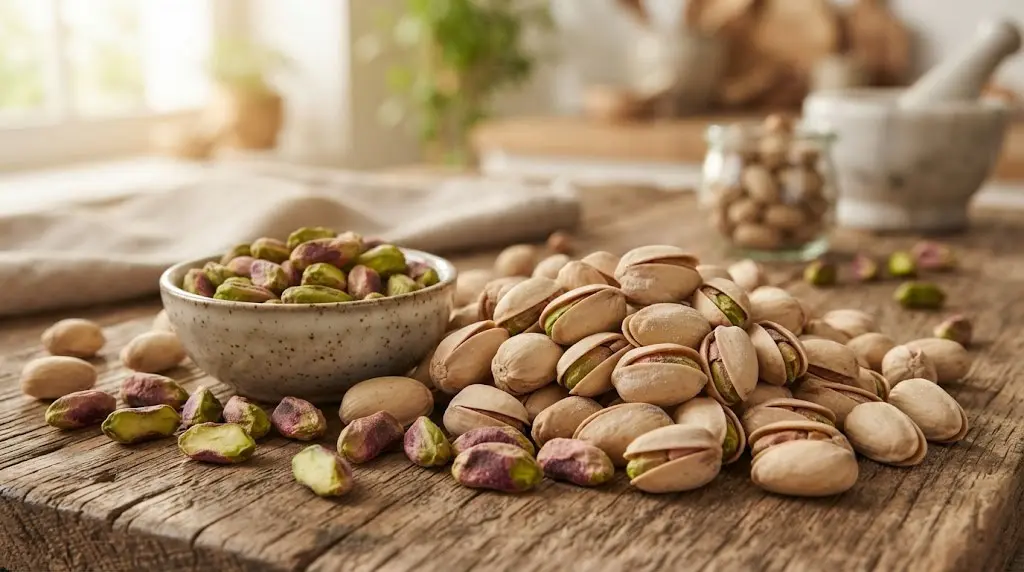
If you are looking for a snack that works as hard as you do, the benefits of pistachio consumption are difficult to ignore. Often called the “smiling nut” because of their partially open shells, these vibrant green kernels are more than just a tasty treat; they are a nutritional powerhouse that has been supporting human health for over 9,000 years. Whether you are a fitness enthusiast trying to hit your protein goals or someone simply aiming for a heart-healthy diet, pistachios offer a unique combination of fiber, healthy fats, and essential minerals that set them apart from other nuts.
In this article, we will dive deep into the science-backed advantages of incorporating these seeds into your daily routine. From stabilizing blood sugar levels to supporting your gut microbiome, we’ll explore exactly why these small, mighty nuts deserve a permanent spot in your pantry.
Understanding the Nutritional Profile
Before we discuss the specific health outcomes, it helps to understand what makes a pistachio tick. Unlike many processed snacks that offer empty calories, a single serving of pistachios—approximately 28 grams or 49 kernels—delivers a substantial amount of nutrition. They are a complete protein source, meaning they contain all nine essential amino acids that your body cannot produce on its own.
In addition to protein, they are rich in potassium, magnesium, and vitamin B6. According to recent clinical research, the bioactive compounds in pistachios, including carotenoids and polyphenols, contribute significantly to their anti-inflammatory properties.
“Pistachios are one of the richest plant sources of Vitamin B6, which is essential for brain function, hormone balance, and the production of red blood cells.”
1. A Heart-Healthy Superstar
One of the most widely recognized benefits of pistachio consumption is its positive impact on cardiovascular health. Regular intake has been shown to improve lipid profiles by reducing LDL—the “bad” cholesterol—while simultaneously supporting better arterial function.
The secret lies in their healthy fat composition. Pistachios are packed with monounsaturated and polyunsaturated fats, which are critical for maintaining flexible, healthy blood vessels. Furthermore, they contain L-arginine, an amino acid that helps blood vessels relax and widen, further aiding in healthy blood pressure management.
2. Managing Blood Sugar Effectively
For those mindful of their glycemic index, pistachios are a game-changer. They possess a remarkably low glycemic index, which prevents the rapid glucose spikes often caused by high-carb snacks. When eaten as part of a meal, they can help slow down the absorption of sugars into the bloodstream.
Research indicates that for individuals managing Type 2 diabetes or prediabetes, adding these nuts to a daily diet can lead to improved hemoglobin A1C levels over time. By choosing pistachios over refined, sugary alternatives, you are essentially investing in more stable energy levels throughout your day.
3. Weight Management and Satiety
It might seem counterintuitive to eat nuts for weight loss, given their calorie density. However, the benefits of pistachio for weight control are well-documented. Their high protein and fiber content work in tandem to keep you feeling full for longer, which naturally reduces the urge to mindlessly snack on processed foods.
Additionally, the “pistachio effect” is a real phenomenon. The act of shelling the nuts slows down your eating speed, encouraging mindful consumption. This gives your brain the necessary time to register fullness, which is a significant advantage compared to eating a bag of chips where calories are consumed in seconds.
4. Supporting a Healthy Gut Microbiome
Your digestive system thrives on fiber, and pistachios deliver this in abundance. Beyond simple digestion, these nuts act as a prebiotic, which means they feed the beneficial bacteria in your gut. A diverse and thriving gut microbiome is linked to improved immune function and reduced systemic inflammation.
“Regular pistachio consumption increases the ratio of healthy gut bacteria, similar to how the health benefits of dry fruits like almonds and walnuts improve digestive flora.”
5. Antioxidant Powerhouse
We often talk about antioxidants in fruits and vegetables, but nuts are equally important. Pistachios contain high levels of lutein and zeaxanthin—two antioxidants that are particularly famous for their role in protecting eye health from oxidative stress. By including them in your diet, you are providing your cells with a shield against the wear and tear of daily life.
Comparison of Key Nutrients (Per 28g Serving)
| Nutrient | Pistachio Contribution |
|---|---|
| Protein | ~6g (Complete Source) |
| Fiber | ~3g |
| Vitamin B6 | 28% DV |
| Potassium | Higher than half a banana |
Tips for Incorporating Pistachios Into Your Diet
Maximizing the benefits of pistachio is simple if you choose the right product. Always opt for low-sodium or unsalted varieties whenever possible. You can easily upgrade your meals by:
- Adding crushed pistachios to your morning oatmeal or yogurt.
- Using them as a crunchy, protein-rich topping for garden salads.
- Blending them into homemade pestos or sauces.
- Keeping a small portion of in-shell nuts at your desk for a mid-afternoon energy boost.
Remember that consistency is key. Even a small, regular amount can provide cumulative health improvements over several weeks and months.
Frequently Asked Questions
Are pistachios better for you than other nuts?
All nuts are healthy, but pistachios offer a unique profile. They are one of the few plant-based sources of “complete” protein, meaning they contain all nine essential amino acids. They also rank among the highest in antioxidants like lutein and zeaxanthin compared to other common nuts.
Can eating pistachios cause weight gain?
Clinical studies suggest that daily pistachio consumption does not lead to weight gain, even though they are energy-dense. Their high fiber and protein content help regulate appetite, making them a satisfying alternative to processed snacks that are far higher in empty calories.
Should I buy salted or unsalted pistachios?
For optimal health, it is best to choose raw or dry-roasted unsalted pistachios. Excess sodium can counteract the blood-pressure-lowering benefits of the potassium found in the nuts, so keep an eye on the sodium content on the packaging.
How many pistachios should I eat in a day?
A standard serving size is about 1 ounce, or approximately 49 kernels. This amount provides an excellent balance of nutrients without overshooting your daily caloric requirements.
Conclusion
The benefits of pistachio are as diverse as they are impressive. By supporting your cardiovascular system, aiding in blood sugar stabilization, and promoting a healthy gut, these nuts are far more than just a convenient snack. They represent a simple, delicious way to add high-quality protein and essential micronutrients into your lifestyle.
If you are ready to prioritize your wellness, start by making the switch from processed, low-nutrition snacks to a handful of pistachios today. Your body will certainly thank you for the upgrade! Why not head to your local grocery store and pick up a bag of raw, unsalted pistachios for your desk drawer or pantry this week?