

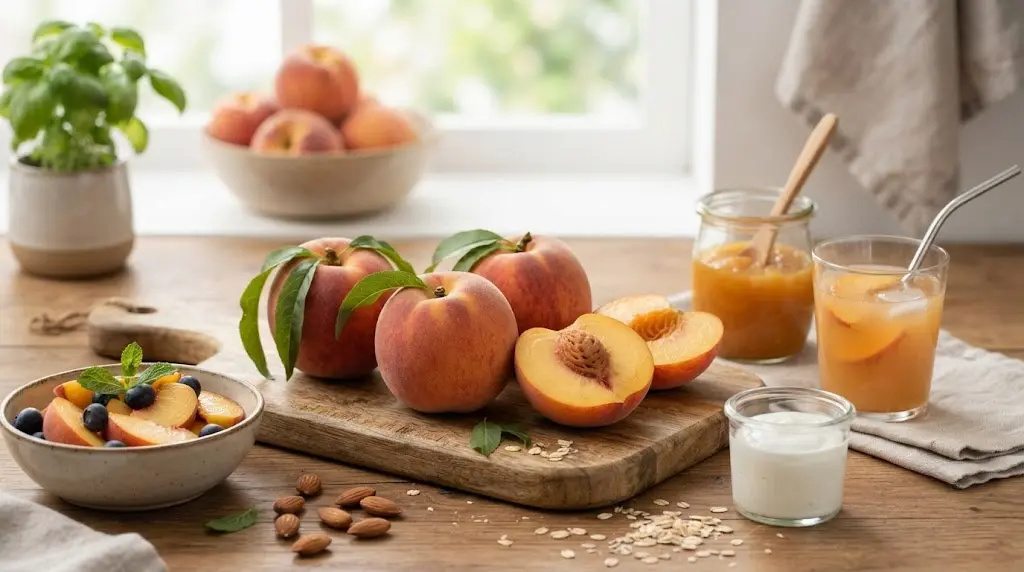
If you are looking for a simple way to boost your overall wellness, the benefits of peach might be exactly what your diet needs. This fuzzy, sun-kissed fruit is more than just a sweet summer treat; it is a nutritional powerhouse packed with vitamins, minerals, and antioxidants that can transform your health from the inside out.
Whether you enjoy them sliced over your morning yogurt, blended into a refreshing smoothie, or eaten fresh over the sink, peaches offer a range of science-backed advantages. In this guide, we explore why this fruit is considered a cornerstone of healthy living and how you can maximize its nutritional impact.
What Makes Peaches So Nutritious?
Peaches are not just delicious; they are remarkably nutrient-dense. According to data from Cleveland Clinic, a single large peach contains essential nutrients like vitamin C, vitamin A, and potassium. These elements work in harmony to support everything from your immune system to your circulatory health.
Beyond the basics, peaches are high in both soluble and insoluble fiber. This combination is critical for gut health, as it keeps your digestive system moving efficiently while feeding the beneficial bacteria that inhabit your microbiome. Furthermore, because they are nearly 90% water, they are an excellent choice for staying hydrated during the warmer months.
“The fuzzy skin and juicy flesh of peaches contain good-for-you antioxidants, including vitamin C, polyphenols, and carotenoids. Antioxidants are compounds in plants that fight cell damage.” — Cleveland Clinic
Key Benefits of Peaches for Your Body
The health profile of this fruit is diverse, addressing several common wellness concerns. Below are the primary ways that adding peaches to your routine can benefit your body:
1. Promoting Radiant Skin Health
Vitamin C is the hero when it comes to skin, and peaches are rich in it. This vitamin is essential for collagen production, the protein responsible for keeping your skin firm and elastic. Additionally, the antioxidants found in peaches help protect your skin from environmental damage, such as UV radiation and pollution, which can lead to premature aging.
2. Aiding Digestive Function
Fiber is essential for digestion, and peaches provide a significant amount. By incorporating them into your diet, you provide your body with the fiber needed to regulate bowel movements and prevent constipation. This can lead to a more comfortable daily experience and improved long-term gut health.
3. Supporting Heart Health
Your heart loves potassium and fiber. Peaches contain both, which helps regulate blood pressure and keeps cholesterol levels in check. Research has suggested that the regular intake of stone fruits may reduce inflammation, which is a major factor in the prevention of cardiovascular disease.
4. Boosting Eye Health
Do you want to protect your vision as you age? Peaches are packed with beta-carotene, which your body naturally converts into vitamin A. This process is vital for maintaining the health of your retina. Furthermore, lutein—an antioxidant found in peaches—may help filter harmful blue light and reduce the risk of age-related macular degeneration.
5. Assisting with Weight Management
Because they are low in calories but high in water and fiber, peaches are an incredibly satisfying snack. They provide natural sweetness to curb your cravings without the excess sugar found in processed desserts. Eating a whole, fiber-rich peach can help you feel full for longer, making it easier to stick to your health goals.
Nutritional Comparison: Peaches vs. Other Stone Fruits
While all stone fruits offer unique benefits, peaches stand out for their specific antioxidant profile. The following table provides a quick glance at why they are such a great dietary choice.
| Nutrient (per 100g) | Peach | Nectarine |
|---|---|---|
| Calories | 39-46 kcal | 44 kcal |
| Vitamin C | High | High |
| Fiber | Good | Good |
“Peaches have a low glycemic index and contain soluble fiber, which helps slow down the absorption of sugars into the bloodstream.” — ManipalCigna
How to Choose and Store the Perfect Peach
To enjoy the maximum benefits of peach, you need to pick them at the peak of ripeness. A sweet-smelling aroma is the best indicator of a ripe fruit. If the peach feels very firm and has no scent, leave it on your counter for a day or two.
Once they reach your desired ripeness, move them to the refrigerator to slow down the process and prevent them from spoiling. For those who want to keep the goodness all year round, slicing and freezing peaches is a fantastic way to ensure you have a healthy ingredient ready for your next smoothie or oatmeal bowl.
Frequently Asked Questions
Should I eat the peach skin?
Yes, absolutely! The skin is where a large portion of the fruit’s antioxidants and fiber are concentrated. Eating the skin allows you to get the most nutritional value out of every bite.
Are canned peaches as healthy as fresh ones?
Fresh is usually better. Canned peaches are often peeled—removing the fiber and antioxidant-rich skin—and may be stored in heavy sugary syrup. Always check the label for “packed in water” or “no added sugar” if you must buy canned.
Can diabetics eat peaches?
Because peaches have a low glycemic index, they are generally a safe and healthy option for people looking to manage their blood sugar. However, portion control is always important; consult with your doctor if you have specific dietary concerns.
Conclusion
The benefits of peach go far beyond their delicious, juicy flavor. By incorporating this nutrient-dense fruit into your daily diet, you are supporting your skin, heart, eyes, and digestion. It is one of the easiest and most enjoyable ways to fuel your body with the antioxidants and fiber it needs to thrive.
Ready to experience these benefits for yourself? Head to your local farmers’ market or produce section today and pick up a few fresh peaches. Your body will thank you for the extra boost of vitamins and hydration!