

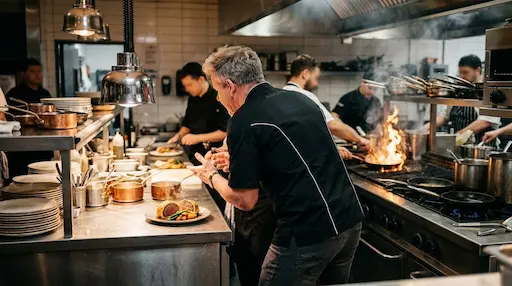
When Gordon Ramsay steps into a failing establishment, the atmosphere shifts instantly from casual service to a fast-paced cook-off with ramsay style that tests every ounce of kitchen resilience. Across legendary shows like Kitchen Nightmares, failing restaurants are forced to confront their deepest operational inefficiencies in real time. Undercover evaluations and high-stakes culinary showdowns do more than make great television; they act as brutal stress tests for struggling chefs.
Commercial kitchens operate as high-velocity stress chambers where every single second matters. When a legendary Michelin-starred chef demands perfection on short notice, the margin for error shrinks to zero. Understanding how these dramatic culinary showdowns work reveals valuable lessons about modern hospitality, emotional intelligence, and relentless consistency in the food industry.
The Anatomy of an Undercover Culinary Pressure Test
Most struggling restaurants assume their biggest issue is simply a lack of customers. However, as Ramsay routinely uncovers during his intense interventions, the true bottleneck is almost always internal chaos. When an unexpected challenge arrives—such as a surprise menu overhaul or a demanding mystery guest—unprepared kitchens immediately unravel.
Therefore, introducing a fast-paced cooking challenge forces line cooks and head chefs out of their comfort zones. Instead of relying on prepackaged ingredients or microwaves, staff must prove they can actually cook under intense pressure. According to industry analyses from sources like Eater, commercial kitchens require absolute synchronization between front-of-house service and back-of-house execution to survive competitive markets.
“In elite dining, a high-pressure cook-off is not just a test of recipe execution; it is an unyielding mirror reflecting how a restaurant performs when no one thinks they are watching.” — Culinary Hospitality Review
Why Undercover Audits and Cook-Offs Matter
Many casual viewers wonder if these intense culinary trials are merely staged for dramatic effect. However, veteran restaurateurs emphasize that commercial kitchens require strict discipline to maintain financial viability. A single flustered cook or defensive head chef can ruin an entire evening’s service.
As a result, Ramsay’s interventions serve a vital operational purpose. By stripping away complacency, these fast-paced challenges expose the weakest links in inventory management, food safety, and team communication. Although handling a difficult service is uncomfortable, it often acts as the catalyst for long-term operational success.
| Evaluation Stage | The Operational Challenge | The Desired Standard |
|---|---|---|
| Service Stress Test | Thirty simultaneous orders on short notice | Flawless execution within a strict timeframe |
| The Secret Cook-Off | Unexpected menu modifications and core ingredient tests | Creative problem-solving and calm composure |
| Menu Relaunch | Streamlined dishes with fresh, local ingredients | Consistent flavor profiles and high guest retention |
This stark contrast proves that technical resilience is just as important as natural cooking talent. Without emotional maturity, even a beautifully designed restaurant will crumble under pressure.
Overcoming Resistance to Change in Professional Kitchens
One of the most recurring themes in restaurant turnarounds is stubborn resistance from veteran staff. When an establishment has operated a certain way for decades, asking them to speed up their workflow feels like an impossible assault on their identity. However, stagnation is the silent killer of independent eateries.
Therefore, breaking old habits requires total transparency and hands-on guidance. When chefs participate in a high-stakes kitchen challenge, they are forced to confront their own inefficiencies directly. For additional insights into professional culinary standards, you can explore resources provided by the Auguste Escoffier School of Culinary Arts.
“Tough critiques in commercial hospitality aren’t about breaking spirits; they are about exposing operational flaws before dissatisfied patrons take their business elsewhere.” — Restaurant Business Insights
Frequently Asked Questions
What is the primary goal of a fast-paced cook-off challenge in restaurant turnarounds?
The main goal is to evaluate how kitchen staff respond to extreme stress, out-of-the-ordinary demands, and strict time constraints under realistic service conditions.
Why do struggling restaurants fail during high-pressure evaluations?
Struggling restaurants typically fail due to poor inventory management, lack of communication, untrained staff, and an over-reliance on prepackaged convenience foods.
Do these kitchen interventions lead to long-term success?
Yes, when owners and staff fully embrace the operational changes, streamline their menus, and maintain strict hygiene and discipline, their business longevity improves significantly.
Conclusion and Next Steps
The intense moments where culinary establishments face rigorous undercover trials serve as both captivating television and profound professional lessons. They remind us that the restaurant industry demands absolute composure, rigorous discipline, and genuine dedication to hospitality.
Ready to sharpen your operational acumen and explore more behind-the-scenes restaurant breakdowns? Subscribe to our industry newsletter today for exclusive culinary analyses, expert management strategies, and professional hospitality advice!