

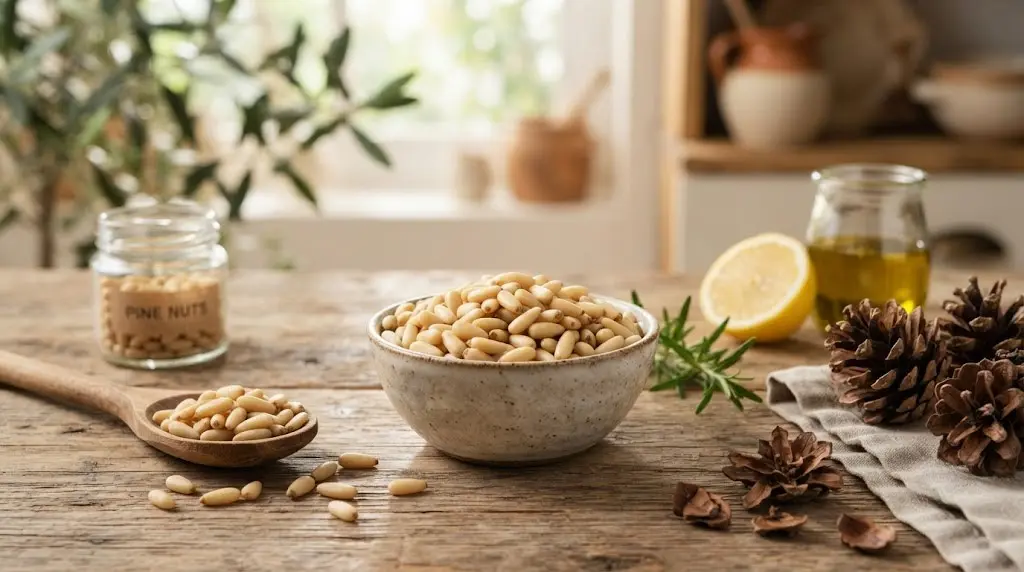
Often relegated to the background as a garnish for pesto, the humble seed of the pine tree is far more than just a culinary decoration. The benefits of pine nut extend deep into your physiological health, offering a dense concentration of essential minerals, heart-healthy fats, and unique compounds that you simply won’t find in your average snack. Whether you are looking to sharpen your cognitive focus or support your cardiovascular system, these tiny, buttery morsels provide a powerful nutritional punch.
While many people overlook them due to their size, pine nuts are actually a nutrient-dense superfood. They are packed with magnesium, zinc, and vitamin E, all of which contribute to your daily vitality. By incorporating just a small handful into your regular rotation, you can tap into a wealth of natural energy and long-term health advantages. Let’s explore why this ancient ingredient belongs in every modern pantry.
Understanding the Nutritional Profile
To truly appreciate the benefits of pine nut, one must look at what is happening under the hood. Per 100g serving, these seeds are remarkably rich in monounsaturated fats and plant-based protein. They act as a steady, reliable source of fuel for your body, helping you avoid the dreaded afternoon energy crash. Because they contain a complex blend of macro and micronutrients, they serve as a more effective snack than processed alternatives.
| Nutrient | Amount (per 100g) |
|---|---|
| Calories | 673 kcal |
| Total Fat | 68g |
| Protein | 13.7g |
| Dietary Fiber | 5.1g |
| Magnesium | 230mg |
Heart Health and Cardiovascular Support
Perhaps the most significant of the benefits of pine nut is its positive impact on cardiovascular wellness. These seeds contain a high percentage of unsaturated fats, which help balance your cholesterol levels. Specifically, they may help increase “good” HDL cholesterol while keeping “bad” LDL cholesterol in check. As a result, regular, moderate consumption is often recommended as part of a heart-healthy diet.
“Pine nuts uniquely offer pinolenic acid for appetite control and cholesterol clearance, plus higher levels of zinc and iron compared to many other common tree nuts.” — Kashmiri Life Insights
Furthermore, the minerals found in pine nuts—such as potassium and magnesium—support healthy blood pressure levels. These nutrients encourage the relaxation of blood vessels, which promotes better circulation throughout the body. Therefore, adding a small serving of these nuts to your oatmeal or salad is a simple, proactive step for heart longevity.
Weight Management and Appetite Control
Are you struggling with mid-day cravings? One of the most fascinating benefits of pine nut is its ability to influence satiety. These seeds contain a unique fatty acid known as pinolenic acid. Research suggests that this specific compound stimulates the release of appetite-suppressing hormones, such as cholecystokinin (CCK), in your digestive tract.
When these hormones are activated, your brain receives a “fullness” signal, effectively reducing your desire to overeat. Because they provide a combination of healthy fats, fiber, and protein, they keep you satisfied for longer than simple carbohydrate snacks. However, remember that they are calorie-dense; portion control is key to reaping these weight-management benefits without exceeding your daily energy requirements.
Brain Function and Mental Clarity
Beyond physical health, the benefits of pine nut also extend to your cognitive state. High levels of magnesium are essential for brain health, as this mineral is involved in neurotransmitter function and mood regulation. Furthermore, the iron content in these seeds helps fight fatigue and keeps your mind sharp throughout the day.
“Regularly eating nuts has been shown to contribute to heart health, reduce overall mortality and the risk of developing type 2 diabetes, and improve cognitive function.” — Nuts for Life
In addition, studies have noted that the regular intake of nutrient-rich nuts during pregnancy may even be linked to better attention capacity in children. By supporting stable blood sugar levels and providing essential nutrients, pine nuts act as a foundational food for brain-body wellness.
Addressing Potential Side Effects
It is important to discuss “pine mouth,” or Pine Nut Syndrome (PNS). This is an uncommon occurrence where individuals experience a persistent bitter or metallic taste for 12–48 hours after eating certain pine nuts. While not dangerous, it can be quite unpleasant. It is primarily associated with specific species of pine. If you notice this reaction, it is best to avoid the specific batch or brand that triggered it, though it remains a rare side effect for the general population.
Conclusion
The benefits of pine nut are diverse, ranging from powerful cardiovascular support and natural appetite control to enhanced cognitive focus. These small, buttery seeds are a testament to the idea that the most potent superfoods often come in the smallest packages. By integrating them into your diet thoughtfully—whether blended into a fresh pesto or sprinkled over your morning bowl—you can enjoy a boost in both flavor and long-term health.
Ready to upgrade your pantry? Start by picking up a high-quality, raw batch of pine nuts today and experience the difference in your daily energy and satiety. Your heart and your brain will certainly thank you!
Frequently Asked Questions
Are pine nuts actually seeds or nuts?
Technically, pine nuts are the edible seeds of certain species of pine trees. Despite their culinary classification as “nuts,” they are botanically seeds.
How many pine nuts should I eat per day?
A serving of approximately 30 grams (a small handful) 3 to 5 times per week is an excellent target to reap the health benefits without excessive calorie intake.
Can pine nuts help with weight loss?
Yes, they can assist with weight management. The pinolenic acid in pine nuts triggers hormones that promote satiety, helping you feel full longer and reducing the urge to snack.
What is “pine mouth” and should I be worried?
Pine mouth is a rare, temporary condition characterized by a bitter metallic taste after eating certain pine nuts. It is harmless and generally resolves on its own within a few weeks, though it can be uncomfortable.