

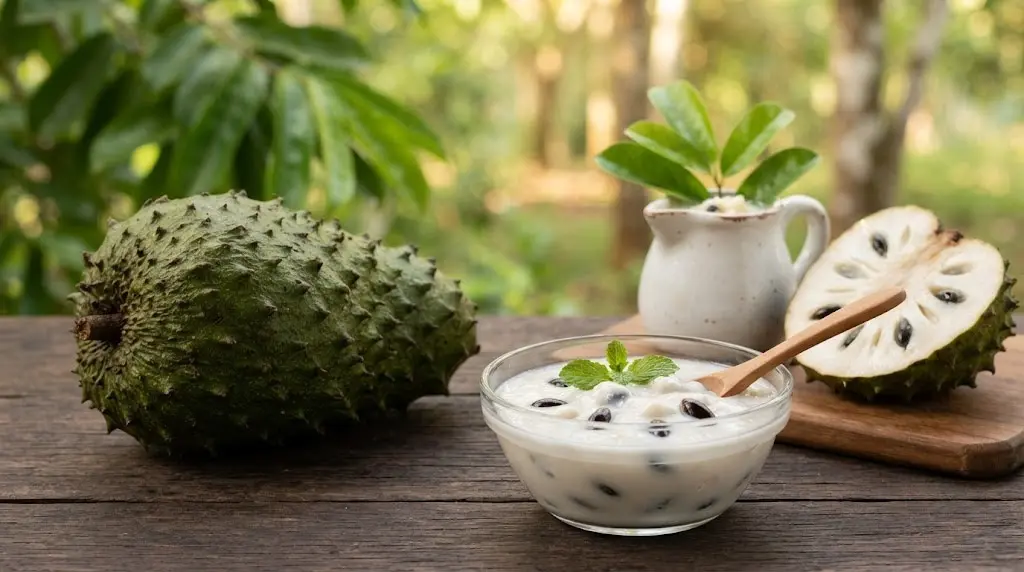
Have you ever encountered a strange, spiky green fruit at the market and wondered what it was? That exotic fruit is known as soursop, graviola, or Annona muricata. However, you might know it best by its Spanish name. The benefits of guanabana are generating serious buzz in the wellness community, and for good reason. With a flavor that tastes like a delicious blend of strawberry, pineapple, and citrus, it is as tasty as it is nutritious.
For centuries, traditional medicine practitioners in South America and Southeast Asia have utilized the leaves, bark, and fruit of this tree. Today, modern science is finally catching up. Researchers are uncovering fascinating data about how this tropical superfruit impacts our bodies. Therefore, if you are looking to enhance your diet with natural whole foods, you are in the right place.
Let us dive deeply into the latest research. We will explore the proven health benefits, separate the facts from the myths, and discover why this tropical delight deserves a spot on your grocery list.
What Exactly is Guanabana?
Guanabana is a large, heart-shaped fruit covered in soft, prickly spikes. Beneath its tough green exterior lies a creamy, white flesh packed with dark seeds. It is widely grown in tropical regions of the Americas and the Caribbean.
While people often use the leaves to brew medicinal teas, the fruit itself is a nutritional powerhouse. It is loaded with essential vitamins, minerals, and potent plant compounds. As a result, enjoying the fresh fruit provides a massive boost to your overall daily nutrition without relying on synthetic supplements.
Top Evidence-Based Benefits of Guanabana
When consumed as part of a balanced diet, this tropical fruit offers incredible support for multiple bodily systems. Here is what current scientific research says about the specific health benefits.
1. Supercharges Your Immune System
A strong immune system is your body’s first line of defense against illness. Fortunately, guanabana is absolutely packed with Vitamin C. In fact, a single whole fruit can contain roughly 129 milligrams of this crucial vitamin. This amount significantly exceeds the daily recommended allowance for the average adult.
Vitamin C actively stimulates the production of white blood cells. Furthermore, it acts as a powerful antioxidant, protecting your healthy cells from environmental oxidative damage. Consequently, eating this fruit may help your body fight off infections much faster.
2. Promotes Healthy Digestion
Getting enough dietary fiber is essential for a healthy gut, yet many adults fall short. One of the most significant benefits of guanabana is its exceptionally high fiber content. A whole fruit can deliver up to 21 grams of dietary fiber.
Fiber adds necessary bulk to your stool, which prevents constipation and keeps your digestive tract moving smoothly. In addition, soluble fiber feeds the beneficial bacteria living in your intestines. Therefore, adding this fruit to your morning smoothie is a fantastic way to support long-term digestive wellness.
“Fiber not only helps with our digestive system, but it also helps regulate blood sugar and lower cholesterol. Having a cup of soursop a day can greatly help you reach your fiber needs.” — Experts at the Cleveland Clinic.
3. Stabilizes Blood Pressure and Protects the Heart
High blood pressure is a primary risk factor for severe cardiovascular disease. Managing your sodium and potassium intake is a highly effective way to protect your heart. Guanabana is an excellent natural source of potassium.
Potassium acts as a vasodilator in the human body. This means it helps your blood vessels relax and widen. By easing the tension in your blood vessel walls and helping your body eliminate excess sodium, this fruit naturally supports healthy, stable blood pressure levels.
4. Fights Dangerous Inflammation
Chronic inflammation is deeply linked to numerous health conditions, including arthritis and heart disease. Guanabana is rich in natural antioxidants, specifically phytosterols, tannins, and flavonoids.
These powerful compounds actively neutralize free radicals roaming in your bloodstream. When you reduce free radicals, you directly lower oxidative stress. As a result, you successfully reduce the internal inflammation that causes long-term cellular damage.
5. Shows Promise in Blood Sugar Management
Researchers are currently investigating how tropical fruits impact diabetes management. Some laboratory studies involving diabetic mice have shown incredibly promising results. Soursop extract appeared to lower fasting blood glucose levels and improve insulin resistance.
Scientists believe that certain natural enzymes in the fruit may slow down how quickly your body absorbs glucose from carbohydrates. However, it is important to remember that human trials are still necessary to fully confirm these specific blood sugar benefits.
The Truth About Guanabana and Cancer Research
If you search the internet for the benefits of guanabana, you will inevitably find dramatic claims about cancer cures. It is crucial to approach this topic with scientific accuracy and caution.
It is true that multiple laboratory and test-tube studies have shown that extracts from soursop leaves can kill certain types of cancer cells. The plant contains unique compounds that appear to target malignant cells while leaving healthy ones alone.
“Keep in mind that there haven’t been any human studies, so it’s too soon to tell if there are any benefits. Soursop is not a proven cancer treatment.” — Medical Review Board, Acıbadem International.
Therefore, while the initial lab data is fascinating, the fruit cannot replace conventional medical treatments. You should always view it as a nutritious dietary addition, never as a standalone medical cure.
Nutritional Profile at a Glance
To truly understand why this fruit is so highly regarded, we must look at the raw data. Here is a breakdown of the key nutrients found in a typical one-cup (225g) serving of raw guanabana pulp.
| Nutrient | Amount per Serving | Primary Health Benefit |
|---|---|---|
| Calories | 148 kcal | Provides natural, low-glycemic energy. |
| Dietary Fiber | 7.4 g | Supports gut health and digestion. |
| Vitamin C | 46.4 mg | Boosts immunity and collagen production. |
| Potassium | 626 mg | Regulates blood pressure safely. |
| Magnesium | 47 mg | Supports muscle and nerve function. |
Potential Risks and Side Effects to Consider
While the fresh fruit is generally very safe and highly nutritious, caution is required regarding supplements. The FDA does not tightly regulate herbal teas or highly concentrated soursop extracts.
Research indicates that consuming massive doses of soursop extract or tea can actually be toxic over time. The plant contains a compound called annonacin, which has been linked to nerve damage. In severe cases of overconsumption, it can cause movement disorders that resemble Parkinson’s disease.
Furthermore, because the fruit can naturally lower blood pressure and blood sugar, concentrated extracts might dangerously interfere with prescribed medications. Consequently, sticking to the fresh, whole fruit in moderate amounts is always the safest, healthiest choice.
Frequently Asked Questions
Is guanabana good for you?
Yes, guanabana is exceptionally good for you when eaten as a fresh fruit. It is loaded with Vitamin C, dietary fiber, and essential minerals like potassium. It effectively supports immune health, digestion, and cardiovascular wellness.
Can guanabana cure cancer?
No, guanabana cannot cure cancer. While some laboratory test-tube studies show that compounds in the leaves can destroy cancer cells, there are currently no human clinical trials proving it treats cancer in people. It should never replace professional medical treatment.
Is it safe to drink soursop leaf tea every day?
Most medical experts advise against drinking highly concentrated soursop leaf tea daily. The leaves contain compounds that can be neurotoxic in large doses over long periods. Enjoying the fresh fruit is a much safer way to gain the health benefits.
Does guanabana have a lot of sugar?
Like most tropical fruits, guanabana does contain natural fructose. One whole fruit can contain up to 80 grams of sugar. If you are diabetic or closely watching your carbohydrate intake, it is best to eat the fruit in smaller, moderate portion sizes.
Conclusion: Should You Add This Superfruit to Your Diet?
The vast benefits of guanabana make it a phenomenal addition to any health-conscious diet. By providing massive doses of Vitamin C, gut-friendly fiber, and heart-protecting potassium, this tropical fruit truly earns its superfood title. While we must remain realistic and cautious about unproven medical claims, the proven nutritional value is undeniable.
If you want to experience these incredible perks safely, skip the unregulated supplements and head straight to the produce aisle. Slice open the fresh fruit, remove the seeds, and blend the creamy flesh into your morning smoothie. It is a simple, delicious, and highly effective way to support your body naturally.
Are you ready to elevate your daily nutrition? Try looking for fresh or frozen guanabana at your local international market this week. If you found this evidence-based guide helpful, be sure to share it with friends and family who love discovering new, healthy foods!