

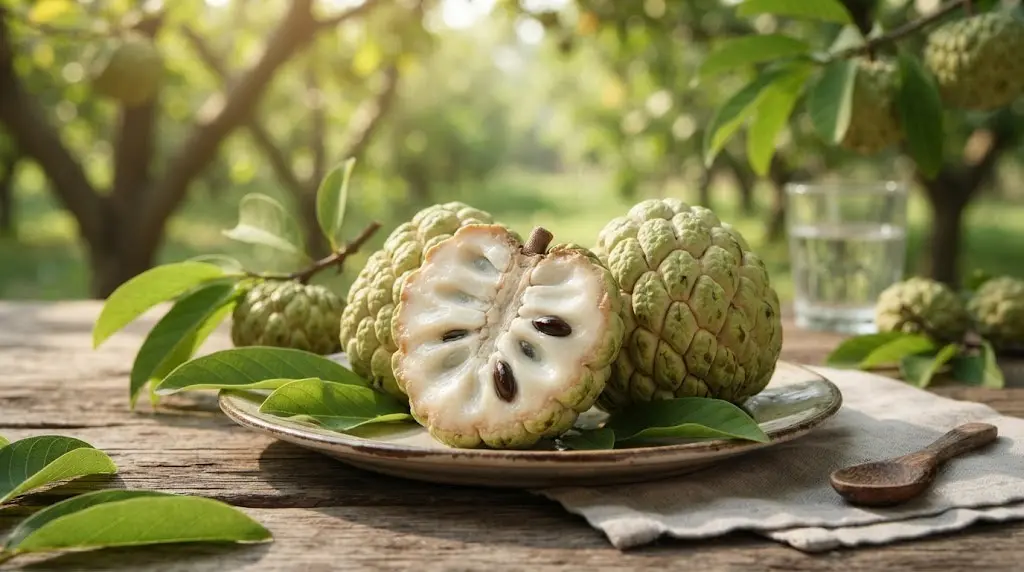
Are you looking for a sweet, creamy fruit that not only satisfies your sweet tooth but also packs a massive nutritional punch? The benefits of custard apple (also known as Annona squamosa, sugar apple, or sitaphal) might just make it your new favorite superfood. While it tastes like a delicious blend of banana, pineapple, and vanilla, this humble tropical fruit is actually a powerhouse of essential vitamins, minerals, and potent antioxidants. From supporting your heart and digestive system to giving your skin a radiant glow, the custard apple is far more than just a tasty dessert alternative.
In recent years, health enthusiasts and nutritionists have increasingly turned their attention to tropical fruits for their functional health benefits. Custard apples have emerged as a top contender, offering a dense nutritional profile that can easily be incorporated into a balanced diet. Whether you eat it raw, blend it into a smoothie, or mix it into your morning oatmeal, the advantages of consuming this fruit are backed by promising research and nutritional data.
Let’s dive deep into the remarkable health benefits of custard apples, explore their nutritional facts, and learn exactly why you should consider adding this incredible fruit to your weekly grocery list.
Custard Apple Nutrition Facts: A Closer Look
Before we explore the specific health outcomes, it is crucial to understand what makes the custard apple so beneficial. Despite its sweet and creamy texture, it is relatively moderate in calories while being incredibly dense in vital nutrients. It is naturally free of cholesterol and extremely low in sodium, making it a heart-friendly choice.
According to nutritional data, a standard 100-gram serving of raw custard apple delivers a fantastic array of complex carbohydrates, dietary fiber, and essential micronutrients. It is particularly noted for its high levels of Vitamin C and Potassium.
| Nutrient | Amount per 100g (Raw) | Primary Benefit |
|---|---|---|
| Calories | 101 kcal | Provides a sustained, natural energy boost. |
| Carbohydrates | 25.2 g | Excellent source of easily digestible complex carbs. |
| Dietary Fiber | 2.4 g | Supports healthy digestion and regular bowel movements. |
| Vitamin C | 19.2 mg (Approx. 21% DV) | Crucial for immune system function and collagen production. |
| Potassium | 382 mg (Approx. 8% DV) | Helps regulate healthy blood pressure and muscle function. |
| Vitamin B6 | 0.22 mg (Approx. 13% DV) | Supports brain health and neurotransmitter creation. |
1. Packed with Powerful Antioxidants
One of the most significant benefits of custard apple is its exceptionally high antioxidant content. Free radicals are unstable molecules in the body that can cause oxidative stress, leading to cellular damage, premature aging, and chronic conditions like heart disease. Therefore, consuming foods rich in antioxidants is vital for long-term health.
Custard apples are loaded with potent antioxidants, including Vitamin C, flavonoids, carotenoids, and phenolic compounds. These compounds actively work to neutralize harmful free radicals. In addition, research suggests that the antioxidants in custard apples can help protect your cells from oxidative stress, thereby strengthening your body’s natural defense mechanisms.
“Natural antioxidants from [Custard Apple], such as ascorbic acid, tocopherols, flavonoids, and phenols, can help to protect cells from oxidative stress and free them from radical damage.” — PMC Clinical Review on Annona squamosa
By regularly enjoying this fruit, you are providing your body with a delicious, natural shield against environmental toxins and daily cellular wear and tear.
2. Promotes a Healthy Heart and Regulates Blood Pressure
Maintaining optimal cardiovascular health is a priority for many, and custard apples can play a surprisingly effective role in supporting your heart. The key lies in the fruit’s impressive mineral profile, specifically its high levels of potassium and magnesium.
Potassium is an essential mineral that acts as a natural vasodilator. It helps to relax the tension in the walls of your blood vessels, which in turn can help lower and regulate blood pressure levels. Furthermore, magnesium aids in maintaining a steady, regular heartbeat and supports overall cardiovascular function.
Because custard apples are also rich in dietary fiber, they can assist in reducing levels of “bad” LDL cholesterol by preventing it from being absorbed in the gut. As a result, including this tropical fruit in your diet provides comprehensive support for a strong and healthy heart.
3. Supports Robust Digestive Health
Your digestive system is the foundation of your overall well-being, influencing everything from nutrient absorption to immune function. Fortunately, the dietary fiber found in custard apples makes them an excellent food for promoting a healthy, thriving gut.
A 100-gram serving of custard apple provides a solid dose of soluble fiber. This fiber adds bulk to your stool, which facilitates smooth passage through the digestive tract and helps prevent issues like constipation. In addition, the soluble fiber acts as a prebiotic, fermenting in the large intestine to feed the beneficial bacteria in your gut microbiome.
A healthy, diverse gut microbiome is crucial for optimal digestion, improved metabolic function, and even better mental health. By eating high-fiber fruits like custard apples, you encourage digestive balance and comfort.
4. Enhances Immune System Function
When cold and flu season approaches, reaching for a custard apple might be just as beneficial as grabbing an orange. This fruit is a fantastic natural source of Vitamin C, a crucial nutrient for maintaining a strong and responsive immune system.
Vitamin C stimulates the production of white blood cells, which are the body’s primary defenders against infections and harmful pathogens. Furthermore, the anti-inflammatory properties of custard apple help protect immune cells from damage while they work to keep you healthy.
Regular consumption of Vitamin C-rich foods ensures that your body is adequately prepared to fight off common illnesses, helping to reduce both the severity and duration of seasonal colds.
5. Rejuvenates Skin and Promotes Collagen Production
The benefits of custard apple extend beyond internal health; they can also give you a noticeable external glow. If you are looking for natural ways to support healthy, youthful skin, the nutrients in this fruit are exactly what you need.
The high Vitamin C content in custard apples plays a vital role in the synthesis of collagen. Collagen is the structural protein responsible for maintaining skin elasticity, firmness, and overall strength. As we age, our natural collagen production declines, leading to wrinkles and sagging skin. By providing the building blocks for collagen, custard apples help keep your skin looking plump and youthful.
Additionally, the antioxidants present in the fruit help combat the free radicals that cause premature skin aging, while its natural hydrating properties keep your skin moisturized and radiant.
6. Supports Brain Health and Mood Regulation
Mental well-being is just as important as physical health, and the nutritional profile of the custard apple offers unique benefits for the brain. Specifically, the fruit is an excellent source of Vitamin B6 (pyridoxine).
Vitamin B6 is essential for the creation of neurotransmitters, including serotonin and dopamine. These are the chemical messengers in the brain responsible for regulating mood, stress, and overall cognitive function. Adequate levels of Vitamin B6 can help improve mood, boost natural energy levels, and enhance brain activity.
Whether you need a mid-day pick-me-up or long-term cognitive support, the B vitamins found in custard apples make them a smart, brain-boosting snack.
7. Is Custard Apple Good for Diabetes?
Because custard apples are naturally sweet and high in carbohydrates, many people wonder if they are safe for individuals managing diabetes. The answer is yes, but moderation is key.
Surprisingly, custard apples have a relatively low Glycemic Index (GI) of 54. Foods with a GI of 55 or less are generally considered low-GI, meaning they digest slowly and cause a gradual, steady rise in blood sugar rather than a rapid spike. Furthermore, the polyphenolic antioxidants and dietary fiber in the fruit help regulate glucose absorption and boost insulin production.
“With a low glycemic index of 54, custard apples promote insulin production and help stabilise blood sugar, making them suitable for persons with diabetes.” — Health Data on Glycemic Index
While individuals with diabetes can absolutely enjoy the health benefits of custard apples, it is important to practice portion control—usually half to one small fruit per day—and consume it after a meal rather than on an empty stomach to maintain stable blood sugar levels. As always, consult with a healthcare provider for personalized dietary advice.
Frequently Asked Questions
Is it safe to eat custard apple every day?
Yes, eating custard apple daily is generally safe and beneficial for most people. It provides an excellent source of daily fiber, vitamins, and antioxidants. However, because it is relatively high in calories and natural sugars, it is best consumed in moderation, especially if you are monitoring your weight or blood sugar levels.
Can diabetics eat custard apple?
Yes, diabetics can eat custard apple in moderation. It has a low Glycemic Index (GI) of 54, meaning it does not cause rapid spikes in blood sugar when eaten in appropriate portions. The fiber content also helps regulate glucose absorption. It is recommended to eat it after meals rather than on an empty stomach.
What are the benefits of custard apple for skin?
Custard apple is highly beneficial for the skin due to its high Vitamin C content, which is essential for collagen production. Collagen helps maintain skin elasticity and reduces the appearance of wrinkles. The antioxidants also fight free radicals that cause premature aging, while the fruit’s natural hydration helps keep skin supple.
Are custard apple seeds toxic?
Yes, the seeds and the skin of the custard apple should be discarded and not eaten. They contain certain toxic compounds that can negatively impact the nervous system if ingested. Always remove the seeds before consuming the fleshy pulp.
Conclusion: Time to Enjoy the Sweet Benefits of Custard Apple
The extensive benefits of custard apple make it clear that this tropical fruit is a true nutritional gem. From its impressive ability to support heart health and regulate blood pressure with potassium, to its skin-rejuvenating Vitamin C and powerful antioxidants, it offers comprehensive wellness advantages. Even better, its low glycemic index and high fiber content make it a surprisingly smart choice for sustained energy and digestive health.
Whether you choose to enjoy the sweet, creamy flesh straight from the skin, toss it into a morning smoothie, or mix it into your yogurt, adding custard apple to your diet is an easy, delicious way to invest in your overall health.
Are you ready to elevate your nutrition? Pick up a custard apple during your next grocery run and experience the incredible health benefits for yourself! If you found this article helpful, be sure to share it with friends and family, and explore our other nutrition guides for more science-backed insights into healthy eating.