

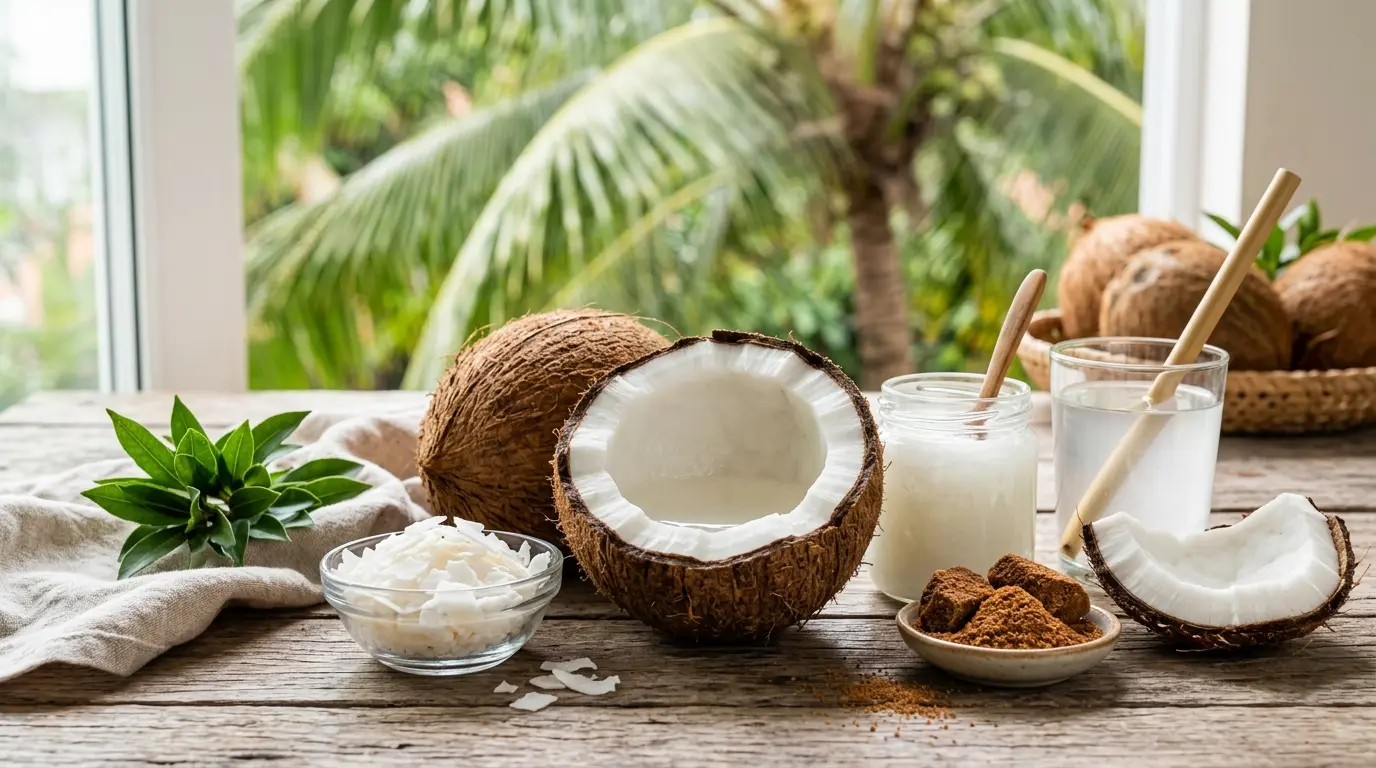
Have you ever wondered why tropical cultures have relied on palm trees for centuries to sustain their health and vitality? The incredible benefits of coconut stretch far beyond its delicious taste and refreshing juice. From the sandy beaches of the South Pacific to the shelves of modern health food stores, this versatile fruit has captured the attention of clinical nutritionists worldwide.
Researchers have discovered that coconuts pack a unique blend of healthy fats, essential minerals, and vital electrolytes. Therefore, adding this nutrient-dense food to your daily diet can profoundly impact your overall wellness. Whether you consume the fresh white meat, the hydrating water, or the rich oil, you are doing your body a massive favor.
In this comprehensive guide, we will explore exactly how coconut products fuel your body at a cellular level. We will dive deep into the latest clinical research so you can make highly informed choices about your nutrition. Let us examine the science-backed reasons why this tropical powerhouse deserves a permanent spot in your kitchen.
The Nutritional Powerhouse: Raw Facts and Data
Before we explore the specific physiological advantages, you need to understand the basic nutritional profile of this fruit. Coconuts are incredibly dense in vital nutrients while providing a highly unique macronutrient breakdown. Unlike most fruits that are predominantly made of carbohydrates, coconuts consist mostly of fats.
However, these are not just any standard fats. They contain specific compounds that your body actively uses for immediate energy. Furthermore, a standard serving of fresh coconut meat provides a fantastic mix of vitamins and trace minerals. For instance, coconuts are exceptionally high in manganese, an essential mineral that regulates bone health and carbohydrate metabolism.
To give you a clearer picture of what you consume, here is a quick breakdown of the nutritional value found in raw coconut meat compared to fresh coconut water.
| Nutrient | Raw Coconut Meat (1 Cup / 80g) | Coconut Water (1 Cup / 240ml) |
|---|---|---|
| Calories | 283 kcal | 44 – 60 kcal |
| Total Fat | 27 g | 0.5 g |
| Carbohydrates | 12.2 g | 10 g |
| Dietary Fiber | 7.2 g | 0 g |
| Potassium | 285 mg | 509 mg (15% DV) |
| Manganese | 60% of Daily Value | Trace amounts |
As you can clearly see, the meat provides dense energy and fiber, while the water serves as a low-calorie hydration source. Consequently, you can tailor your coconut consumption based on your specific health goals.
1. How the Benefits of Coconut Fuel Weight Loss
Many people mistakenly avoid coconut because of its high fat content. However, the exact type of fat found inside this fruit might actually assist your weight loss journey. Around 89% of the fat in coconut meat is saturated, but a massive portion of this consists of medium-chain triglycerides (MCTs).
Your body metabolizes MCTs much differently than the long-chain triglycerides (LCTs) found in animal fats. Instead of slowly digesting them and storing them in your fat cells, your digestive system absorbs MCTs directly. Your blood carries them straight to your liver, where they rapidly convert into usable, immediate energy.
In addition, research indicates that these specific fats can actively boost your metabolic rate. They promote a feeling of deep fullness, which directly prevents overeating throughout the day. A prominent study observed that men who replaced standard dietary fats with MCTs burned significantly more calories daily.
“Studies suggest that the MCTs in this fruit may promote feelings of fullness, calorie burning, and fat burning, all of which may support weight loss and reduce dangerous visceral belly fat.”
Therefore, snacking on a moderate amount of fresh coconut meat can easily satiate your appetite. It completely eliminates the desire to reach for highly processed, sugar-laden snacks between meals.
2. Supreme Hydration and Electrolyte Balance
Athletes and fitness enthusiasts have sworn by the hydrating power of coconut water for years. It stands out as a completely natural, low-sugar alternative to commercially processed sports drinks. Intense physical activity heavily drains your body of crucial electrolytes through sweat.
Fortunately, coconut water boasts an incredibly high concentration of these exact electrolytes. A single cup provides over 500 milligrams of potassium, which easily covers 15% of your recommended daily value. Potassium plays a critical role in maintaining optimal muscle function and actively prevents painful muscle cramps during exercise.
Furthermore, coconut water delivers solid amounts of magnesium and calcium. These minerals keep your bones strong and regulate your overall fluid balance. According to health experts at WebMD, drinking water containing natural electrolytes significantly decreases exercise-induced fatigue.
As a result, keeping a fresh can or bottle of plain coconut water in your gym bag is a fantastic strategy. You will successfully rehydrate your cells without dumping artificial colors or refined syrups into your system.
3. Rich in Dietary Fiber for Digestive Health
Maintaining a healthy gut microbiome requires consistent, daily dietary fiber intake. Surprisingly, one of the most celebrated benefits of coconut is its massive fiber content. A simple one-cup serving of shredded fresh meat offers more than 7 grams of high-quality dietary fiber.
The vast majority of this fiber is entirely insoluble. This means it does not easily break down in your stomach. Instead, it travels intact through your digestive tract, adding bulk to your stool and sweeping waste out of your system. Consequently, eating coconut regularly prevents constipation and promotes exceptionally smooth bowel movements.
In addition, this high fiber density drastically alters how your body processes sugars. Fiber physically slows down carbohydrate absorption in your bloodstream. This prevents the dangerous, rapid spikes in blood glucose levels that often occur after eating sweet fruits.
Therefore, despite its slightly sweet taste, coconut possesses a surprisingly low glycemic index. It functions as an incredibly safe, diabetes-friendly snack that maintains steady energy levels for hours.
4. Antimicrobial Properties and Immune System Support
Your immune system constantly battles foreign pathogens, bacteria, and aggressive viruses. Fortunately, coconut contains rare organic compounds that actively assist this daily fight. The secret lies in a specific fatty acid called lauric acid, which makes up roughly 50% of the fats in a coconut.
When your body digests lauric acid, it transforms it into a powerful substance known as monolaurin. Both lauric acid and monolaurin exhibit incredible antibacterial, antiviral, and antifungal properties in clinical settings. They literally dissolve the protective lipid coatings surrounding harmful bacteria, destroying them completely.
Recent laboratory research published by the National Institutes of Health has demonstrated that these compounds effectively combat severe pathogens. For instance, coconut oil extracts successfully blocked the rapid growth of Staphylococcus aureus, a dangerous bacteria responsible for numerous skin and blood infections.
“The information discussed in clinical reviews explains that coconut oil gets broken down to release lauric acid and monolaurin—known potent anti-microbial agents that help modulate immunity.”
Moreover, coconut oil actively fights against Candida albicans, the primary yeast responsible for thrush and other fungal infections. By incorporating coconut products into your diet, you provide your immune system with a powerful, entirely natural defense mechanism.
5. Brain Health and Enhanced Cognitive Function
Cognitive decline remains a massive health concern for aging populations worldwide. Surprisingly, the unique metabolic properties of coconut might offer protective benefits for your brain. Your brain traditionally relies entirely on glucose for fuel, but aging or disease can impair its ability to utilize this sugar.
This is where the magic of MCTs comes into play once again. When your liver breaks down MCTs from coconut meat or oil, it rapidly produces alternative energy molecules called ketones. Ketones effortlessly cross the highly restrictive blood-brain barrier to supply instant, high-quality fuel to your brain cells.
Scientists heavily research ketones for their potential to slow the progression of memory-related disorders. Some early studies indicate that increasing ketone levels can actively improve memory retention and cognitive function in patients with mild Alzheimer’s disease.
As a result, consuming coconut could theoretically protect your neurological pathways. While scientists require more human trials to confirm these effects completely, adding MCTs to your diet provides an undeniably excellent secondary fuel source for your mind.
6. Heart Health: The Great Cholesterol Debate
Cardiovascular disease remains the leading global health threat today. When discussing the health benefits of coconut, we must carefully address its impact on your heart. Because coconut oil consists predominantly of saturated fat, medical professionals have historically labeled it as dangerous.
However, modern nutritional science paints a much more nuanced picture. Research confirms that consuming coconut meat and unrefined virgin coconut oil significantly raises high-density lipoprotein (HDL) cholesterol. Medical experts refer to HDL as the “good” cholesterol because it actually clears harmful plaque away from your artery walls.
Simultaneously, however, the lauric acid in coconut can also elevate low-density lipoprotein (LDL) cholesterol, which is the “bad” kind. The American Heart Association continues to advise using highly saturated fats in strict moderation to prevent cardiovascular strain.
Therefore, you should not consume massive spoonfuls of pure coconut oil daily. Instead, enjoy whole coconut meat or a splash of coconut milk in your recipes. By eating the entire fruit, you gain the cholesterol-clearing benefits alongside heart-protective dietary fiber.
Simple Ways to Add Coconut to Your Diet
Reaping these incredible health advantages is remarkably simple and highly enjoyable. You do not need to rely solely on eating raw chunks out of a heavy shell every single day. There are countless creative, delicious ways to integrate this potent superfruit into your everyday meals.
Enjoying Fresh Coconut Meat
First, consider adding fresh, shredded coconut meat to your morning routine. You can sprinkle it generously over a warm bowl of oatmeal or a Greek yogurt parfait. It provides a wonderful, nutty texture that entirely eliminates the need for refined white sugar.
Cooking with Coconut Oil
Second, virgin coconut oil features a relatively high smoke point compared to standard butter. This makes it an absolutely fantastic option for sautéing fresh vegetables or baking healthy muffins. Simply replace your usual vegetable oil with a small spoonful of coconut oil for a subtle, tropical flavor upgrade.
Hydrating with Coconut Water
Finally, look for 100% pure, cold-pressed coconut water without any added refined sugars or artificial fruit flavors. You can effortlessly drink a small glass following an intense workout to rapidly replace lost sodium and potassium. It also mixes beautifully with fresh lime juice for a highly refreshing summer mocktail.
Frequently Asked Questions
Is coconut good for daily consumption?
Yes, eating coconut every day is perfectly safe and healthy when consumed in moderation. Because it is highly calorie-dense and rich in saturated fats, you should stick to sensible portion sizes. A small handful of fresh coconut meat or a single glass of coconut water provides excellent daily benefits.
Does coconut lower blood sugar levels?
Coconut can actually help stabilize your blood sugar levels. The meat contains a high volume of dietary fiber and fat, both of which actively slow down the absorption of carbohydrates into your bloodstream. This slow digestion prevents sudden spikes in blood glucose, making it a great food for metabolic health.
Is coconut oil actually healthy for your heart?
The cardiovascular effects of coconut oil are complex. While it actively raises your HDL (good) cholesterol, its high saturated fat content can also raise your LDL (bad) cholesterol. Major health organizations recommend consuming coconut oil in strict moderation as part of a balanced, diverse diet.
Can drinking coconut water improve my skin?
Absolutely. Proper hydration is the foundation of glowing, healthy skin. Because coconut water is packed with hydrating electrolytes and Vitamin C, it helps maintain skin elasticity and fights cellular free radical damage. Its natural antimicrobial properties may also reduce the severity of acne breakouts.
Conclusion: Embrace the Power of Coconut
In conclusion, the expansive health benefits of coconut firmly establish it as a premier nutritional powerhouse. From violently fighting off harmful bacterial infections to keeping your muscles hydrated during exercise, this tropical fruit truly delivers across the board. The clinical research clearly shows that incorporating coconut into your weekly dietary routine is a simple, highly effective way to invest in your long-term vitality.
Are you finally ready to experience these incredible advantages firsthand? Start by grabbing a fresh carton of unsweetened coconut water for your next gym session, or toss some shredded raw coconut into your morning smoothie. Your digestive tract, your immune system, and your taste buds will definitely thank you for making the change. Let us know in the comments below how you plan to add this incredible superfood to your diet!