

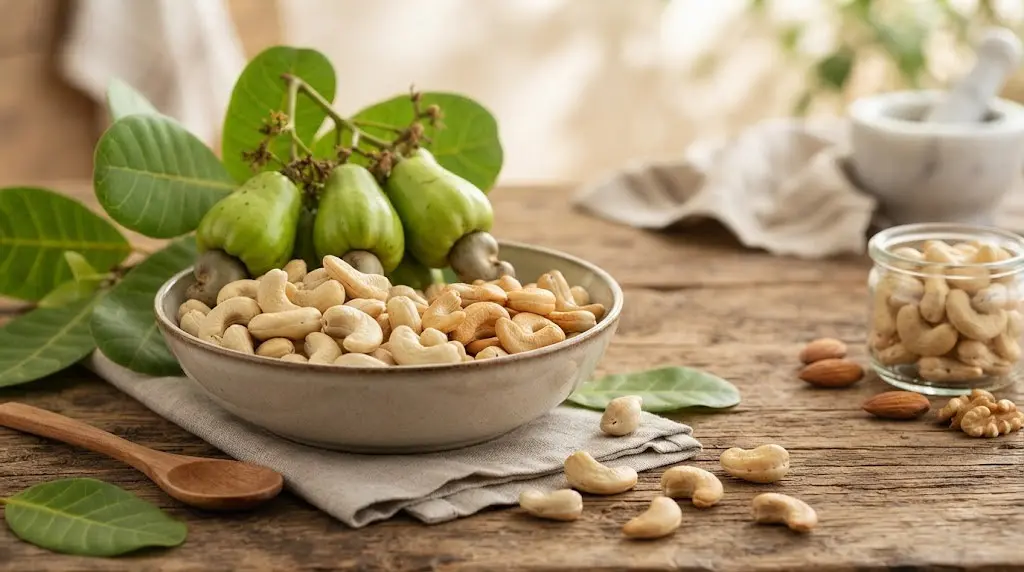
Are you looking for an easy dietary upgrade that yields astonishing longevity rewards? Swapping processed snacks for a handful of nuts is one of the single best choices you can make. When you explore the clinical benefits of cashews, you discover a true superfood packed with essential minerals, healthy fats, and cellular antioxidants. Modern medical research now validates what traditional cultures have known for centuries.
For generations, people prized tree nuts for maintaining steady daily energy and natural vitality. Today, clinical researchers actively study how the specific bio-active compounds in cashew kernels shield human arteries and cells from chronic oxidative stress. Consuming whole cashews regularly supports your cardiovascular system and fosters metabolic balance.
In addition, these buttery seeds help regulate blood sugar levels, improve bone density, and protect aging eye tissue. If you want to elevate your daily routine with nutrient-dense foods, keep reading to discover what clinical science reveals about cashews.
The Nutrient Profile: What Makes Cashews a True Superfood?
To understand why tree nuts deliver such powerful physical rewards, we must analyze their rich nutritional makeup. A single standard serving equals one ounce, or roughly 18 whole cashew kernels. Surprisingly, this small handful supplies a dense concentration of essential micronutrients and heart-protective fats.
Specifically, one ounce of whole raw cashews delivers 157 calories, 5.2 grams of plant-based protein, and nearly 1 gram of dietary fiber. Furthermore, cashews supply 12.4 grams of total fat, which is dominated by unsaturated monounsaturated fatty acids. They also rank among the richest plant-based food sources of essential copper and magnesium.
Additionally, cashews contain significant amounts of zinc, iron, phosphorus, and protective carotenoid antioxidants. The table below compares the nutritional values of cashews against other popular tree nuts per 28-gram serving based on official U.S. Department of Agriculture (USDA) data.
| Nut Variety (28g / 1 oz) | Calories | Protein (g) | Monounsaturated Fat (g) | Copper (% DV) | Magnesium (% DV) |
|---|---|---|---|---|---|
| Raw Cashews | 157 | 5.2 | 6.8 | 70% | 20% |
| Whole Almonds | 164 | 6.0 | 8.8 | 30% | 18% |
| English Walnuts | 185 | 4.3 | 2.5 | 50% | 11% |
| Pistachios | 159 | 5.7 | 6.7 | 41% | 8% |
As demonstrated in clinical datasets compiled by the Harvard T.H. Chan School of Public Health, cashews outshine competitors in trace mineral concentration, particularly copper and zinc.
6 Proven Health Benefits of Cashews Backed by Science
Scientific interest in cashew consumption has expanded rapidly over the past two decades. Dozens of controlled feeding trials highlight how daily cashew intake improves key markers of metabolic longevity. Here are six evidence-based health benefits of cashews confirmed by modern clinical trials.
1. Strengthens Heart Health and Supports Blood Pressure Control
Cardiovascular disease remains the leading cause of health complications worldwide. Fortunately, replacing refined carbohydrate snacks with unsaturated tree nuts creates significant heart-protective outcomes. Cashews contain oleic acid, the same monounsaturated fat found in extra virgin olive oil.
This monounsaturated fatty acid profile lowers bad cholesterol ratios while keeping beneficial HDL levels intact. Monounsaturated fats keep arterial walls flexible and reduce systemic inflammation across vascular tissue. Consequently, your overall circulatory health improves over time.
“In a 12-week randomized controlled trial, adults with type 2 diabetes consuming 30 grams of cashews daily experienced a 4.9 mmHg reduction in systolic blood pressure alongside significant increases in plasma HDL cholesterol levels.” — Findings published in PubMed Central Clinical Archives
Furthermore, the high magnesium content in cashews helps relax smooth vascular muscles. Therefore, regular snacking directly assists in maintaining healthy blood pressure levels throughout the body.
2. Improves Blood Sugar Management and Insulin Sensitivity
Managing post-meal blood glucose is crucial for preventing metabolic syndrome and type 2 diabetes. Cashews offer a very low glycemic index structure that prevents sudden glucose spikes after eating. Replacing processed carbs with cashews slows down gastric emptying.
Specifically, the combination of plant protein, dietary fiber, and healthy fat delays digestion. As a result, glucose enters the bloodstream gradually rather than rushing in all at once. Moreover, magnesium serves as a key cofactor for cellular glucose transport receptors.
In fact, clinical trials demonstrate that diabetic patients incorporating cashews into controlled diets exhibit notable drops in fasting insulin levels. Therefore, adding a portion of cashews to meals serves as a practical glycemic strategy.
3. Essential Mineral Powerhouse for Bone Strength and Collagen Synthesis
Maintaining strong bones requires much more than calcium alone. Trace minerals like copper and magnesium form the structural framework for healthy skeletal tissue. Unlocking the orthopedic benefits of cashews starts with their unmatched mineral density.
A single ounce of cashews delivers roughly 70 percent of your recommended daily copper intake. Copper activates lysyl oxidase, an essential enzyme that cross-links collagen and elastin in skin, joints, and bones. Without adequate copper, body tissues cannot repair or synthesize structural matrices effectively.
Additionally, magnesium works alongside calcium to build bone mineral density over time. Regular intake helps prevent bone loss and reduces structural frailty as you age.
4. Supports Satiety, Weight Control, and Healthy Metabolism
Many people mistakenly avoid tree nuts because of their calorie density. However, clinical evidence shows that eating cashews regularly supports healthy body weight management. The protein and healthy fat working together promote strong feelings of fullness.
When you eat cashews as an afternoon snack, you naturally lower your intake during later meals. In addition, human digestive systems do not absorb every single calorie listed on nut labels. The rigid cellular walls of cashew kernels trap a portion of internal lipids during transit.
“Epidemiological data shows that frequent nut consumers consistently maintain lower long-term body weights than non-nut eaters. The combination of protein, dietary fiber, and unsaturated fats promotes intense gut-satiety hormone release.” — Insights from Dietary Research Reviews
Thus, snacking on cashews replaces empty calories with dense cellular nutrition. It offers an efficient way to manage daily appetite while keeping energy levels stable.
5. Protects Eye Vision with Antioxidant Lutein and Zeaxanthin
Your eyes face constant oxidative stress from sunlight, artificial screens, and metabolic byproducts. Cashews contain meaningful amounts of lutein and zeaxanthin, two powerful carotenoid antioxidants. These compounds accumulate directly in the macular region of the human retina.
Once deposited in eye tissue, lutein and zeaxanthin act as internal light filters. They absorb harmful blue light rays and neutralize free radicals before damage occurs inside delicate optical cells. Consequently, regular consumption helps guard against age-related macular degeneration.
In addition, the high antioxidant profile prevents lipid oxidation within eye membranes. Choosing mineral-dense cashews keeps your eyes functioning clearly across decades.
6. Boosts Immune Function and Cellular Repair
A strong immune response relies heavily on essential micronutrients like zinc and copper. Cashews provide roughly 15 percent of your daily zinc needs alongside 70 percent of your daily copper target. These minerals trigger the production and maturation of vital immune cells.
Specifically, zinc drives T-lymphocyte development, which identifies and neutralizes pathogen invaders. Copper plays a mandatory role in generating white blood cells and maintaining cellular antioxidant enzymes like superoxide dismutase. Without these minerals, immune responses become sluggish.
Consequently, incorporating whole cashews into your daily menu strengthens your natural defenses. It keeps your cellular machinery prepared to tackle external physical stressors.
How to Incorporate Cashews into Your Daily Routine
Adding cashews to your lifestyle is quick, simple, and versatile. However, how you select and prepare them influences total nutrient bioavailability and gut comfort.
Raw and dry-roasted cashews feature nearly identical macronutrient values. However, choose unsalted varieties whenever possible to avoid excess sodium consumption. Excessive sodium counteracts the natural blood pressure benefits provided by cashew magnesium.
Additionally, some individuals prefer soaking raw cashews in warm water for two hours before eating. Soaking softens the firm kernel and reduces natural phytic acid levels. As a result, soaked cashews prove easier to digest for sensitive stomachs.
Here are several enjoyable ways to experience the culinary benefits of cashews every single day:
- Creamy Plant-Based Sauces: Blend soaked raw cashews with garlic, nutritional yeast, and water for a dairy-free pasta sauce.
- Energizing Trail Mix: Pair dry-roasted cashews with dark chocolate chunks and pumpkin seeds for a balanced snack.
- Morning Oatmeal Garnish: Sprinkle chopped raw cashews over hot oatmeal or chia pudding for extra crunch and healthy fats.
- Savory Stir-Fry Boost: Toss whole cashews into vegetable stir-fries during the last two minutes of cooking for rich flavor.
Frequently Asked Questions
How many cashews should I eat per day for health benefits?
Dietitians and clinical researchers recommend eating one ounce per day. This portion equals roughly 18 whole cashew kernels or 28 grams. This serving size delivers maximum mineral benefits without excess calorie intake.
Do cashews cause weight gain due to their calorie count?
No, clinical studies show that eating cashews in moderation does not cause weight gain. The high protein, fiber, and unsaturated fat content boost satiety, helping you consume fewer total calories throughout the day.
Are raw cashews better for you than roasted cashews?
Both raw and dry-roasted cashews offer excellent nutritional profiles. Raw cashews retain slightly higher levels of heat-sensitive B vitamins. However, dry-roasted cashews are equally healthy provided they contain no added sugars or vegetable oils.
Can people with type 2 diabetes safely eat cashews?
Yes, cashews represent an ideal snack for individuals managing diabetes. Their low glycemic index, healthy unsaturated fats, and high magnesium content help stabilize post-meal glucose and improve insulin sensitivity.
What happens if you eat cashews every day?
Eating cashews daily provides a steady supply of copper, magnesium, and healthy monounsaturated fats. Regular consumption supports healthy arterial function, lowers blood pressure, enhances immune cell activity, and improves digestion.
Conclusion: Embrace the Daily Benefits of Cashews
In conclusion, incorporating whole tree nuts into your daily menu offers remarkable health rewards. The comprehensive benefits of cashews range from lowering blood pressure and strengthening bone collagen to protecting eye health from light damage. Packed with copper, magnesium, and monounsaturated fats, this delicious nut functions as a natural powerhouse.
While sugary energy snacks cause blood sugar crashes, whole cashews fuel steady physical vitality. Making a conscious decision to replace refined food with nutrient-dense seeds pays lifelong dividends for your heart, mind, and metabolic health.
Are you ready to optimize your everyday wellness routine? Grab a handful of raw unsalted cashews today or blend them into your favorite smoothie recipe. Take control of your daily health and feel the difference whole superfoods make right now!